![You are currently viewing How to Train Your Dog to Come When Called: 7 Proven Techniques That Work [2024 Guide]](https://dogtoysandaccessories.com/wp-content/uploads/2024/10/Dog-running-towards-owner-in-a-park-after-being-called.webp)
Imagine your dog running to you, tail wagging, when you call. This moment shows a strong bond between you and your dog. It’s important for safety and companionship.
Teaching your dog to come when called is rewarding. It makes your relationship stronger. Your dog will feel safe and connected to you.
Many dog owners find this training hard. They might feel lost or unsure where to start. But with the right help, it can be easier than you think.
Start training early, around eight weeks. This helps your dog become safe and well-behaved. A dog that comes when called is safer and makes outings better. So, let’s explore how to teach your dog to come when called.
Key Takeaways
- Training recall provides lasting benefits for safety and obedience.
- Building a strong recall with your dog fosters a deeper bond.
- Starting training early is essential for success.
- Consistency in commands and positive reinforcement is key.
- Expect setbacks and involve patience during the training process.
Introduction to Dog Recall Training
Teaching your dog to come when called is key to a safe and fun relationship. It means you can count on them 99% of the time. This skill is crucial in emergencies, making recall training very important. To get your dog to listen, you need to make the environment appealing and fight off distractions.
Linking the recall cue to good experiences is essential. For example, rewarding your dog for looking at you can make them more likely to respond to their name. Using treats like chicken or cheese can make positive reinforcement even more effective. It’s good to practice recall every day, making it harder and adding distractions to improve your dog’s reliability.
Also, avoid using the recall cue too much, as it can become a “poisoned cue” and make your dog ignore it. Always stay positive during training. Don’t punish your dog for slow responses; instead, praise them for trying.
Adding play, like tug-of-war or using exciting toys, can make recall training fun and effective. Keep training sessions short and fun, even for puppies, to keep them interested. By following these tips, you can build a strong foundation for successful dog recall training.

Understanding the Importance of Reliable Recall
A reliable recall is key for dog owners. It means your dog will come when called. This is crucial for safety and can save lives in emergencies. Studies show that about 50% of the time, dogs don’t come when called during training.
Dogs may take 4 to 7 seconds to respond, which can be risky. Many dogs are slow or medium in responding, which is not ideal in urgent situations. This shows the need for good training to improve recall.
Choosing the right command is important for training. Positive reinforcement works better than shock collars. Using commands like “come,” “here,” or “hurry” helps dogs associate recall with positive things. Adding high-value rewards makes training more fun and effective.
Reliable recall training is very important. The “Come” command works about 98% of the time when the dog is close. This shows that training in short distances and low-distraction areas helps. Avoiding negative training helps improve recall.
Starting this journey requires dedication to consistent training. This dedication not only trains your dog but also strengthens your bond. It shows how crucial reliable recall is for your safety and your dog’s.
How to Train a Dog to Come When Called
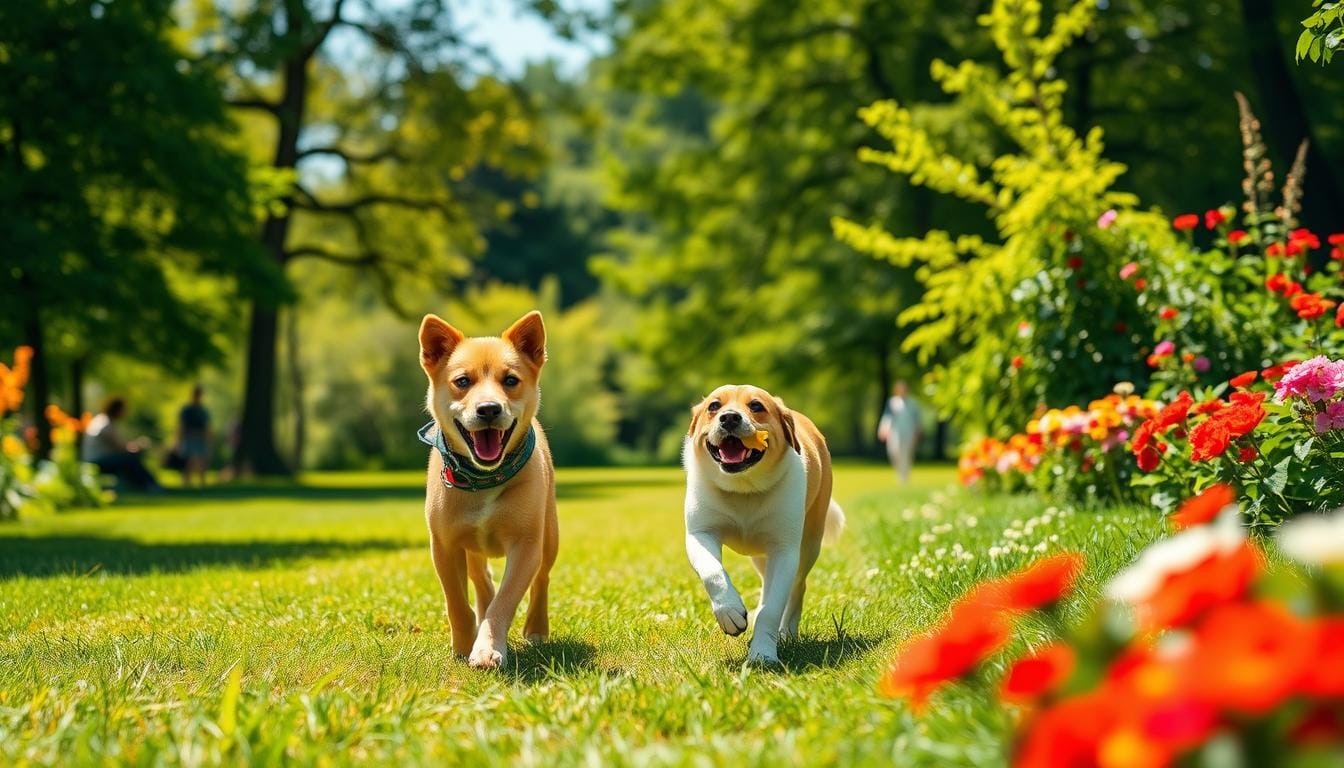
Teaching your dog to come when called is crucial. Start with a solid foundation before deep training. Use consistent methods and positive associations to teach your dog. Practice in quiet places with clear commands and rewards.
Setting the Foundation for Training
Building a strong recall training foundation takes patience and daily effort. Spend 15 to 20 minutes daily on the “come” command. This can lead to reliable recall in one to two months.
Begin in a quiet area with a long lead and treats. These motivate your pet. Connect the command with rewards by clicking and treating when your dog responds correctly. Adjust rewards over time to encourage independence.
Choosing the Right Command
Picking a consistent verbal cue is key. The command should be simple and clear, recognisable in all situations. Professional trainers stress the need for clear and consistent commands.
Practice in a quiet area before adding distractions. As your dog gets better, increase the distance. Start with 10 feet for puppies and 20 feet for adult dogs.
Training Techniques for Effective Dog Recall
Teaching your dog to come back when called is key. Using positive reinforcement for dog recall is a top strategy. It makes coming when called a fun experience for your dog.
Positive Reinforcement for Dog Recall
It’s important to reward your dog right away when they come back. Use a clear recall cue like ‘come’ or ‘here’ and add a visual cue for better understanding. Speak in a happy, excited voice and use inviting body language to get a positive response.
Teaching your dog to respond to their name before recall training helps a lot. It makes communication better, even in busy places.
Using High-Value Treats
High-value treats are crucial in effective ways to train your dog to come. Find out what your dog loves, like food or toys, and use treats like cheese or chicken to get their attention. Change the rewards sometimes to keep your dog interested in training.
Try games like the ping pong recall game or the back away recall game. These games make coming back fun and exciting. They help make your dog’s recall response strong.
| Training Technique | Description | Key Benefits |
|---|---|---|
| Positive Reinforcement | Use appealing treats to motivate your dog. | Strengthens the recall response through positive associations. |
| High-Value Treats | Using appealing treats to motivate your dog. | Improves focus even in distracting environments. |
| Engaging Games | Incorporating fun activities to encourage recall. | Enhances the recall training experience and binds the owner-dog relationship. |
Creating a Distraction-Free Training Environment
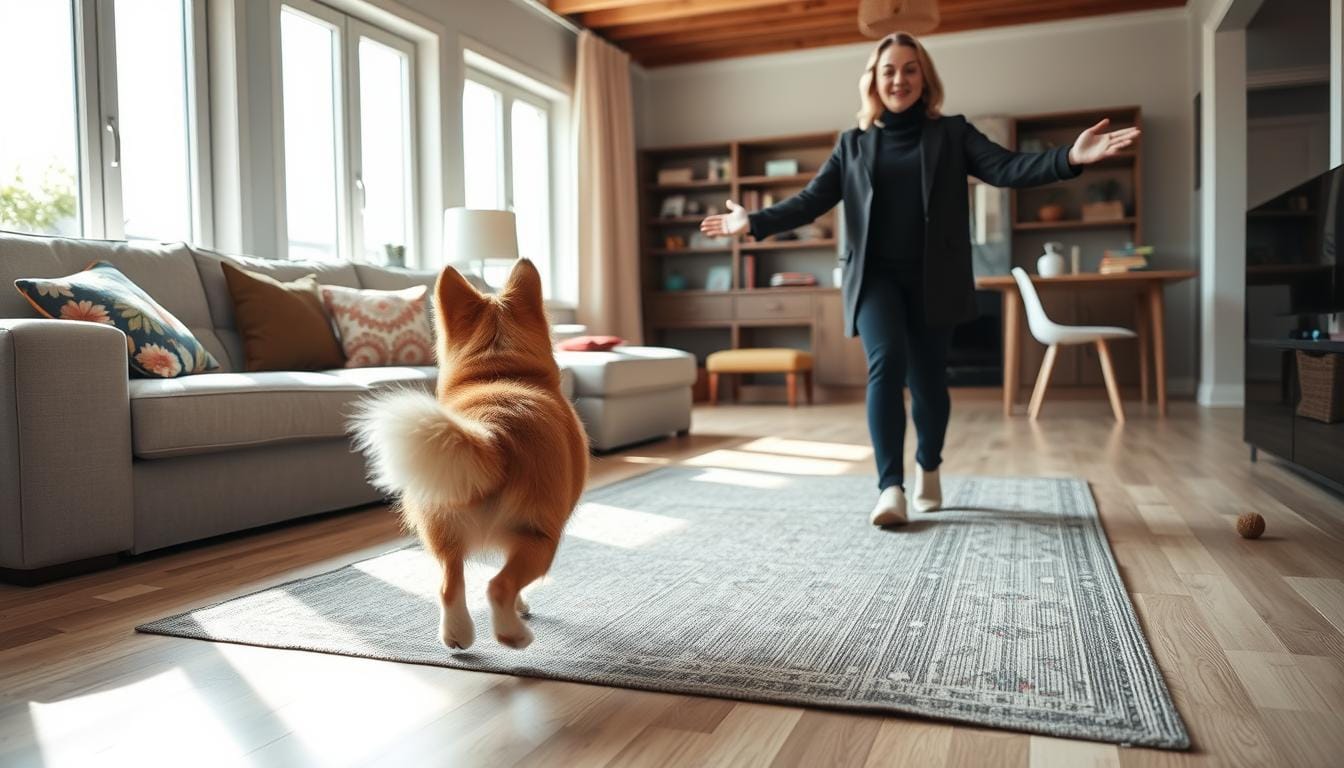
Creating a space without distractions is key to recall training. Start with indoor exercises to keep your dog’s focus on you. This quiet area helps build a strong bond and keeps your dog engaged.
Starting Indoors
Begin training in a safe indoor spot. This lets your dog learn the recall command without outside distractions. Use treats or toys to make the command rewarding and keep your dog motivated.
Gradually Introducing Distractions
When your dog recalls well indoors, move to outdoor training. Start with less busy places and add more distractions slowly. Reward your dog for ignoring distractions and focusing on you.
Practice in different places to improve your dog’s distraction management. This builds confidence and a strong recall. The right balance of distractions and rewards is crucial for success.
Recall Training Exercises
Recall training is key to teaching your dog to come when called. Games that make training fun strengthen your bond with your pet. They make recall training a positive experience.
Catch Me Game
The Catch Me game is a fun way to teach your dog to come when called. Start by running around and calling your dog with excitement. When they reach you, give them treats or praise.
This game is a great way to make recall training enjoyable. It’s a key part of successful recall training.
Find Me Exercise
In the Find Me exercise, you hide and call your dog to find you. This game makes recall training fun and teaches your dog to listen from anywhere. When they find you, give them lots of love and a treat.
This game boosts their curiosity and listening skills. It’s a great way to practice recall.
Hot Potato Recall Game
The Hot Potato Recall game is great for multiple dogs or family members. You pass a treat or toy around while calling your dog’s name. This game is exciting and teaches dogs to respond in a busy setting.
Using high-value treats makes the recall command positive. It works even when there are distractions.
Building a Strong Recall with Your Dog
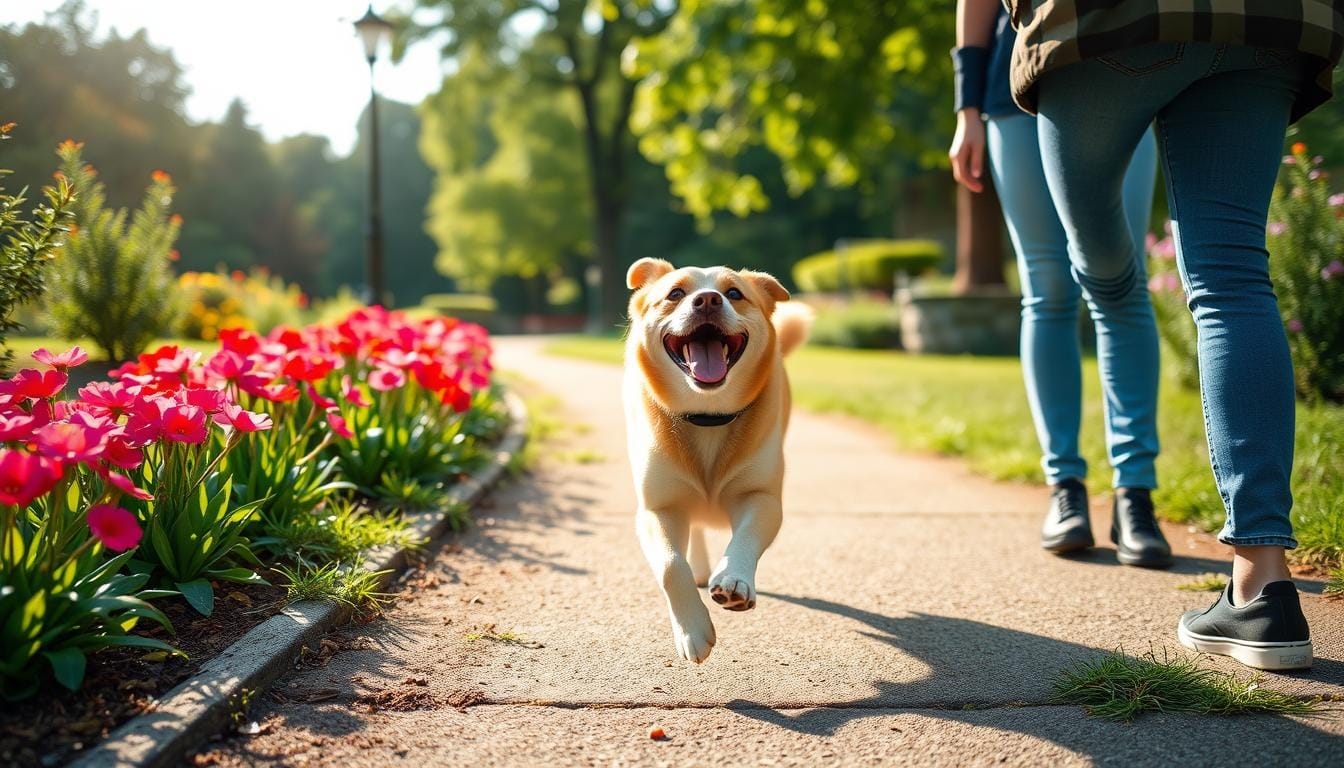
Improving your dog’s recall takes time and effort. It’s not something you can do overnight. It needs patience and dedication from you, the dog owner. It can take weeks or even months of regular practice to see good results.
Make recall drills a part of your daily routine. This makes it more exciting for your dog. Use high-value rewards and different places to keep things interesting in 2021. Keep training sessions short, around five to ten minutes, to keep your dog focused.
A good recall keeps your dog safe and strengthens your bond. It makes your relationship with your dog better, building trust and teamwork. Try adding games like fetch and hide ‘n’ seek to your training. These games make learning fun and help your dog remember the recall command.
To improve your dog’s recall, remember these important points:
- Use a clear and consistent recall command.
- Reward your dog each time they respond correctly.
- Expose your dog gradually to distractions.
- Utilise a whistle for consistent recall in noisy environments.
- Engage in regular practice with unpredictable elements.
Common Challenges in Dog Recall Training
Training your dog to come when called can be rewarding, but it comes with challenges. It’s important to understand why your dog might not listen. Dogs may ignore commands because of distractions or not understanding the context.
In controlled training, dogs may do well but ignore commands in real life. This makes training less effective. Factors like not understanding animal behaviour and not recognising instincts can also cause problems.
Why Your Dog Won’t Come When Called
There are several reasons dogs might not come when called. Calling a dog when unsure can weaken the recall cue. Trainers may also misinterpret their dog’s behaviour, leading to negative associations with recall commands.
This can damage your relationship with your pet. It’s crucial to respect and understand dog behaviour. Inconsistently reinforcing recalls can also make the behaviour worse. It’s important to practice recall in different places.
Fixing Dog Recall Problems
To fix dog recall problems, use positive reinforcement techniques. Studies show these methods work better than punishment. Giving immediate rewards, like high-value treats, can help create positive associations with coming when called.
Adding fun games to recall training can also improve responsiveness and strengthen your bond with your dog. By using these strategies and practising in various environments, you can overcome the challenges of dog recall training.
🐕 Want Your Dog to Come When Called—Every Single Time?

If recall training feels frustrating or inconsistent, you’re not alone. The problem isn’t your dog—it’s the method.
🧠 Why Dog Owners Love Brain Training For Dogs:
- ✅ Scientifically proven brain-based training games that boost focus & obedience
- ✅ Created by a CPDT-KA certified professional dog trainer
- ✅ Step-by-step recall training that works even with stubborn or distracted dogs
- ✅ Positive, force-free methods (no shouting, no punishment)
- ✅ Works for puppies & adult dogs of all breeds
✨ This program teaches your dog to want to come to you—reliably, happily, and fast.
👉 Click here to access Brain Training For Dogs and turn recall into your dog’s strongest skill
Risk-free with a money-back guarantee
FAQ
What is the best age to start recall training with my dog?
The best time to start recall training is between 8 and 12 weeks. Early training lays a solid foundation. But remember to stay consistent and patient throughout the training journey.
How can I make my dog come when called every time?
To ensure your dog comes every time, use a consistent recall command. Make sure the command is positive by rewarding them. Practice in different places to keep them on their toes.
What are effective ways to train my dog to come when called?
Effective training includes positive reinforcement and high-value treats. Use games to make recall training fun. Start with simple distractions and add more as your dog gets better.
Why won’t my dog come when called?
Poor recall can be due to distractions, inconsistent training, or negative associations. Understanding these reasons helps you improve recall.
What should I do if my dog has recall problems?
If your dog struggles with recall, review your training. Try to reduce distractions. Use positive reinforcement and slowly increase training difficulty.
How do I build a strong recall with my dog?
A strong recall comes from consistent practice and rewarding your dog. Use engaging exercises and gradually add distractions to make training more challenging.
What is positive reinforcement for dog recall?
Positive reinforcement for recall means rewarding your dog with treats, praise, or playtime. This encourages them to respond to the recall command.
What are some recall training exercises I can do with my dog?
Fun recall exercises include “Catch Me,” “Find Me,” and “Hot Potato.” These games make training enjoyable and strengthen your bond with your dog.
How can I create a distraction-free training environment?
Begin training indoors to avoid distractions. As your dog’s recall improves, move to outdoor areas with controlled distractions.