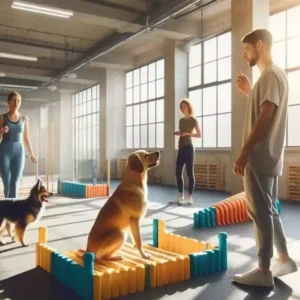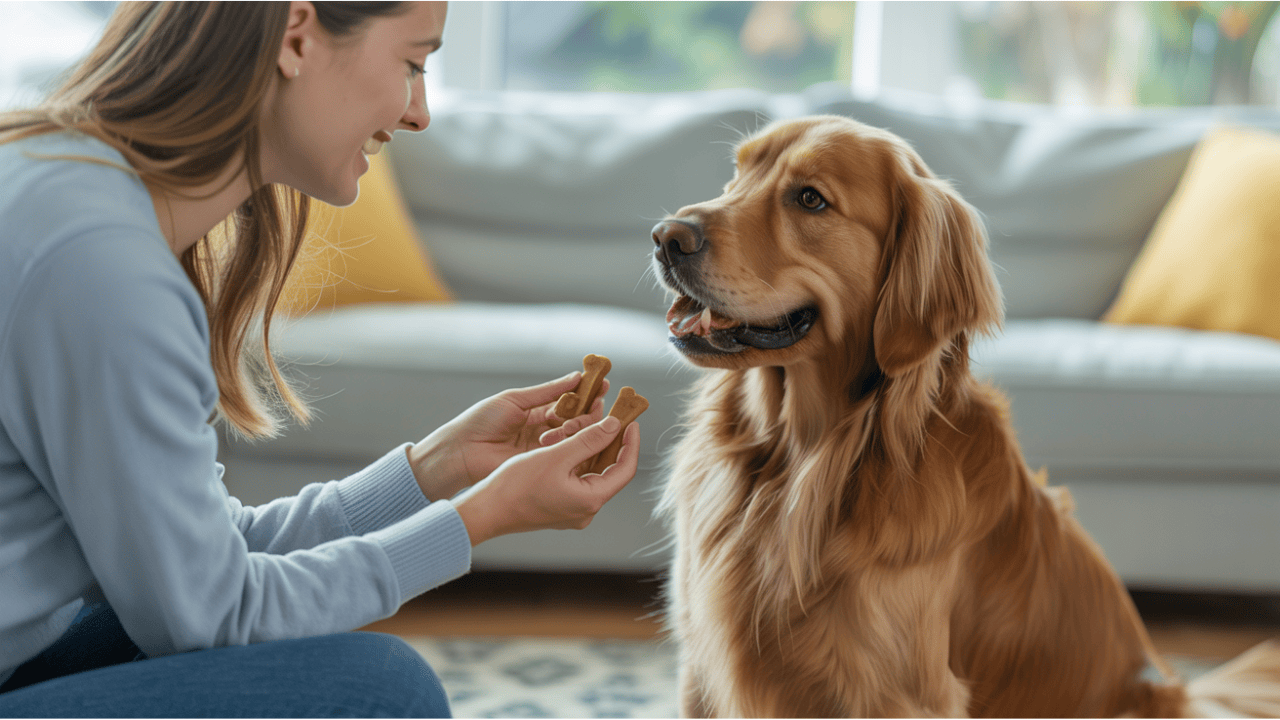
Nearly 75% of dog owners face behavioural issues in their pets. This is because of bad training methods. It shows we need effective and humane ways to train dogs.
Reward-based training is a great, budget-friendly choice. It encourages good behaviour instead of punishing bad behaviour. This method helps you bond with your pet and solve behavioural problems.
Key Takeaways
- Reward-based training is an effective and humane approach.
- Budget-friendly methods are available for dog training.
- Positive reinforcement strengthens the bond between you and your pet.
- Avoiding shock collars is crucial for your pet’s well-being.
- Effective training methods can address behavioural issues.
The Science of Positive Dog Training
Positive dog training methods are backed by science. They use positive reinforcement, a key learning process. This process rewards good behaviour and avoids punishment.
How Dogs Learn: Understanding Operant Conditioning
Dogs learn through operant conditioning. They connect their actions with rewards, like treats or praise. This idea was first explored by B.F. Skinner. He showed that positive outcomes encourage dogs to repeat behaviours.
Why Positive Reinforcement Creates Lasting Results
Positive reinforcement rewards good behaviour, not bad. This makes training fun for dogs and leads to better results. By always rewarding good actions, dogs learn to do them more often.
The Psychological Benefits for Your Dog
Positive reinforcement training is good for your dog’s mind. It lowers stress and anxiety from punishment. It also strengthens your bond, based on trust and respect.
Why Aversive Methods Fail in the Long Run
Aversive training methods, like shock collars, don’t work well over time. Their downsides are much bigger than any quick wins.
The Hidden Damage of Shock Collars and Punishment
Using shock collars and other aversive techniques can really hurt a dog’s mind. Research shows these methods can make dogs more scared, anxious, and even aggressive. This can ruin the relationship between dog and owner.
Fear-Based Compliance vs. Willing Cooperation
Aversive methods might get a dog to do what you want in the short term. But they don’t build a strong, willing partnership. Dogs trained with positive reinforcement are more likely to listen and stay close to their owners. As one expert says,
“Positive reinforcement training is not just about getting the dog to obey; it’s about building a relationship based on trust and respect.”
Research-Backed Evidence Against Aversive Training
Many studies have shown the bad effects of aversive training. They’ve found it can make dogs less happy and more stressed. But positive reinforcement training leads to better behaviour and a stronger bond between dog and owner.
Choosing positive, reward-based training can make your dog’s training better and more enjoyable for both of you.
Getting Started: Essential Tools That Won’t Break the Bank
Dog training on a budget is not only possible but also highly effective. You can start training your dog without breaking the bank by using the right tools and techniques.
High-Value Treats on a Budget: What Works Best
High-value treats are key for motivating your dog during training. Instead of buying expensive treats, try using cooked chicken, carrots, or green beans. These are not only cheap but also good for your dog’s health.
DIY Clickers and Verbal Markers That Cost Nothing
You don’t need to buy a clicker to start clicker training. A simple “click” or “yes” can work as a verbal marker. Or, you can make a DIY clicker with a pen or a metal washer on a ring.
Affordable Leashes, Harnesses, and Training Aids
For leashes and harnesses, there are many affordable choices. Look for durable materials and adjustable sizes for a comfortable fit for your dog.
| Training Tool | Budget-Friendly Option | Cost |
|---|---|---|
| High-Value Treats | Carrots, Green Beans | $0 – $5 |
| Clicker | DIY Clicker | $0 |
| Leash/Harness | Adjustable Nylon Leash/Harness | $10 – $20 |
By using these budget-friendly tools and techniques, you can train your dog without spending too much. Remember, the key to successful dog training is being consistent, patient, and using positive reinforcement.
Mastering Clicker Training Fundamentals

Clicker training is a precise way to talk to your dog. It uses operant conditioning. This means a “click” sound marks when your dog does what you want.
Charging the Clicker: A Step-by-Step Guide
To begin clicker training, you must “charge” the clicker. This means linking the sound to a reward. Start by clicking and then giving a treat right away. Do this a few times until your dog connects the sound with the treat.
Perfect Your Timing for Maximum Effectiveness
Timing is key in clicker training. The click must happen right when your dog does what you want. This helps your dog know what action is rewarded. Keep practising to get better at timing.
Transitioning Between Clicker and Verbal Markers
When your dog gets better, you can switch to verbal markers. Verbal markers like “yes” or “good” do the same job as the clicker but are easier to use in some situations. Start by using both the clicker and verbal marker, then use just the verbal marker.
| Training Stage | Marker Used | Reward Type |
|---|---|---|
| Initial Training | Clicker | Treats |
| Advanced Training | Verbal Marker | Variable Rewards |
| Maintenance | Occasional Clicker | Praise and Play |
Positive Dog Training Methods That Actually Work
Effective dog training isn’t about being the boss. It’s about building a bond with your furry friend through positive reinforcement. Positive dog training methods are popular for their effectiveness and humane approach.
Lure and Reward: Guiding Your Dog to Success
The “lure and reward” method uses treats or toys to guide your dog into the right behaviour. This is then rewarded. It’s great for teaching basic commands like “sit,” “stay,” and “come.”
By linking the command with a positive outcome, your dog learns to respond eagerly. This makes training fun and rewarding for both you and your dog.
Capturing Natural Behaviours: Timing Is Everything
Capturing natural behaviours rewards your dog the moment they do something good. It needs precise timing to work well. For example, to teach “lie down,” reward your dog the instant they lie down.
This creates a strong link between the action and the reward. It’s a powerful way to teach your dog new things.
Shaping Complex Behaviours Through Successive Approximation
Shaping complex behaviours is a more advanced technique. It builds a complex behaviour step by step. You start by rewarding any behaviour that looks like what you want.
Then, you gradually make the behaviour more specific for a reward. It’s a fun and effective way to teach your dog.
Using Shaping to Teach “Place” Command
To teach the “place” command, start by rewarding your dog for being near their bed or mat. Then, only reward them for stepping onto the mat. Next, reward them for standing on it, and finally for lying down.
This step-by-step approach makes learning fun and engaging. It helps your dog understand the command without feeling punished.
By using these positive dog training methods, you can see great results. Whether it’s basic obedience or complex behaviours, remember to be patient, consistent, and positive.
Teaching Essential Commands Without Intimidation

Positive reinforcement makes teaching your dog vital commands easy and fun. It’s key to a well-behaved dog and a strong bond with your pet.
Building a Reliable Recall: Making “Come” Their Favourite Word
Recall is a vital command for your dog’s safety and your bond. Start by using a happy, upbeat tone when calling your dog. Reward them with treats and praise when they respond.
- Begin in a quiet area with minimal distractions.
- Use a consistent recall word, such as “come” or “here.”
- Gradually increase the distance and distractions.
Teaching “Leave It” and “Drop It” to Prevent Dangers
“Leave it” and “drop it” stop unwanted behaviours like picking up trash. To teach “leave it,” place a treat in front of your dog and encourage them to ignore it.
For “drop it,” offer a trade: a treat for the item they’re holding.
Leash Walking Without Pulling: A Positive Approach
Leash walking can be enjoyable with the right training. To avoid pulling, stop moving forward when your dog pulls. When they return to your side, continue walking.
Troubleshooting Leash Reactivity Positively
If your dog is reactive on the leash, start by reducing exposure to triggers. Gradually increase exposure while rewarding calm behaviour.
By using positive reinforcement, you can teach your dog essential commands without fear. This strengthens your bond and ensures their safety and good behaviour.
Solving Problem Behaviours Without Punishment
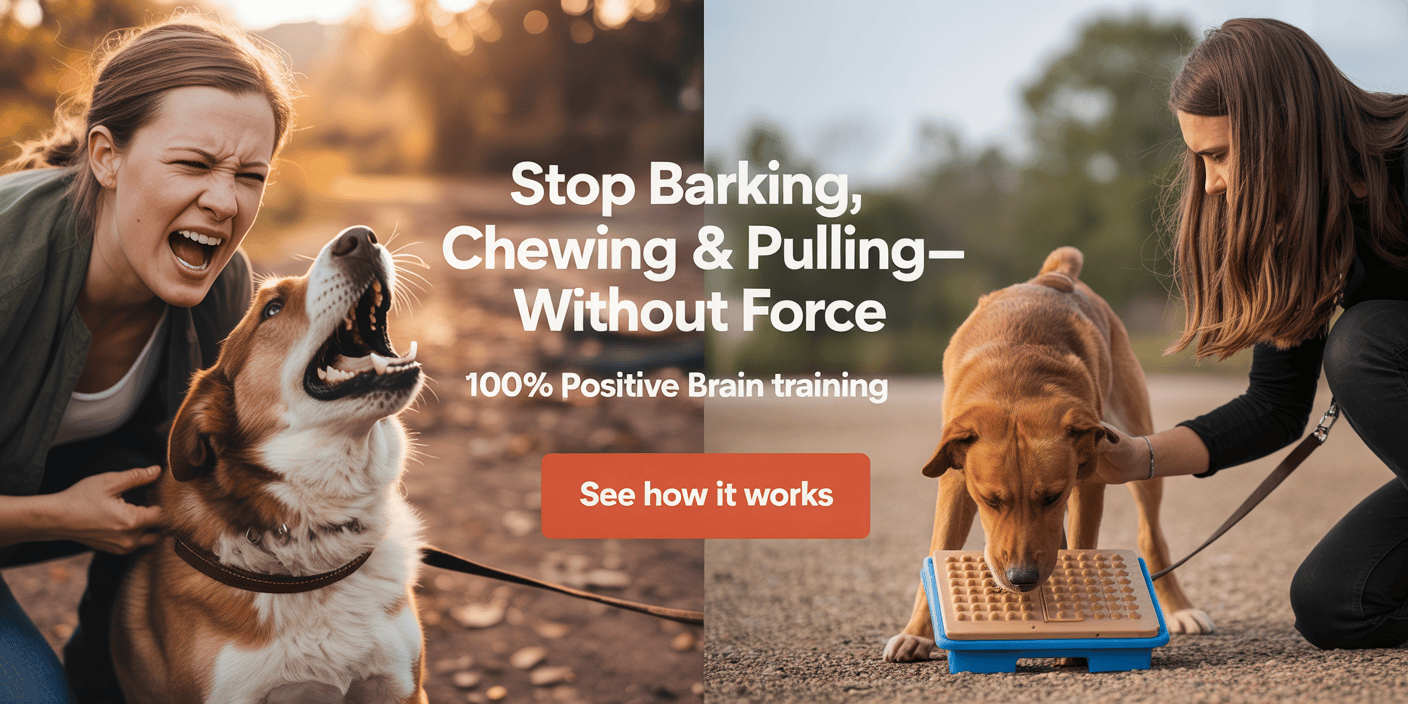
Problem behaviours in dogs can be tough to handle. But with the right training, you can fix these issues without punishment. Positive reinforcement training is a kind and effective way to tackle common problems like chewing, nuisance behaviours, and separation anxiety.
Redirecting Destructive Chewing and Digging
Dogs naturally chew and dig, but we can guide them to better choices. Give them lots of chew toys and play with them to keep them busy. For digging, make a special digging spot in your yard.
Being consistent and patient is crucial. Praise and treat your dog when they choose the right chew or digging spot. This encourages good behaviour.
Addressing Jumping, Barking, and Other Nuisance Behaviours
Jumping and barking can be managed with positive reinforcement. Ignore the jumping and reward calmness. For barking, find out why it happens and teach a “quiet” command.
Stay calm and consistent when dealing with these behaviours. Getting upset can make things worse.
Managing Separation Anxiety Through Positive Conditioning
Separation anxiety is common and can be fixed with gradual separation and positive reinforcement. Start by leaving your dog alone for short times and increase it slowly. Reward them for staying calm when you return.
Make a safe space for your dog and use puzzle toys to keep their mind busy. This helps with separation anxiety.
Creating Your Own Training Program at Home

You can train your dog at home with simple tools and a bit of dedication. Be consistent, patient, and positive in your training.
Designing 5-Minute Training Sessions That Work
Short training sessions keep your dog focused and learning well. Focus on one command or behaviour at a time. Utilise high-value rewards and maintain a positive and enjoyable training environment.
Free Online Resources and Communities for Support
The internet has many free resources and communities for dog training. You can find video tutorials, guides, and forums. Online courses, YouTube channels, and dog training apps are also great resources.
Turning Household Items Into Effective Training Tools
You don’t need to buy expensive tools to train your dog. Use household items as training tools. An old towel can be a tug toy, cardboard boxes can be obstacles, and a chair can help with “stay” and “leave it” commands.
| Household Item | Training Use |
|---|---|
| Cardboard Box | Obstacle for agility training |
| Old Towel | Tug toy for play and reward |
| Chair | Barrier for “stay” and “leave it” commands |
From Treats to Life Rewards: Building Lasting Behaviours
Changing your dog’s training from treats to meaningful rewards is key to lasting success. As your dog gets better, it’s time to use different and lasting ways to reward them.
Implementing Variable Reinforcement Schedules
A variable reinforcement schedule is a great way to keep behaviours going. By not rewarding your dog every time, they keep doing the task, hoping for a reward. This method helps them not rely too much on treats.
Using Play, Praise, and Life Rewards Effectively
Adding play, praise, and life rewards to your training makes your dog more motivated. For instance, after a “sit,” try a game of fetch or a walk. Praise is also powerful, as many dogs love the attention and love from their owners.
Maintaining Behaviours Long-Term Without Constant Treats
To keep behaviours going, you need a balanced reward plan. Here’s a table showing how to use different rewards in different situations:
| Context | Reward Type | Example |
|---|---|---|
| Basic Obedience | Praise, Play | Verbal praise after a successful “stay” |
| Advanced Training | Life Rewards, Treats (occasionally) | Allowing your dog to go for a walk after a training session |
| Complex Behaviors | ||
| Variable Rewards | Mixing play, praise, and occasional treats for a complex trick |
Using these methods, your dog’s training will be effective and lasting.
Overcoming Training Plateaus and Challenges

As you keep training your dog, you might hit roadblocks. Training plateaus can be tough, but knowing why they happen and how to change your approach can help you get past them.
When Your Dog Seems “Stubborn”: What’s Really Happening
Sometimes, dogs seem “stubborn” because we’re not talking clearly or because they’re not excited about the rewards. It’s key to check your training methods and make sure you’re using high-value rewards that really get your dog’s attention.
- See if your dog is distracted or not getting the command.
- Change the training spot to fewer distractions.
- Try more appealing rewards or mix them up to keep things interesting.
Training in High-Distraction Environments Successfully
Training in places with lots of distractions is tough, but it’s important for teaching your dog to focus anywhere. Start by gradually adding more distractions to your training sessions.
- Start with small distractions and add more as you go.
- Give your dog rewards for staying focused.
- Practice in different spots to help them learn everywhere.
Adapting Methods for Different Dog Personalities
Every dog is different, and it’s important to tailor your training to fit their personality. For example, rescue dogs might need more patience and understanding because of their past.
Special Considerations for Rescue Dogs
Rescue dogs might have fears or anxieties that affect their training. It’s important to be gentle and patient with them, often needing a slower and softer approach.
Building a Stronger Bond Through Training
Positive training methods help you and your dog become closer. They teach new behaviours and build trust and understanding. This makes your bond stronger.
How Positive Methods Improve Trust and Communication
Positive training creates a safe space for learning. Your dog learns to trust you for guidance and rewards. This improves your communication and helps your dog understand what you want.
Incorporating Training Into Everyday Interactions
Adding training to daily life is easy and good. For example, teach “sit” and “stay” during meals or before walks. This makes what your dog learns stick and strengthens your bond.
| Daily Activity | Training Opportunity |
|---|---|
| Meal Times | Practice “sit” and “stay” |
| Before Walks | Reinforce “heel” or “stay” |
| Playtime | Teach “drop it” or “leave it” |
Reading Your Dog’s Body Language During Training Sessions
It’s key to understand your dog’s body language during training. Knowing when they’re stressed or excited helps you adjust. For example, if they seem stressed, slow down or give more rewards.
By paying attention to your dog’s signals and changing your training, you make it better. This strengthens your bond even more.
Ready to See Real Results With Positive Dog Training?

If you want a calm, obedient, and happy dog—without force, fear, or outdated dominance methods, then this proven program is worth a look.
🧠 Why Dog Owners Love Brain Training For Dogs:
- ✔️ Developed by a CPDT-KA certified professional dog trainer
- ✔️ Uses 100% force-free, science-based positive training methods
- ✔️ Fixes problem behaviours by stimulating your dog’s natural intelligence
- ✔️ Covers barking, chewing, jumping, leash pulling, anxiety & more
- ✔️ Step-by-step games, videos, and troubleshooting guides
- ✔️ Works for puppies, adult dogs, and even “stubborn” breeds
✨ Thousands of dog owners have already transformed frustration into focus, confidence, and obedience—and you can too.
👉 Click here to unlock your dog’s hidden intelligence and start training the positive way today
🔒 Backed by a 60-day risk-free money-back guarantee
Conclusion: The Lifelong Benefits of Positive Training
Positive dog training brings lifelong joy and a well-behaved pet. It’s more than just teaching tricks. It’s about creating a strong bond with your dog.
This method is kind and works well. It rewards good behaviour instead of punishing bad behaviour.
Positive training does more than teach commands. It makes your dog more confident and calm. This helps them handle different situations better.
It also makes your relationship with your dog stronger. This leads to a happier and more enjoyable life together.
As we’ve seen, positive training is easy and doesn’t cost much. You can start training your dog at home. This way, you get to enjoy a lifelong bond with your pet.
Keep practising positive training to keep your relationship happy and healthy. This way, you’ll enjoy the benefits of positive training for many years.
FAQ
What is positive dog training, and how does it work?
Positive dog training is a kind way to teach dogs. It rewards good behaviour instead of punishing bad behaviour. Techniques like clicker training and positive reinforcement help dogs learn and behave well.
Why is positive reinforcement training effective for dogs?
It’s effective because it links good behaviour with rewards. This creates a strong bond between dog and owner, leading to lasting results.
What are the benefits of using clicker training for my dog?
Clicker training is precise and fun. It helps dogs learn quickly by clearly marking good actions. It’s a great way to train your dog playfully.
How can I train my dog on a budget?
Training on a budget is possible. Use high-value treats and DIY clickers. Affordable leashes and harnesses are also good options. Plus, there are free online resources and household items that can help.
What are some essential commands that I should teach my dog using positive reinforcement training?
Teach recall, “leave it,” and “drop it.” These commands are crucial. They help keep your dog safe and improve their behaviour in different situations.
How can I solve problem behaviours like destructive chewing and digging using positive reinforcement training?
Redirect destructive chewing and digging by rewarding good actions. Address the reasons behind these behaviours. Manage separation anxiety with positive training.
How can I maintain my dog’s training long-term without constant treats?
Use variable reinforcement schedules and play. Praise and life rewards are also effective. Gradually reduce treats to keep training going.
What should I do if my dog seems “stubborn” during training?
“Stubbornness” often means unclear communication or a lack of motivation. Adjust your training to fit your dog’s personality and needs.
How can positive training methods improve the bond between my dog and me?
Positive training builds trust and communication. It creates a respectful relationship. By training together and understanding body language, you can strengthen your bond.