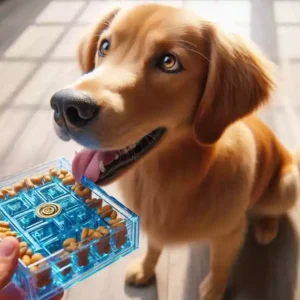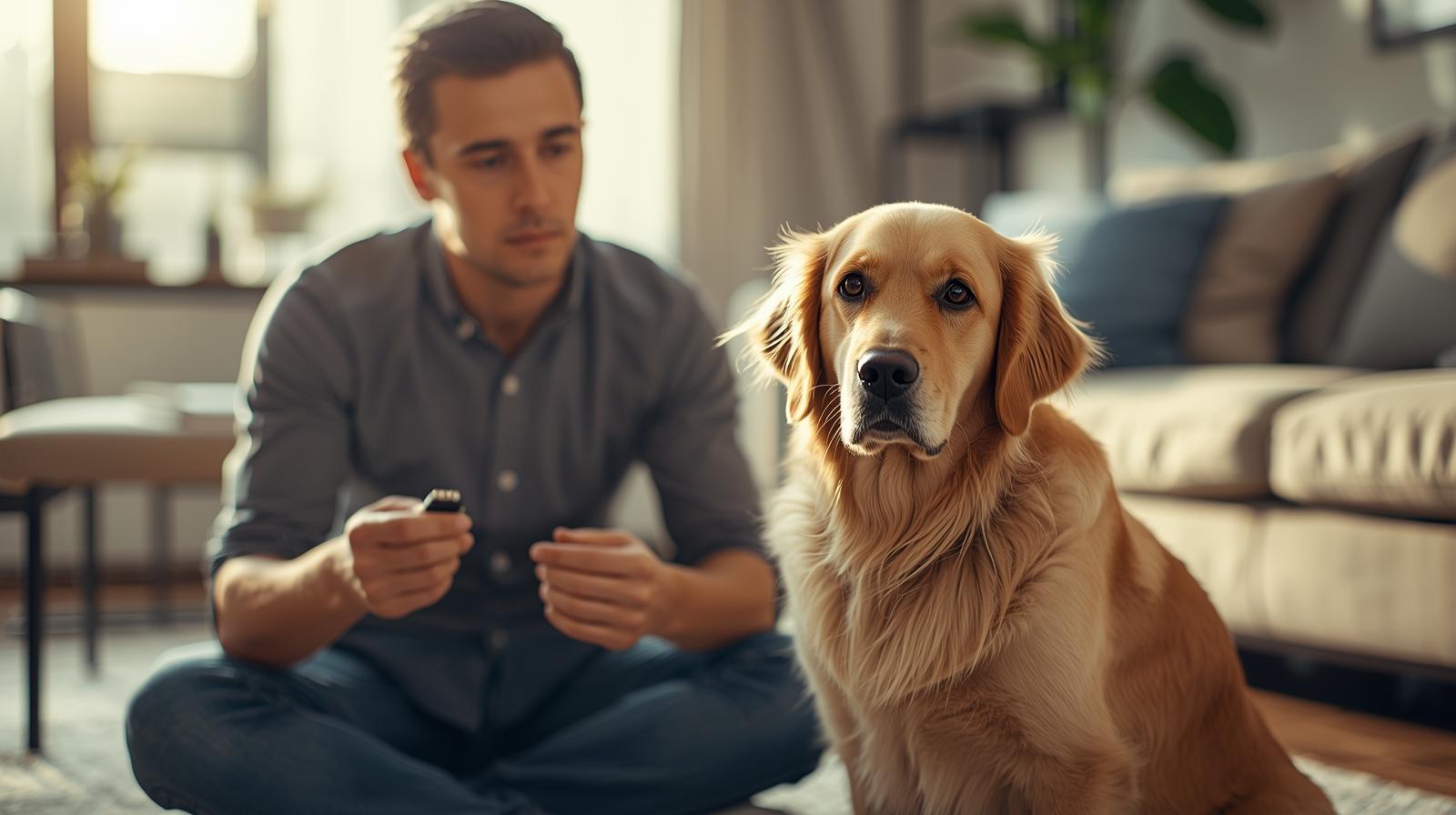
Studies show animals learn new skills 50% faster with a clear sound for success. This method gives instant feedback, better than human voices.
You can start dog training at home by realizing precision is vital. This small clicker connects actions to treats, making learning fun for pets.
Follow this step-by-step guide for lasting results. Consistent rewards teach pets what actions earn treats. This keeps your home calm.
Key Takeaways
- Clicker sounds offer perfectly consistent signals.
- Pair every click with a yummy reward.
- Keep practice sessions brief and energetic.
- Identify the exact second a pet succeeds.
- Choose a quiet room without many distractions.
- Use high-value treats for high focus.
What Is Positive Clicker Training and Why It Works
The clicker training method uses positive reinforcement. It’s a way to train dogs by rewarding good behaviour instead of punishing bad behaviour. This method helps you communicate better with your pet by giving instant feedback when they do something right.
Learning about clicker training can help you teach your dog more effectively.
The Science Behind Clicker Training
Clicker training is based on operant conditioning, a learning method developed by B.F. Skinner. It uses a distinct sound, like a clicker, to mark when a dog does something right. Then, a treat is given right after, which makes the dog want to do it again.
The key to clicker training is the immediate feedback it gives. The sound of the clicker helps your dog understand what they did right and why they got a treat.
How Positive Reinforcement Shapes Dog Behaviour
Positive reinforcement is a great way to shape dog behaviour. It rewards good actions, making your dog want to do them again. This method not only teaches new tricks but also makes your dog more confident and closer to you.
Positive reinforcement creates a positive link to good behaviour. When your dog does something right and gets a reward, they’re more likely to do it again. This consistent reward helps them learn new things and even complex commands.
Why Clicker Training Is More Effective Than Punishment-Based Methods
Clicker training is better than punishment for many reasons. It creates a positive learning space without fear or anxiety. Punishment can confuse and make dogs mistrustful, slowing down learning.
Also, clicker training gives clear, immediate feedback. This is key to learning. By focusing on what your dog does right, you encourage good behaviour and speed up learning.
Benefits of Clicker Training for Dogs and Owners

Clicker training offers many benefits, improving obedience and strengthening the bond between you and your dog. It’s based on positive reinforcement, making it rewarding for both dogs and their owners.
Faster Learning and Better Retention
Clicker training helps dogs learn faster because it gives them immediate feedback. The sound of the clicker tells them exactly what they did right. This clear feedback leads to better retention of what they’ve learned, as they’re more likely to repeat good behaviours.
Builds Trust and Strengthens Your Bond
Clicker training builds trust between you and your dog. It rewards good behaviours instead of punishing bad ones. This creates a safe space for learning and strengthens your bond, making your relationship more harmonious.
Works for All Dog Ages and Breeds
Clicker training is versatile and works for dogs of all ages and breeds. It’s great for puppies and older dogs, big and small breeds. No matter your dog’s age or size, clicker training can be tailored to fit their needs and learning style.
To show how clicker training works for different dogs, let’s look at a comparison:
| Dog Breed/Age | Training Duration | Learning Outcome |
|---|---|---|
| Puppy (Labrador) | 2 weeks | Mastered basic commands |
| Adult Dog (German Shepherd) | 4 weeks | Learned complex behaviors |
| Older Dog (Poodle) | 3 weeks | Improved obedience and focus |
The table shows that clicker training works for dogs of all ages and breeds. It’s universal and can lead to big improvements in dog behaviour and the relationship between owners and dogs.
Essential Supplies You’ll Need to Get Started

Before starting clicker training, you need the right supplies. This ensures your dog learns well. The right tools make training fun and effective for both you and your dog.
Choosing the Right Clicker for Your Dog
The clicker is key in clicker training. It marks the exact moment your dog does what you want. There are many types, like box clickers, button clickers, and smartphone apps. Pick one that feels good to hold and use, as you’ll use it a lot.
Types of Clickers:
| Clicker Type | Description | Best For |
|---|---|---|
| Box Clicker | A traditional clicker with a metal tab that produces a clear, crisp sound. | Most dogs, including those who like a distinct sound. |
| Button Clicker | A softer, more gentle clicker that is often preferred for sensitive dogs. | Dogs that are startled by loud noises or prefer softer sounds. |
| Clicker App | A smartphone app that mimics the sound of a clicker, useful for training on-the-go. | Owners who prefer not to carry a separate clicker or need a backup. |
Selecting High-Value Treats for Training Success
Treats are key in reward-based dog training. They reward your dog for good behaviour. Choose treats your dog loves, like cooked chicken, green beans, or special training treats.
Tips for Choosing Treats:
- Use small treats to avoid overfeeding your dog during training.
- Choose treats that are healthy and safe for your dog to consume.
- Vary the treats to keep the training interesting and prevent boredom.
Creating Your Training Space at Home
Having a special training area helps your dog focus. It should be quiet, comfy, and free from distractions. This could be a room, a backyard spot, or a quiet corner.
Tips for an Effective Training Space:
- Ensure the area is well-lit and at a comfortable temperature.
- Remove any distractions, such as turning off the TV and putting away toys.
- Make sure you have all necessary supplies within reach.
How to Train Your Dog-Positive Clicker Training: Basic Mechanics

Clicker training is a method that uses positive reinforcement to teach dogs. It works by linking a sound, like a clicker, to a reward. This helps you communicate with your dog and creates a great learning space.
Clicker training has key parts that work together. Charging the clicker is the first step, where your dog links the sound to a reward. It’s important to understand timing and precision in giving the click and reward. Also, mastering the click-treat-reward sequence is key to teaching good behaviours.
Charging the Clicker: Your First Training Session
Charging the clicker is the first step. It’s about making a positive link between the sound and a treat. Start with your dog relaxed. Then, click the clicker and give a treat right away. Do this many times until your dog connects the sound with the treat.
As Karen Pryor says, “The clicker is not just a tool; it’s a language that allows you to communicate precisely with your dog.” This link is important because it’s the base for all future training.
| Step | Description | Tips |
|---|---|---|
| 1 | Have your dog in a relaxed state | Choose a quiet area with minimal distractions |
| 2 | Click the clicker | Use a clear, distinct sound |
| 3 | Reward with a treat | Use high-value treats for better association |
Understanding Timing and Precision in Clicker Training
Timing is key in clicker training. The click must happen right when your dog does the behaviour. This helps your dog know what action is rewarded. Consistent timing helps your dog learn fast and right.
For example, when teaching your dog to sit, click the moment their bottom touches the floor. Then, give them a treat right away to reinforce the action.
The Click-Treat-Reward Sequence Explained
The click-treat-reward sequence is the core of clicker training. It has three steps:
- Click: Click the clicker when your dog does the behaviour.
- Treat: Give a treat right after the click.
- Reward: The treat is the reward, which reinforces the behaviour.
This sequence is repeated to help your dog learn. As they get better, you can use treats less often but keep the clicker cue.
“The key to successful clicker training lies in its simplicity and the clarity of communication it provides.”
Karen Pryor
Step 1: Teaching Your Dog to Focus and Pay Attention

Teaching your dog to focus is the first step in clicker training. This skill is key to effective training. It helps your dog listen better and strengthens your bond.
Capturing Eye Contact with the Clicker
To start, teach your dog to look at you. Hold a treat near their nose and move it towards your face. When their eyes meet yours, click the clicker and treat them. This links the clicker sound to eye contact.
Building Duration and Adding Distractions
After your dog gets eye contact, work on keeping it longer. Start with a few seconds and increase it over time. Add distractions like people, toys, or noises to make it harder.
Use this table to track your dog’s progress:
| Training Session | Duration of Eye Contact | Distractions Introduced |
|---|---|---|
| 1 | 2 seconds | None |
| 2 | 5 seconds | Other people |
| 3 | 10 seconds | Toys |
When to Move to the Next Training Level
Move to the next level when your dog looks at you for the right amount of time, even with distractions. This shows they’ve learned to focus well. Consistency and patience are key. Don’t rush it to avoid frustration.
By following these steps and using positive reinforcement, you’ll improve your dog’s focus. This will help with further clicker training.
Step 2: Training Basic Commands with the Clicker Method
Now, it’s time to teach your dog basic commands with the clicker method. This step is key. It sets the stage for more complex training and boosts their obedience.
Teaching “Sit” Using Clicker Training
To teach “sit,” hold a treat near your dog’s nose. Move your hand up and back, towards their tail. This should make them sit down. Click the clicker and give them the treat as soon as they sit.
Do this several times. This helps them learn the connection between the action and the reward.
Training “Down” with Positive Reinforcement
To teach “down,” start with your dog sitting. Hold a treat near their chest and slowly move it down. This should make them lie down naturally.
Click and reward them the moment they lie down. Remember, this command might take a bit longer to learn.
Mastering “Stay” Through Gradual Steps
Teaching “stay” requires patience. Start with your dog sitting or lying down. Take a few steps back and click if they stay in place.
Gradually increase how far and long you’re away from them. Reward them for staying. This command needs consistent practice.
Teaching a Reliable “Come” Command
The “come” command is crucial for safe walks and emergencies. Begin in a quiet area with few distractions. Call your dog by name and say “come” while stepping back.
Click and reward them when they come to you. Increase the distance and add distractions to test their response.
By following these steps and practising regularly, you can teach your dog these basic commands using the clicker method.
Step 3: Advanced Clicker Training Techniques at Home
Now that you’ve learned the basics of clicker training, it’s time to advance your dog’s skills. Advanced techniques help refine your dog’s understanding and response to commands. This makes your training sessions more efficient and effective.
Shaping Complex Behaviours Step by Step
Shaping complex behaviours means breaking down a desired action into smaller steps. This method guides your dog through a learning process that’s both challenging and rewarding. For example, teaching your dog to “play the piano” starts with rewarding them for approaching the piano. Then, you gradually add more complex actions like pressing a key.
“The key to successful shaping is patience and the ability to see and reward small steps towards the final behavior,” says Karen Pryor, a renowned expert in clicker training. By focusing on incremental progress, you can help your dog learn intricate behaviors that they might not have mastered.
Chaining Multiple Commands Together
Chaining involves linking several commands or behaviours together into a sequence. This technique is useful for creating complex routines or for situations where you need your dog to perform a series of actions in a specific order. Start by teaching each component separately, then gradually link them together, using the clicker to mark the completion of each step.
For instance, you can chain “sit,” “stay,” and “down” commands to create a sequence. Your dog sits, stays in place, and then lies down on command. The key is to practice each link in the chain until your dog can perform it smoothly before adding the next command.
Fading the Clicker and Transitioning to Verbal Cues
As your dog becomes more proficient in responding to commands, it’s essential to start fading out the clicker. This process involves gradually reducing the frequency of the clicker sound while introducing verbal cues. The goal is to have your dog respond to commands without relying on the clicker.
To fade the clicker, start by only clicking every other time your dog performs the desired behaviour. Then, gradually increase the number of times you withhold the clicker. Simultaneously, introduce a verbal cue just before the behaviour, so your dog starts to associate the command with the action.
Common Mistakes to Avoid in Clicker Training
Knowing the common mistakes in clicker training is key to a smooth experience. Clicker training is very effective, but it needs precision and consistency. This ensures the best results for you and your dog.
To get the most out of clicker training, it’s important to know the pitfalls. Here are some common mistakes to watch out for:
Clicking at the Wrong Time and How to Fix It
Timing is crucial in clicker training. Clicking at the wrong time can confuse your dog and slow learning. To avoid this, click immediately after the desired behaviour.
- Practice clicking on simple actions to improve timing.
- Use a consistent clicker sound to avoid confusing your dog.
- Be precise: Click the moment your dog performs the desired action.
Over-Relying on Treats Without Building Independence
Treats are important in clicker training, but relying too much on them can create dependence. To build independence, start to phase out treats by introducing variable rewards.
Variable rewards mean sometimes giving a treat, sometimes not. This keeps your dog engaged and guessing. It helps your dog understand that the behaviour is what matters, not just the treat.
Inconsistent Training Sessions and Mixed Signals
Consistency is crucial in clicker training. Inconsistent training or mixed signals can confuse your dog and undermine the training. To avoid this, have a regular training schedule and ensure all family members use the same commands and techniques.
| Consistency Tips | Benefits |
|---|---|
| Train at the same time every day | Establishes a routine for your dog |
| Use the same commands and hand signals | Reduces confusion and mixed signals |
Training for Too Long Without Breaks
Clicker training can be mentally taxing for dogs. Training for too long without breaks can cause frustration and decrease effectiveness. Keep training sessions short and fun, and give your dog plenty of breaks.
By knowing these common mistakes and avoiding them, you can have a productive and enjoyable clicker training experience with your dog.
Troubleshooting Clicker Training Challenges
Clicker training is great, but it can face some common problems. These issues can be fixed with the right steps. It’s a flexible method, but it’s not perfect.
When Your Dog Ignores the Clicker
If your dog ignores the clicker, it might not know what it means yet. Go back to the start of training. There, you linked the clicker to treats.
Steps to Re-engage Your Dog:
- Recharge the clicker by clicking and treating several times.
- Ensure the clicker sound is distinct and not too loud or too soft.
- Use higher-value treats to regain your dog’s attention.
Dealing with Overexcitement During Training
Some dogs get too excited during training. This can make learning hard. It’s important to keep their excitement in check.
Tips to Manage Overexcitement:
| Strategy | Description |
|---|---|
| Pause Training | Take breaks to calm your dog down. |
| Use Calmer Environments | Train in less stimulating environments. |
| Lower Treat Value | Use less exciting treats to reduce excitement. |
Managing Fear or Clicker Sensitivity in Nervous Dogs
Dogs that are nervous or fearful might find the clicker scary. It’s key to introduce it slowly to avoid scaring them.
Gradual Introduction Steps:
- Start by simply having the clicker visible while giving treats.
- Gradually introduce the clicker sound at a low volume, followed by treats.
- Increase the volume over time as your dog becomes more comfortable.
DIY Eco-Friendly Dog Grooming Recipes for Well-Trained Dogs
A well-trained dog is a joy to care for. Using homemade, eco-friendly grooming products can make them healthier and happier. With clicker training basics covered, you can now focus on their health and hygiene with natural ingredients.
Using eco-friendly grooming recipes is good for your dog’s health and the planet. Here are some simple DIY grooming recipes you can try at home.
Natural Dry Shampoo Recipe with Baking Soda and Cornstarch
A dry shampoo is great for busy days or between baths. Here’s a simple recipe using baking soda and cornstarch.
- 1/2 cup baking soda
- 1/4 cup cornstarch
- 1 tablespoon dried lavender buds (optional)
Mix these ingredients and store them in an airtight container. Sprinkle the mixture onto your dog’s coat, massage it in, and brush out thoroughly.
Homemade Paw Balm for Active Training Sessions
Keep your dog’s paws moisturised and protected with this easy-to-make paw balm.
- 1/4 cup coconut oil
- 1/4 cup shea butter
- 2 tablespoons beeswax
- 2 drops of peppermint essential oil
Melt the coconut oil, shea butter, and beeswax in a double boiler. Remove from heat and stir in the peppermint essential oil. Pour into containers and let cool before use.
Eco-Friendly Coat Conditioning Spray with Essential Oils
This conditioning spray will leave your dog’s coat shiny and healthy.
- 1 cup water
- 1/4 cup apple cider vinegar
- 2 tablespoons coconut oil
- 5 drops of lavender essential oil
Mix all the ingredients in a spray bottle. Spray onto your dog’s coat and brush through for a healthy shine.
Organic Dental Care Solution for Fresh Breath
Maintaining your dog’s dental health is crucial. Here’s a simple recipe for a dental care solution.
| Ingredients | Quantity |
|---|---|
| Water | 1 cup |
| Apple Cider Vinegar | 1/2 cup |
| Parsley | A handful, chopped |
Mix the water and apple cider vinegar in a bottle. Add the chopped parsley. Use as a final rinse after brushing your dog’s teeth to help freshen breath.
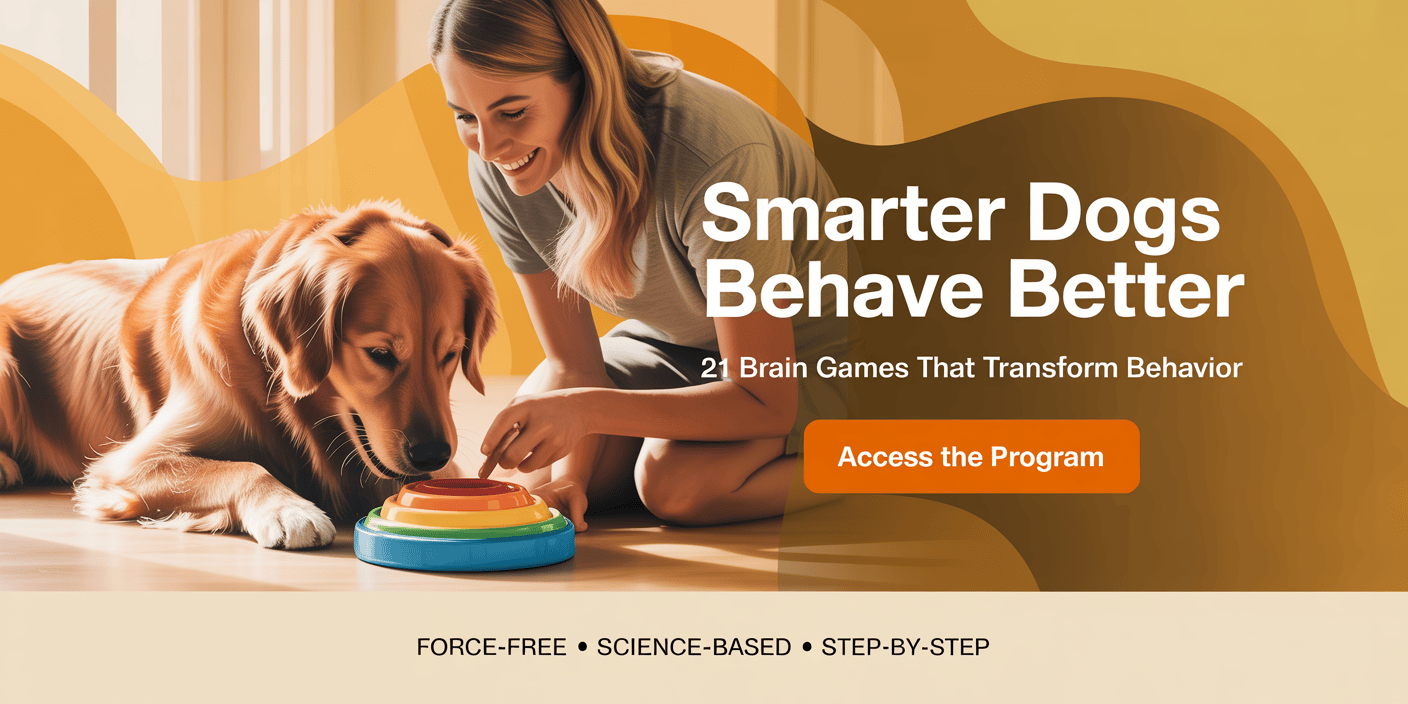
🧠 Ready to Unlock Your Dog’s Hidden Intelligence?

Clicker training is powerful…
But if you want to eliminate bad behaviour faster and create an incredibly obedient, focused dog, you need to train your dog’s brain.
👉 Introducing Brain Training For Dogs by CPDT-KA Certified Trainer Adrienne Farricelli
✔ Develop your dog’s hidden intelligence
✔ Eliminate barking, chewing, jumping, & leash pulling
✔ 21 brain games that boost obedience fast
✔ Force-free, science-based training methods
✔ Step-by-step videos + troubleshooting guides
✔ Covers puppies to stubborn adult dogs
✔ 60-Day Money-Back Guarantee
This isn’t outdated dominance training.
It’s a battle-tested, professional system designed to fix behaviour at the root cause — not just mask it. sales page dog training
🔥 Imagine your dog listening, focusing, and responding instantly.
You can start today for just $67.
👉 Click Here to Access Brain Training For Dogs Now
(Transform Your Dog’s Behaviour Starting Today)
Conclusion
By following the steps in this article, you can build a strong bond with your dog. You can also achieve great training results from home. Positive reinforcement is key. It not only helps your dog learn but also builds trust between you and your pet.
Clicker training works for dogs of all ages and breeds. Adding eco-friendly grooming practices ensures your pet’s health. Simple DIY recipes like natural dry shampoo and homemade paw balm are great for grooming. They promote a healthier, more sustainable lifestyle for your dog.
With regular practice and patience, you can train your dog at home. This way, you’ll enjoy a well-behaved and happy companion. By using positive clicker training and eco-friendly grooming, you’re investing in a stronger, more loving bond with your dog.
FAQ
Why should I choose positive reinforcement dog training over traditional correction-based methods?
Positive reinforcement training rewards good behaviour, building trust with your pet. It’s proven to work better than punishment, as it encourages your dog to choose the right actions. This method is more effective for long-term behaviour improvement.
What are the primary clicker training benefits for my pet?
Clicker training helps your pet learn faster and stay focused. It marks the exact moment of correct action. This makes training fun and stress-free for both you and your dog.
How do I avoid common mistakes when starting clicker training for dogs?
Timing is key. Click the exact second your dog does the right thing. Use consistent cues and keep sessions short to avoid frustration or boredom.
Is treat training necessary for the entire life of the dog?
Treats are crucial at first, but will be phased out. You’ll use verbal praise and real rewards instead. This ensures positive behaviour lasts even without treats.
What are some quick dog training tips for a dog that is sensitive to the loud clicking sound?
For sensitive dogs, try a “soft” clicker or a retractable pen. These tools help you train without startling your pet, keeping them comfortable and engaged.
How does a well-trained dog make eco-friendly grooming easier?
A well-trained dog stands still for baths and brushing. This makes grooming faster and more enjoyable. You can use DIY recipes without stress.
Can I use clicker training for dogs that are already seniors?
Yes, you can teach senior dogs new tricks. This method is low-stress and perfect for older dogs. It keeps their minds sharp and improves behaviour.