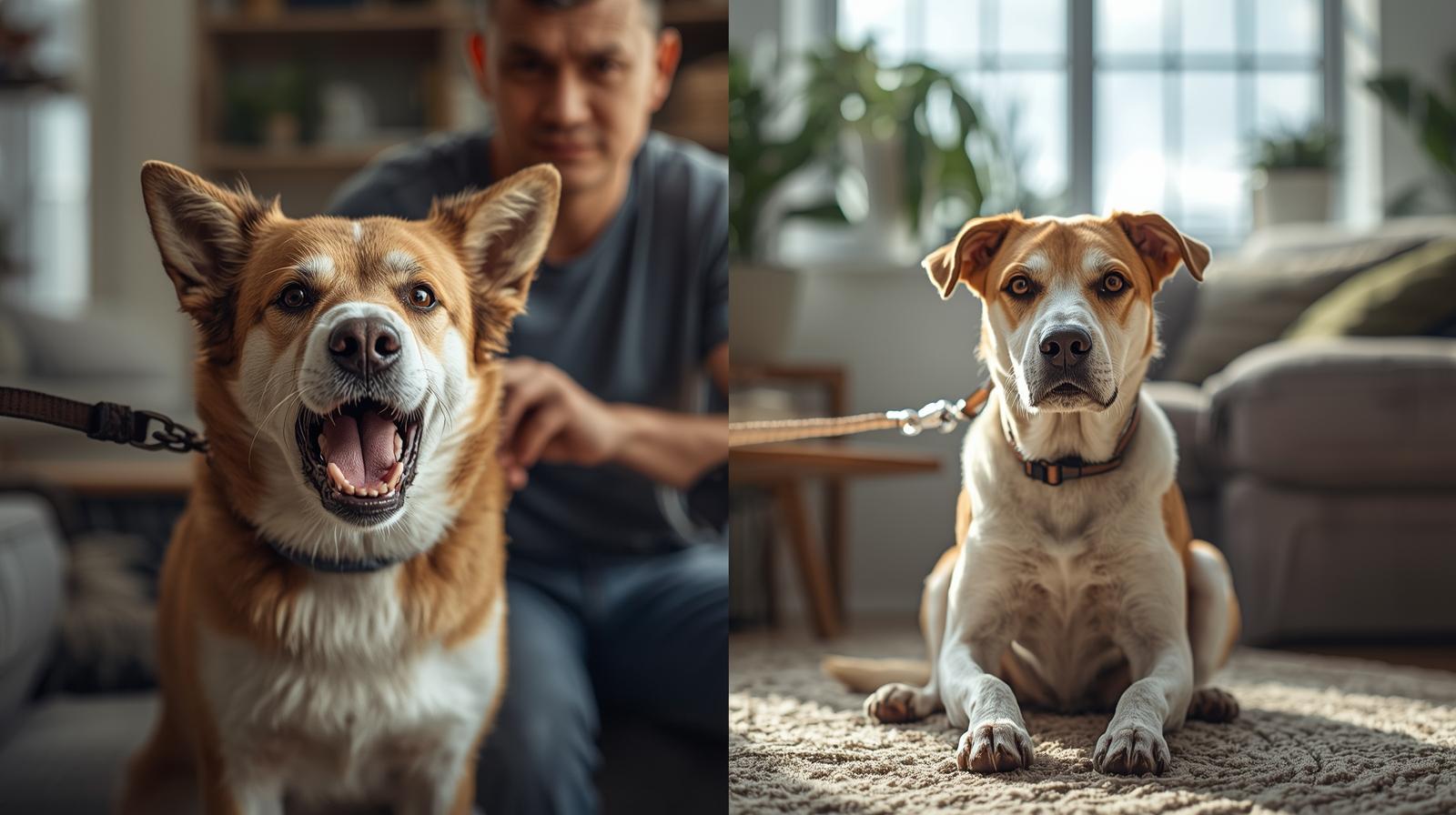
Did you know that nearly 75% of dog owners get frustrated with their pet’s bad behaviour? This can include barking, chewing, and even aggression. Knowing why your dog misbehaves is the first step to a better home life.
You don’t need to yell or use force to fix these problems. Gentle, natural solutions can make your home calmer and happier. By using behaviour modification for dogs, you can improve your pet’s behaviour and grow closer to them.
Key Takeaways
- Gentle training methods can effectively address dog behaviour problems.
- Understanding the cause of your dog’s misbehaviour is crucial.
- Dog training tips can help you manage common issues.
- Positive reinforcement is a powerful tool in behaviour modification for dogs.
- A calm home environment benefits both you and your pet.
Understanding Why Dogs Develop Behaviour Problems
Figuring out why your dog acts out is the first step to fixing it. Dogs get into trouble because of their genes, environment, and how they interact with others.
The Root Causes of Problematic Behaviours
Knowing what makes your dog behave badly is key to fixing it. There are two main reasons: instinct and learned behaviours.
Instinctual vs. Learned Behaviours
Instincts are what dogs are born with, based on their genes. For instance, herding dogs might chase and gather. Learned behaviours, on the other hand, come from what they experience and learn.
The Impact of Breed and Temperament
A dog’s breed and personality greatly affect its behaviour. Some breeds are naturally good at guarding or hunting. Knowing your dog’s breed can help you tackle their behaviour problems better.
How Dogs Learn and Communicate
Dogs learn and talk in different ways, like with body language and by reacting to rewards or corrections. Knowing how your dog learns is crucial for fixing their behaviour.
Reading Canine Body Language
Understanding dog body language is very important. It helps you see when your dog is stressed, scared, or excited. This way, you can meet their needs and understand their actions better.
The Timing of Rewards and Corrections
When you give rewards or corrections is very important. Quick feedback helps your dog connect the action with the result. This makes learning easier for them.
The Science Behind Positive Reinforcement Training
Positive reinforcement training is a top choice for changing dog behaviour. It’s based on science. This method rewards good actions, not bad ones. It makes learning better and happier for dogs.
Why Punishment-Based Methods Don’t Work Long-Term
Punishment training might work for a while, but it can harm dogs in the long run. It can make dogs scared and anxious. This hurts the bond between dog and owner.
The Fallout of Fear and Intimidation
Fear and intimidation cause many problems. Dogs might become aggressive or anxious. They might stop acting because they’re afraid of getting punished.
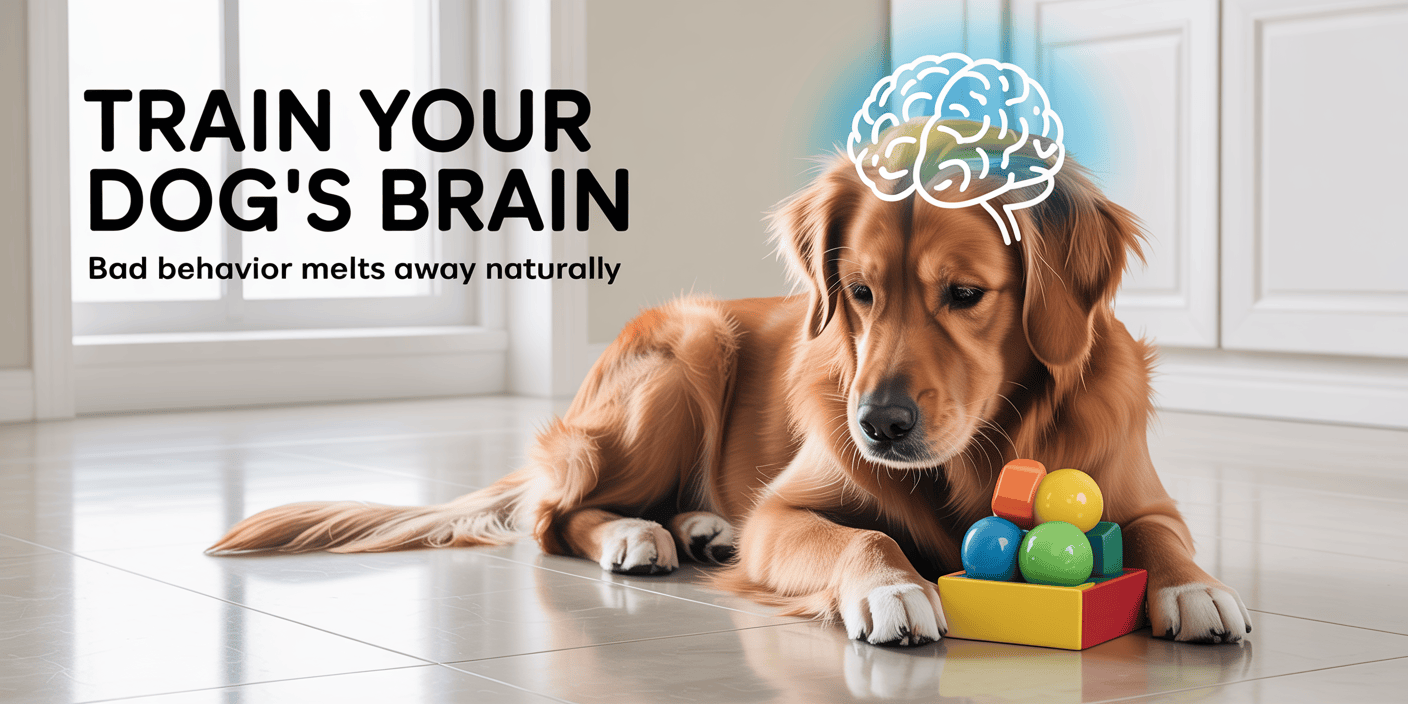
Breaking the Trust Bond With Your Dog
Punishment can break the trust between you and your dog. Dogs may not listen or hide their true behaviour. They won’t learn what you want them to do.
The Psychology of Reward-Based Training
Reward-based training uses positive reinforcement. It encourages good behaviour by linking it to rewards.
Creating Positive Associations
By rewarding good behaviour, you create positive links. This makes your dog want to do it again. Treats or praise work well for this.
Strengthening Desired Behaviours Through Reinforcement
Regularly rewarding good behaviour makes it stronger. This method is kind and works well. It helps dogs learn positively.
| Training Method | Short-Term Effectiveness | Long-Term Outcomes |
|---|---|---|
| Punishment-Based | High | Negative (fear, anxiety) |
| Reward-Based | Moderate | Positive (trust, desired behaviors) |
Essential Tools for Humane Behaviour Modification
Humane behaviour modification is achievable with the right training solutions. The right tools can make a big difference in solving dog behaviour problems.
Training Treats and Reward Systems
Training treats are key in any obedience training plan. They act as immediate rewards for good behaviour. This helps your dog understand what you want them to do.
Choosing High-Value vs. Low-Value Rewards
High-value rewards are best for complex behaviours or when your dog is distracted. Use low-value rewards for simpler tasks or when your dog is already focused.
Non-Food Rewards That Work
Not all rewards have to be food. Praise, affection, and playtime can be strong motivators for many dogs. They add variety to your reward systems.
Clickers and Marker Training
Clickers are used in marker training to mark the exact moment of a desired behaviour. This precision speeds up learning.
Appropriate Leashes, Harnesses and Management Tools
The right leashes and harnesses improve your dog’s comfort and your control during walks. Management tools help prevent unwanted behaviours.
By using these essential tools in your training, you’ll be better at solving common dog behaviour problems humanely and effectively.
How to Fix Common Dog Behaviour Problems Effectively

Fixing common dog behaviour issues needs patience, consistency, and a good training plan. Every dog is different, so you might need to adjust your approach.
Setting Realistic Expectations
It’s important to have realistic goals when fixing dog behaviour. Changing behaviour takes time. Remember, setbacks are normal.
Dog training experts say, “Patience and persistence are key to successfully addressing dog behaviour problems.”
“Patience is not simply the ability to wait – it’s how we behave while we’re waiting.” – Joyce Meyer
Creating a Consistent Training Schedule
Consistency is key in dog training. A regular schedule helps your dog know what’s expected. This includes:
- Daily training sessions
- Involving all family members in the training process
- Using positive reinforcement techniques
Daily Training Sessions That Work
Daily training should be short and focused. Aim for 10-15 minutes. Always reward good behaviour.
Involving All Family Members
Getting everyone involved in training ensures your dog gets consistent messages. This avoids confusion and strengthens good behaviour.
| Training Aspect | Frequency | Duration |
|---|---|---|
| Daily Training Sessions | Once or Twice a Day | 10-15 minutes |
| Family Involvement | Every Interaction | Ongoing |
The Importance of Patience and Persistence
Fixing bad dog habits takes time. It needs patience and persistence. Stay committed to your training plan and be patient with your dog. This way, you can solve common behaviour problems.
Solving Excessive Barking Issues
Excessive barking is more than just a bother; it often signals a deeper problem. To stop dog barking, we must find out what’s causing it.
Identifying Barking Triggers
Finding out why your dog barks is the first step. Barking can be caused by different things.
Alarm Barking vs. Attention-Seeking Barking
Alarm barking happens when your dog hears something unusual. Attention-seeking barking is when your dog wants to play or get treats.
Boredom and Anxiety-Related Barking
Dogs get bored or anxious and bark a lot. This can happen if they’re left alone too long or have separation anxiety.
Teaching the “Quiet” Command
Teaching your dog to be quiet is a great way to handle barking. It helps you control when they bark.
Environmental Management for Bark Reduction
Changing your dog’s environment can help them bark less. You can block their view, use white noise, or give them enough exercise and mental games.
| Barking Trigger | Management Strategy |
|---|---|
| Alarm Barking | Block access to windows, use white noise machines |
| Attention-Seeking Barking | Ignore the barking, reward silence |
| Boredom and Anxiety | Provide adequate exercise, mental stimulation, and training |
Stopping Jumping on People

To stop dogs from jumping on people, we need to know why they do it. Then, we teach them new ways to behave. Dogs jump because they’re excited or want attention.
Why Dogs Jump and How to Redirect
Dogs jump for many reasons, like saying hello or getting attention. To change this, we must understand why they jump. Then, we teach them a new way to act.
If your dog jumps for attention, ignore them until they calm down. This can really help.
Teaching Proper Greeting Behaviours
Teaching your dog to greet properly can cut down on jumping. It’s all about training them to be calm when they say hello.
The “Four on the Floor” Rule
The “Four on the Floor” rule means your dog should keep all four paws on the ground. This rule helps them learn to greet calmly.
Alternative Greeting Behaviours to Teach
Instead of jumping, teach your dog to sit or shake paws. Reward them when they behave calmly.
Consistency Among Family Members and Visitors
Consistency is crucial when training your dog. Make sure everyone greets your dog the same way. This avoids confusing them.
Addressing Destructive Chewing
Dogs naturally chew, but destructive chewing needs quick action. They chew due to teething, boredom, or anxiety. Without the right options, they might chew on things they shouldn’t.
Meeting Your Dog’s Chewing Needs Appropriately
It’s key to give your dog chew toys that meet their needs. Durable rubber toys, bully sticks, and raw hide chews are great. Make sure these toys are safe and won’t cause choking.
Puppy-Proofing Your Home
Keeping your home safe from chewing is vital. Remove or secure items like shoes and cords. This stops your dog from chewing on things they shouldn’t.
Redirecting to Appropriate Chew Toys
Redirecting your dog to the right toys needs patience and praise. Say “no” when they chew on the wrong thing and give them a good toy. This teaches them what’s okay to chew.
Rotating Toys to Maintain Interest
Change your dog’s toys often to keep them interested. New toys or old ones back again can keep their mind active. This is great for dogs who get bored easily.

Interactive Toys for Mental Stimulation
Interactive toys challenge your dog to get treats out. They’re fun and keep your dog busy. This helps prevent chewing due to boredom or anxiety.
| Toy Type | Benefits | Examples |
|---|---|---|
| Durable Rubber Toys | Long-lasting, suitable for aggressive chewers | Kong toys, GoughNuts |
| Interactive Toys | Mental stimulation, reduces boredom | Puzzle toys, Tricky Treat Ball |
| Raw Hide Chews | Natural chewing option, dental benefits | Raw hide strips, bully sticks |
Understanding your dog’s chewing needs is crucial. Puppy-proof your home and teach them to chew on the right toys. A mix of toys and regular changes will keep them happy and busy.
Eliminating Leash Pulling

Walking your dog should be fun, not a fight. You can stop leash pulling with the right tools and training.
Proper Equipment Selection for Comfortable Walking
Choosing the right gear is key to a smooth walk. The right harness can really help cut down on leash pulling.
Front-Clip Harnesses vs. Head Halters
Front-clip harnesses are great because they stop pulling by pulling the dog back. Head halters work for some dogs but might not be comfy for others.
When to Avoid Retractable Leashes
Retractable leashes let dogs pull more, which isn’t good for training. It’s best to skip them when teaching your dog.
Teaching Loose-Leash Walking Techniques
Teaching your dog to walk nicely takes time and treats. Start with a harness and treats to keep them by your side.
Handling Distractions During Walks
Walks often come with distractions. Practice in different places and reward your dog for staying focused.
With the right gear and training, you can make walks better for both you and your dog.
Solving House Training Problems
House training is key for dog owners. It needs patience, consistency, and the right methods. Many face house training issues, but with the right approach, these can be fixed.
Establishing a Consistent Potty Schedule
Creating a regular potty schedule is crucial. Dogs love routine. Take your dog out at the same times each day. This includes morning, after meals, after play, and before bed.
Proper Cleanup of Accidents
Accidents need quick and proper cleanup. Use a cleaner that removes all odours. Dogs are drawn to the smells of previous accidents.
Eliminating Odours to Prevent Repeat Marking
Use a cleaner made for pet stains and odours. This stops your dog from returning to the same spot.
Avoiding Punishment for Accidents
Punishing for accidents can make things worse. Instead, reward good behaviour.
Crate Training as a House Training Tool
Crate training is helpful. It keeps your dog in one area, reducing accidents. Make the crate a cosy space for your dog.
| House Training Tip | Description |
|---|---|
| Establish a Routine | Take your dog out at the same times daily. |
| Proper Cleanup | Use odor-eliminating cleaners for accidents. |
| Crate Training | Confine your dog to prevent accidents. |
With these strategies, you can solve house training issues. Enjoy a cleaner, happier home with your dog.
Managing Aggression and Reactivity

Managing aggression and reactivity in dogs needs a detailed plan. These behaviours can stem from fear, dominance, or past traumas. Knowing the cause is key to fixing the problem.
Understanding the Difference Between Fear and Dominance
Fear and dominance are the main reasons for aggression in dogs. Fear-driven aggression happens when a dog feels scared or threatened. Dominance aggression is when a dog tries to show who’s boss. Knowing the difference helps pick the right fix.
Counter-Conditioning Techniques
Counter-conditioning is a strong method for tackling aggression and reactivity. It makes the dog link the scary thing to something good, making them less scared over time.
Creating Distance From Triggers
The first step is to keep your dog away from what scares them. Start with a safe distance where they don’t get aggressive.
Gradual Exposure Training
Gradual exposure means getting your dog used to the scary thing slowly. Start when they’re calm. Rewarding them for calm helps them see the scary thing as good.
| Technique | Description | Benefit |
|---|---|---|
| Counter-Conditioning | Associating triggers with positive outcomes | Reduces negative responses |
| Gradual Exposure | Slowly increasing exposure to triggers | Helps dogs become calm around triggers |
When to Seek Professional Help for Aggression
If your dog’s aggression is serious, or you’re not sure what to do, get help. A professional dog trainer or behaviourist can offer tailored advice. They’ll help you create a safe and effective plan.
Resolving Separation Anxiety
Helping your dog overcome separation anxiety starts with understanding their needs. It also involves using the right training techniques. This condition makes dogs act out or bark a lot when left alone.
Creating Positive Associations with Alone Time
Begin by leaving your dog alone for short times. Reward them for staying calm when you come back. This positive reinforcement makes being alone a good thing.
Gradual Desensitisation to Departures
Slowly increase how long you’re away from your dog. Start with small steps. This makes your dog less upset when you leave.
Environmental Enrichment for Anxious Dogs
Make your dog’s space more interesting to fight separation anxiety. You can do this with:
- Puzzle toys filled with treats
- Long-lasting chews
- Calming music or white noise
- Pheromone diffusers
Puzzle Toys and Long-Lasting Treats
Puzzle toys keep your dog busy figuring out how to get treats. Long-lasting chews also keep them engaged for a long time.
Calming Music and Pheromone Products
Calming music and pheromone products make a peaceful space. They help lower your dog’s stress when you’re not there.
Want a Calm, Well-Behaved Dog — Not Just a Happy Snack?
Healthy treats like banana snacks are great 💛
But if your dog still barks, pulls, chews, jumps, or ignores commands, nutrition alone isn’t enough.
That’s where Brain Training for Dogs makes the real difference.
✅ Why Dog Owners Love This Program
- 🐶 Unlocks your dog’s hidden intelligence to naturally reduce bad behaviour
- 🧠 Mental games that tire dogs out faster than walks
- 🚫 100% force-free & science-based (no yelling, no dominance)
- 🎓 Created by CPDT-KA certified trainer Adrienne Farricelli
- 🐾 Works for puppies, adult dogs, and “stubborn” breeds
- ❤️ Builds a stronger bond between you and your dog
🌟 Perfect Pair With Healthy Homemade Treats
Use treats as rewards…
Use brain training to fix the behaviour for good.
👉 Click here to discover the exact system thousands of dog owners use to stop bad behaviour naturally
👉 Get instant access to Brain Training for Dogs today (risk-free)
Conclusion: Building a Harmonious Relationship With Your Dog
To have a good relationship with your dog, you need patience, consistency, and positive training. Understanding why your dog behaves a certain way and using good training tips can help. This way, you can have a well-behaved and loving pet.
We’ve looked at many ways to change your dog’s behaviour in this article. We talked about how to stop excessive barking, jumping, and solve house training issues. We also covered how to manage aggression. Using these methods can help fix common dog behaviour problems.
Every dog is different, so what works for one might not work for another. Stick to your training plan and be patient with your dog. With time and the right approach, you can build a strong, loving bond with your dog. This bond is based on trust, respect, and clear communication.
By using the dog training tips from this article, you can overcome behaviour problems. This will help you have a better relationship with your furry friend.
FAQ
What is positive reinforcement training, and how does it work?
Positive reinforcement training rewards good behaviour. It uses treats or praise to encourage dogs to repeat desired actions.
Why do dogs develop behaviour problems?
Dogs develop problems due to instinct, breed, and environment. Knowing the cause helps fix the issue.
How can I stop my dog from barking excessively?
First, find out what makes your dog bark. Teach them the “quiet” command. Use white noise or block their view to manage noise.
Why does my dog jump on people, and how can I stop it?
Dogs jump for excitement or attention. Teach them to greet properly. Keep everyone consistent in their behaviour.
How can I address destructive chewing in my dog?
Provide chew toys to meet their needs. Puppy-proof your home. Redirect them to the right toys.
What is the best way to eliminate leash pulling during walks?
Choose a comfy harness. Teach them to walk without pulling. Handle distractions calmly.
How can I solve house training problems?
Set a regular potty schedule. Clean up accidents well. Use a crate to help with training.
How can I manage aggression and reactivity in my dog?
Understand fear and dominance. Use positive techniques. Seek help when needed.
What can I do to resolve separation anxiety in my dog?
Make alone time positive. Gradually get them used to leaving. Provide enrichment for anxious dogs.
Are there any essential tools I need for humane behaviour modification?
Yes, you’ll need treats, clickers, and the right gear. This includes leashes, harnesses, and management tools.
How important is patience and persistence in dog training?
Patience and persistence are key. They help you overcome challenges and achieve lasting results.


Добрый день!
Коллеги и друзья мои, есть ли что страшнее и непонятнее, когда не знаешь иностранный язык и не понимаешь его смысл?!
К нашему счастью и радости в наше компьютеризированное и интернетное время это не является проблемой.
Даже доступно удаленно, т.е. онлайн, можно не выходя из офиса или квартиры обратиться в профессиональную и надежную фирму с 15 летним стажем в городе Челябинске и Челябинской области и заказать необходимый перевод документов.
Различных документов и различных переводов множество, лучше конечно неразумно и опрометчиво не рисковать, ведь это же официальная документация.
В общем, если вы хотите найти, переводы, перевод документов, апостиль в Челябинске и т.д., например:
[url=https://www.lingvo-master.com/perevody-perevod-dokumentov-apostil/]нотариальный перевод документов челябинск[/url]
Тогда вам обязательно нужно прямо сейчас перейти на сайт Бюро переводов Lingvomaster Челябинск и узнать все подробности по перевод паспорта, нотариальный перевод, письменный перевод, устный перевод, перевод водительских, перевод аудиозаписи, консульская легализация, перевод видеозаписей в Челябинске и т.д. https://www.lingvo-master.com/perevody-perevod-dokumentov-apostil/ .
Обязательно переходите на сайт Бюро переводов Lingvomaster Челябинск, изучайте информацию и сохраняйте в закладки, не забудьте записать номер телефона +7 (351) 247-00-53 и адрес сайта.
Есть ли что надежнее и серьезнее бюро переводов в Челябинской области и Челябинске? Переходите на сайт, сами посмотрите и убедитесь.
Увидимся!