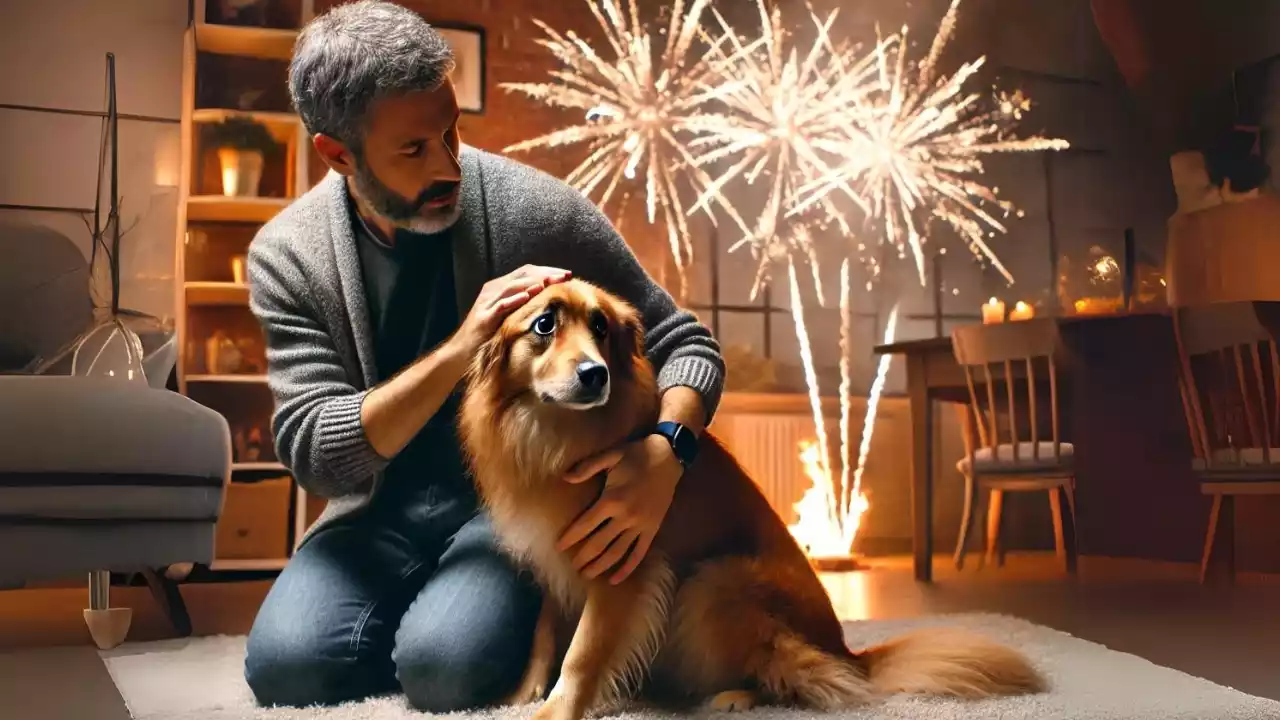
Helping fearful dogs gain confidence is a journey that requires patience and the right approach. Helping fearful dogs gain confidence improves their quality of life and strengthens your bond.
Many dogs struggle with anxiety for various reasons, and as pet owners, it’s our responsibility to guide them towards a more confident state.
This guide explores effective strategies and essential tools to transform your timid pup into a self-assured, happy dog. We’ll cover everything from positive reinforcement methods to gradual exposure therapies, equipping you with the knowledge to help your four-legged friend overcome their fears and embrace life with newfound courage.
Every wag of a tail tells a story, but for some dogs, it’s a tale of fear. When you look into a fearful dog’s eyes, you see uncertainty and a deep desire for safety. They carry the scars of past traumas, making every step a challenge.
It’s heartbreaking to see, but you can change their story. By understanding their fears and guiding them with patience and love, you can be their beacon of hope. Knowledge is your key to helping a fearful dog find confidence. Learn how to support your dog with expert advice and practical tips that build trust and resilience.
Key Takeaways
- Understanding fearful dog behaviour is essential for building confidence.
- Identifying triggers can help you create a more secure environment.
- Establishing routines will decrease overall anxiety levels.
- Positive interactions foster trust and emotional safety.
- Desensitisation and counterconditioning are effective techniques.
- Creating safe spaces enables your dog to feel secure.
- Ongoing training sessions aid in forming positive associations.
Understanding Fearful Dog Behaviour
Fearful dog behaviour is complex and can show up in many ways. It’s important to know the signs and what might cause it. By watching your dog closely, you can spot behaviours that show they’re upset.
Common Signs of Anxiety in Dogs
There are many signs of anxiety in dogs. These can help you know when your pet is scared. Some common signs include:
- Cowering or hiding
- Panting excessively
- Refusing treats or food
- Freezing in place
- Excessive shedding
- Avoiding eye contact
- Seeking attention or reassurance
- Urinating inappropriately
- Engaging in playful behaviour in alarming situations
- Jumping up or bouncing off the walls
- Exhibiting fighting or fleeing actions
These signs are all about how dogs show fear. Knowing them is key to helping your dog feel safe.
Identifying Triggers That Cause Fear
Finding out what scares your dog is crucial. Shy dogs might be very scared of strangers, kids, or men. Different things can scare them in different ways. Watch how your dog acts in different situations.
Understanding what scares your dog helps you build their confidence. You can use special training to help them feel better. This training might include getting them used to scary things while rewarding them for good behaviour.
How to Help a Fearful Dog Gain Confidence
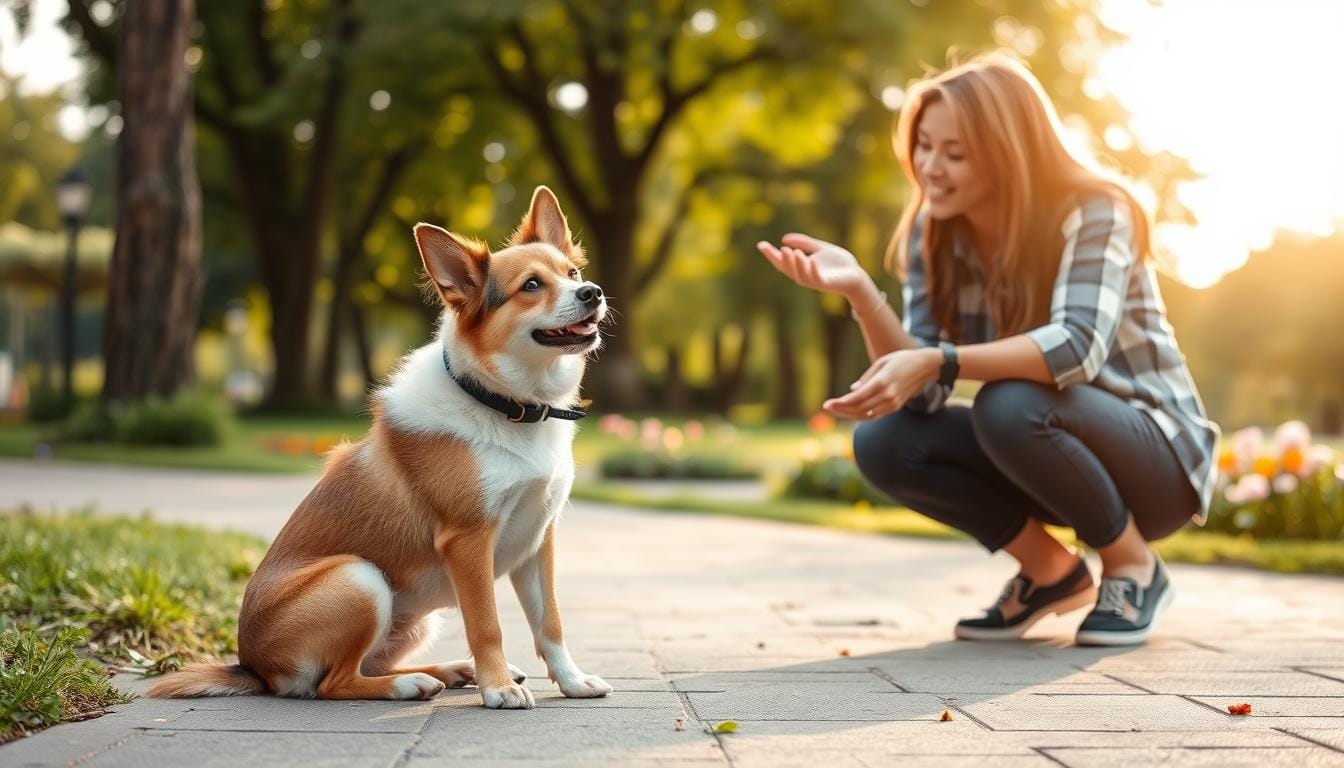
Creating a nurturing atmosphere is key to helping a fearful dog gain confidence. By making environments safe and predictable, you boost your dog’s well-being and reduce anxiety. Learning how to create safe spaces for dogs can greatly help boost their self-esteem.
Creating a Safe and Predictable Environment
Having a consistent daily routine is crucial in reducing anxiety. Predictable routines make your dog feel secure. Activities like regular playtime, puzzle games, and “Find It” games encourage exploration and comfort.
Using calming tools like ThunderShirts and special treats can also help dogs with chronic anxiety.
Establishing Routine to Alleviate Anxiety
Daily routines should include set times for meals, walks, and play. This gives a fearful dog a sense of direction. Activities like dog yoga can help relax and focus on yourself, boosting confidence.
Remember, dogs learn by observing. Having a confident dog around can positively impact a fearful dog’s behaviour. It helps build trust and assertiveness.
Building Trust with a Scared Dog
Building trust with a scared dog needs a gentle touch. It’s important to know what might have scared them. Dogs can be scared for many reasons, like their genes, not being socialised, past traumas, or health issues. Knowing these helps you handle them in a way that makes them feel safe and valued.
Respecting Your Dog’s Emotions
You must respect your dog’s feelings. Dogs get scared by loud noises or sudden actions. They like quiet places. Stress can make them more anxious and fearful.
Watching them carefully helps you know what scares them. Dogs can be scared of people who seem too big or if they didn’t meet many people when they were young. Let them decide when they want to interact, and don’t push them.
Engaging in Positive Interactions
Interacting with a fearful dog can be very rewarding. It helps build trust and a strong bond. Positive experiences make them more confident and eager to learn.
Use gentle actions and a calm voice to make them feel safe. A routine that includes fun activities helps them feel more secure and strengthens your bond.
| Technique | Description | Benefits |
|---|---|---|
| Gentle Approach | Rewarding desired behaviour with treats and praise. | Helps in diminishing fear and encourages openness. |
| Consistent Routine | Creating a predictable environment and schedule. | Reduces anxiety and promotes confidence. |
| Positive Reinforcement | Rewarding desired behavior with treats and praise. | Strengthens trust and encourages good habits. |
Understanding your dog’s feelings and interacting with them positively is key. Remember, building trust takes time. Your patience is crucial for your dog’s comfort and confidence.
Effective Positive Reinforcement Techniques

Helping fearful dogs requires using positive reinforcement techniques. These methods build trust and improve your dog’s happiness. By rewarding calm behaviour, you boost your dog’s confidence. This makes them feel safer around things that scared them before.
Rewarding Calm Behaviour
Consistently rewarding calm behaviour teaches your dog what’s good. This is key when working with fearful dogs, needing patience and effort. When they stay calm around triggers, give them a treat or praise. This reinforces their calmness in scary situations.
Experts say treats can create lasting positive feelings if given based on the environment. Facing scary situations with a treat or praise makes them less intimidating.
Using Treats to Create Positive Associations
Using treats in training helps build confidence in fearful dogs. Treats can change a dog’s negative view of triggers to a positive one. Techniques like desensitisation and counter-conditioning are helpful.
Desensitisation involves slowly introducing your dog to scary stimuli while rewarding calmness. Counter-conditioning uses treats after exposure to stressors to reinforce good behaviour. A structured training place, like puppy kindergarten, helps set rules and support the process.
By linking training with positive experiences, each step helps overcome fear and builds security.
Socialisation Strategies for Fearful Dogs
Helping fearful dogs feel more confident and comfortable is key. Start by introducing new things slowly. This helps reduce their anxiety and stress. It’s all about taking small steps and letting them learn at their own pace.
Introducing New Experiences Gradually
When introducing new things, do it slowly, best between 12-14 weeks. Puppies are more open to new things at this age. It helps them positively see the world. Even adult dogs can learn and grow with consistent practice.
Using Controlled Settings for Socialisation
Training in a safe space is crucial for your dog’s comfort. Choose places where they feel calm and can be watched closely. Try fun games and walks to help them feel good and bond with you. Training fearful dogs needs patience and understanding.
Setting Up Safe Spaces and Comfort Zones for Dogs
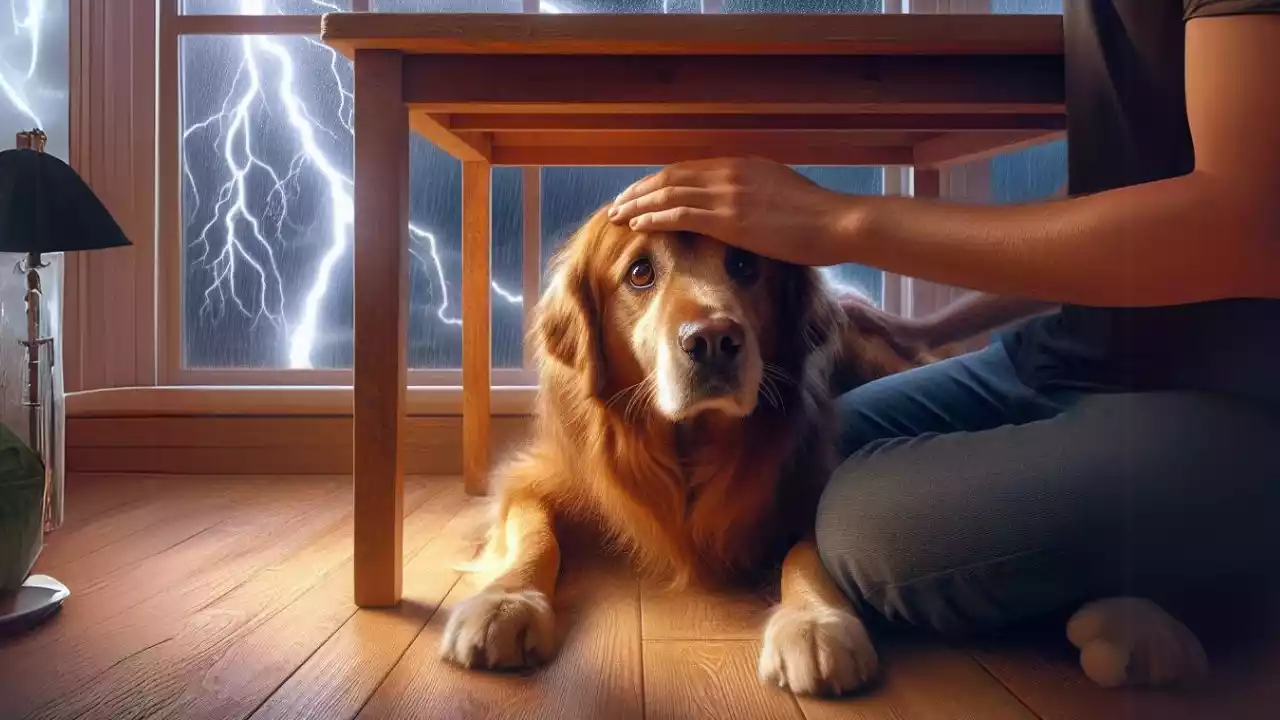
Creating safe spaces for dogs is key to managing their anxiety. These areas offer a sense of security. They become a refuge for your dog, a place to retreat during stressful times. To make an effective safe space, consider your dog’s needs and preferences.
Creating a Refuge for Your Dog
Think of a safe space as an extension of your dog’s crate, if they’re crate-trained. It should be quiet, away from loud noises like thunderstorms or fireworks. These noises often scare dogs. Make sure the space is comfortable with good bedding and the right temperature. This creates a cosy atmosphere.
Feed your dog in this area to link it with positive experiences. Use a spill-proof water bowl to avoid messes and stress.

Utilising Comfort Objects and Calming Aids
Add comfort objects like blankets or favourite toys to your dog’s safe space. These items offer extra security. Calming aids, such as CDs or playlists, can also reduce stress levels. Safe chew toys and gentle activities keep your pet engaged in their refuge.
When setting up this area, watch out for hazards. Dog-proof the space by removing trash, wires, and dangerous objects. Reward your dog for using their safe place to encourage its use as a comforting haven.
| Aspect | Details |
|---|---|
| Environment | Quiet, comfortable, and away from stressors |
| Bedding | Soft, cozy options for relaxation |
| Food & Water | Provide in the safe space to create positive associations |
| Comfort Objects | Toys and blankets to enhance security |
| Calming Aids | Soothing music playlists for stress reduction |
| Dog-Proofing | Remove hazardous items |
Training Tips for Fearful Dogs
Helping your fearful dog needs special methods. These methods help build confidence and reduce anxiety. Using desensitisation and counterconditioning can make a big difference. These techniques help ease fears and build confidence through positive interactions.
Incorporating Desensitisation and Counterconditioning
Desensitisation involves slowly exposing your dog to things that scare them. This is done at a low intensity. Pairing this with positive reinforcement helps change how your dog feels about their fears.
When your dog gets treats or affection during these times, they start to see scary situations as good. Start with a safe distance to avoid overwhelming them. This lets them adjust slowly.
“Avoid forcing your dog into confrontational situations, as it can heighten their anxiety. Maintain a slow approach while keeping the focus on positive experiences.”
Utilising Simple Training Exercises at Home
Doing confidence-building exercises at home is safe and effective. Simple activities like obedience training and agility exercises help build trust and calmness. Regular routines, like playtime and feeding, also reduce stress.
Introduce your dog to calm, non-reactive dogs in controlled environments. This socialisation boosts confidence and reinforces good behaviour.
Building Confidence Through Calming Aids
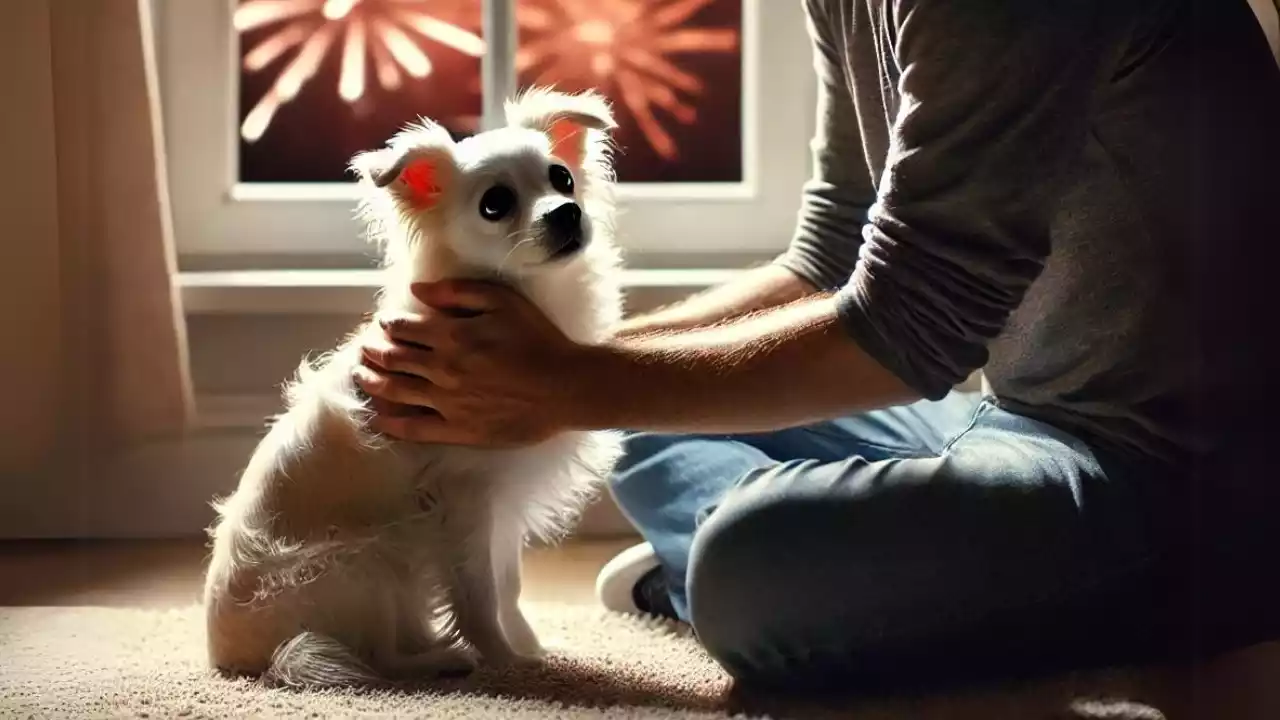
Calming aids and products are key for anxious dogs. They help manage stress in furry friends. Knowing your options is crucial for your dog’s well-being.
Exploring Medication Options for Severe Dog Anxiety
For severe anxiety, medication might be needed. Always talk to a vet for the right meds. They might suggest Selective Serotonin Reuptake Inhibitors (SSRIs) or Tricyclic Antidepressants (TCAs).
These help with anxiety symptoms. Medication works best with training. Dogs can get better with the right meds and help from experts.
Choosing Natural Calming Products
For a natural approach, many options exist. Herbal supplements like Chamomile and Lavender help relax dogs. dog-appeasing pheromone (DAP) diffusers also calm dogs with their scent.
Using these products with training can help. Remember to watch your dog’s reaction to new things. If problems arise, talk to a vet.
Patience and Consistency in Dog Training
Training a fearful dog needs patience and consistency. This creates a safe space for the dog to feel secure and confident. Training should move at a steady pace, making sure each step is easy for the dog. Rushing can cause setbacks, but going slow helps make lasting changes.
Studies show that fearful dogs trained with harsh methods may lose confidence. This is true when they face new things and places. So, using gentle training methods is key to success.
The Importance of Slow Progress
Slow progress is vital in training. Trying new things without stressing the dog can help. Shy dogs might not react right away, so it’s important to stay calm and patient.
It’s common for shy dogs not eat at first in a new home. They might prefer treats. A routine helps them learn. A safe space lets them explore at their own speed, boosting their confidence.
Maintaining a Supportive Approach
Using supportive training methods makes the dog feel respected and understood. Dogs may bite if pushed too far, so it’s best not to force them into scary situations. Positive reinforcement is better, as it encourages good behaviour.
Training with low-pressure methods builds confidence and strengthens the bond with your dog. Getting help from a professional trainer can also make training better.
| Training Approach | Benefits | Considerations |
|---|---|---|
| Correction-based Training | Quick obedience results | May lead to decreased confidence |
| Positive Reinforcement Training | Fosters a well-behaved dog | Desensitisation and Counterconditioning |
| Desensitization and Counterconditioning | Helps with emotional response changes | Requires time and consistency |
Identifying Common Causes of Fear in Dogs
Understanding why dogs are afraid is key to helping them. Many dogs are scared by things around them. Knowing what scares them helps us help them better.
Understanding Past Trauma and Its Impact
Dogs can be scared because of past bad experiences. These experiences can make them afraid of similar things later. Signs of fear include rolling over, tucking their tails, or hiding.
Knowing about their past helps us be patient. We can create a safe and supportive place for them.
Recognising Lack of Socialisation Effects
Not being socialised can really affect dogs. Not meeting new people, places, or animals can make them anxious. They might get scared of new sounds or sights because they haven’t seen them before.
Using positive methods, like introducing them to calm friends, can help. Slowly introducing them to new things can also help them feel more at ease. Having a plan for socialisation can help reduce their fears.
Uear, hold your furry friend back any longer. Start your journey to a happier, more confident dog today!
🌟 Help Your Fearful Dog Build Confidence—Gently & Naturally

If your dog struggles with fear, anxiety, or low confidence, traditional training methods can actually make things worse. That’s why thousands of dog owners trust Brain Training for Dogs, created by CPDT-KA certified professional trainer Adrienne Farricelli.
🧠 Why Brain Training for Dogs Works for Fearful Dogs:
- ✅ 100% force-free & fear-free methods (no dominance, no punishment)
- ✅ Uses mental stimulation games to replace fear with confidence
- ✅ Targets the root cause of anxiety, not just surface behaviour
- ✅ Step-by-step guidance from a certified professional dog trainer
- ✅ Proven to improve confidence, calmness, focus, and obedience
- ✅ Perfect for shy, nervous, reactive, or anxious dogs
🐶 Many owners report visible confidence improvements in days, not months.
👉 Click here to start Brain Training for Dogs and help your dog feel safe, calm, and confident again
(One-time access • Risk-free • Backed by a 60-day money-back guarantee)
Conclusion
Helping fearful dogs gain confidence is a journey that needs patience and understanding. It’s important to recognise signs of anxiety like tail tucking and lip licking. Positive reinforcement training helps build trust and aids in your dog’s recovery.
Remember, progress may be slow, and there will be ups and downs. Providing a predictable routine and a safe space helps your dog emotionally and socially. Agility training or obedience exercises can also strengthen your bond and help your dog face fears.
If challenges come up, getting help from a professional trainer or behaviourist can speed up your dog’s journey. With these insights and methods, you can positively impact your dog’s life. This will lead to a more confident and enjoyable companionship.
FAQ
What are common signs of anxiety in fearful dogs?
Signs of anxiety in dogs include cowering and panting. They might also shake, bark too much, or refuse treats. Dogs may hide or seek comfort from their owners.
How can I identify triggers that cause fear in my dog?
Watch your dog in different situations to find what scares them. Note what causes them distress, like loud noises or new people. Start by reducing their exposure to these things.
What strategies can I use to help my fearful dog gain confidence?
Create a safe and predictable space for your dog. Stick to a routine and use positive reinforcement. Slowly introduce new experiences to help them feel more confident.
How important is it to respect my dog’s emotional state?
It’s very important to respect your dog’s feelings. Forcing them into scary situations can make things worse. Let them set the pace to build trust and strengthen your bond.
What are some effective positive reinforcement techniques for fearful dogs?
Reward calm behavior with treats or praise. This helps your dog associate positive things with what scares them. Timing and appropriateness are key for successful training.
How should I approach socialisation for my fearful dog?
Start new experiences slowly and in a safe place. Be patient and let your dog get used to things without feeling overwhelmed.
What can I do to create safe spaces for my dog?
Make a cosy spot in your home where your dog can feel safe. Add blankets and favourite toys. You can also use calming aids to help with anxiety.
Are there training tips for fearful dogs?
Yes, use desensitisation and counterconditioning. Start with small steps to build confidence without stressing your dog out.
What calming aids can help with severe dog anxiety?
Options include natural supplements and pheromone diffusers. Sometimes, medication is needed. Talk to your vet about what’s best for your dog.
Why is patience and consistency important in training fearful dogs?
Patience and consistency are key because change takes time. Slow progress helps create a supportive environment for learning and growth.
What are some common causes of fear in dogs?
Fear can stem from past traumas, lack of socialisation, or bad experiences. Knowing the cause helps you find the right way to help your dog.


