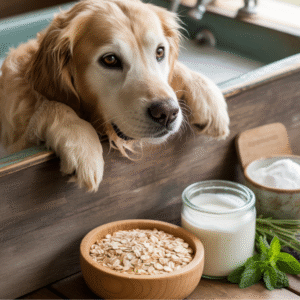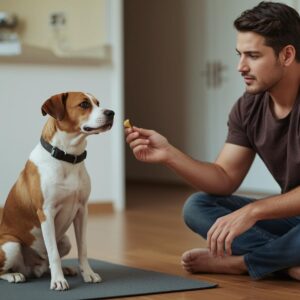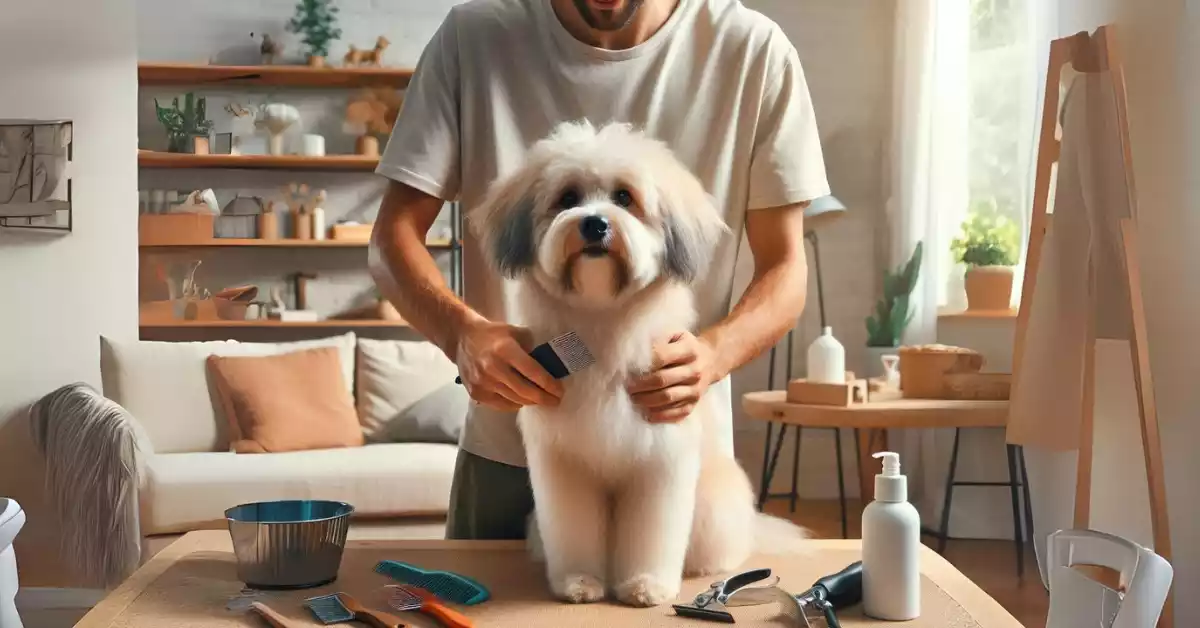
Grooming a difficult dog at home can be a challenging task for many pet owners. If your furry friend dislikes being groomed, it can lead to stress for both you and your dog. In this post, we’ll share expert tips and techniques to help you groom a difficult dog at home with ease. By using the right tools and strategies, you can make grooming a positive experience and keep your dog looking and feeling great. Let’s dive into these helpful tips to make grooming easier for both you and your beloved pet!
Ever felt your heart racing at the thought of bath time or a nail trim for your dog? It’s a common fear for many pet owners. Grooming can feel like a battle, leaving you and your dog tired and stressed. But there’s a way to make grooming easier and more enjoyable for both of you.
Learning to groom your dog at home can improve their look and strengthen your bond. With the right techniques, grooming can become a special time of connection and care. It also boosts your dog’s health.
Did you know ~85% of dog owners groom their pets at home to save money? Many pet owners look for ways to care for their pets efficiently. Grooming stubborn dogs might take patience, but it’s worth it. You can reduce shedding, prevent matting, and make grooming a comforting experience for your dog.
With some expert tips, you can handle grooming challenges with confidence. Turn your dog’s grooming into a fun bonding activity.
Key Takeaways
- Regular grooming enhances your dog’s health and strengthens your bond.
- Identifying triggers of anxiety is crucial for a stress-free grooming session.
- Cost-effective home grooming can be done with the right tools and techniques.
- Calming aids can help ease your dog’s anxiety during grooming.
- Positive reinforcement is essential to train your dog to enjoy grooming.
- Patience is key; changing your dog’s perception of grooming takes time.
Understanding the Importance of Grooming
Grooming is key to your dog’s health and happiness. It keeps their skin and coat in top shape. This also lowers the chance of infections and lets you catch any health issues early.
Long-haired dogs need a full groom every 4-8 weeks to avoid mats and discomfort. Even short-haired dogs should get a bath every month to keep their coat healthy.
Dog grooming also helps with dental care. Brushing your dog’s teeth up to twice a day can stop gum disease. Small dogs are more likely to have dental problems because of their tight teeth, making regular oral care crucial.
Knowing how to groom anxious dogs can make grooming sessions easier. The grooming area can be stressful for many dogs. About 88% of dogs feel overwhelmed by grooming settings. Understanding this can make your dog feel more at ease during grooming.
Identifying Triggers That Cause Anxiety in Dogs
It’s important to know what makes your dog anxious during grooming. Some dogs get upset by the sight of grooming tools or the sound of clippers. They might also be upset by bad experiences in the past. Understanding these triggers helps you make grooming better for your dog.
Signs of anxiety in dogs include panting, whining, and shaking. These show that your dog is stressed or scared. In some cases, grooming can even make dogs sick. Handling sensitive areas like the face, ears, and paws can make things worse.
To ease their anxiety, train your dog at home. Get them used to a gentle touch before grooming. Use calm words and rewards to make them feel better. Make grooming a positive experience by linking it to fun activities like treats or play.
Also, try using tools that help dogs relax during grooming. Silent clippers, facial wipes, and calming masks can be very helpful. Knowing what makes your dog anxious can help you find better ways to groom them.
How to Groom a Difficult Dog at Home
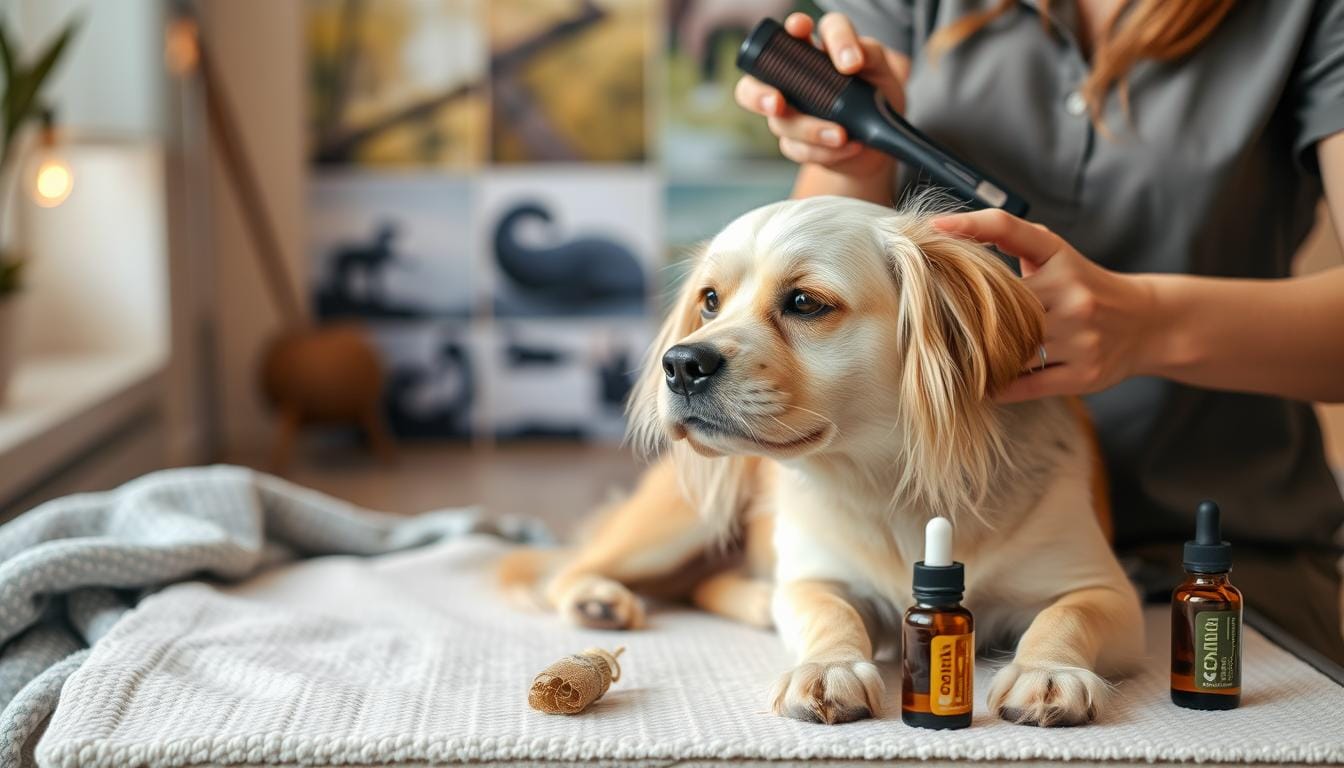
Grooming a difficult dog at home needs patience, consistency, and the right techniques. It’s key to develop a grooming routine to build trust with difficult dogs. Begin with short sessions and slowly increase the time as your dog gets used to it.
Make grooming a positive experience to help your dog relax. A calm environment is crucial for both you and your dog. It reduces stress and makes grooming easier.
Building Trust Through Routine Grooming
Building trust means consistently grooming and using grooming techniques for rescue dogs effectively. Short sessions and a steady pace help your dog adjust. Treats and assistance during grooming or bathing are highly valued by many.
Positive reinforcement, like praise and treats, encourages calm behaviour. This makes grooming sessions more enjoyable for both you and your dog.
Using Positive Reinforcement Techniques
Positive reinforcement is essential in dog grooming. Give treats and affection when your dog remains calm or allows grooming. Staying calm during grooming is crucial for a better experience for both.
This method promotes relaxation and strengthens your bond with your dog over time.
Choosing the Right Tools for Grooming Difficult Dogs
Choosing the right grooming tools for difficult dogs is key to a smooth grooming session. Quality grooming tools can make grooming faster and more effective. It’s important to pick tools that fit your dog’s coat type and grooming needs.
Essential Grooming Equipment
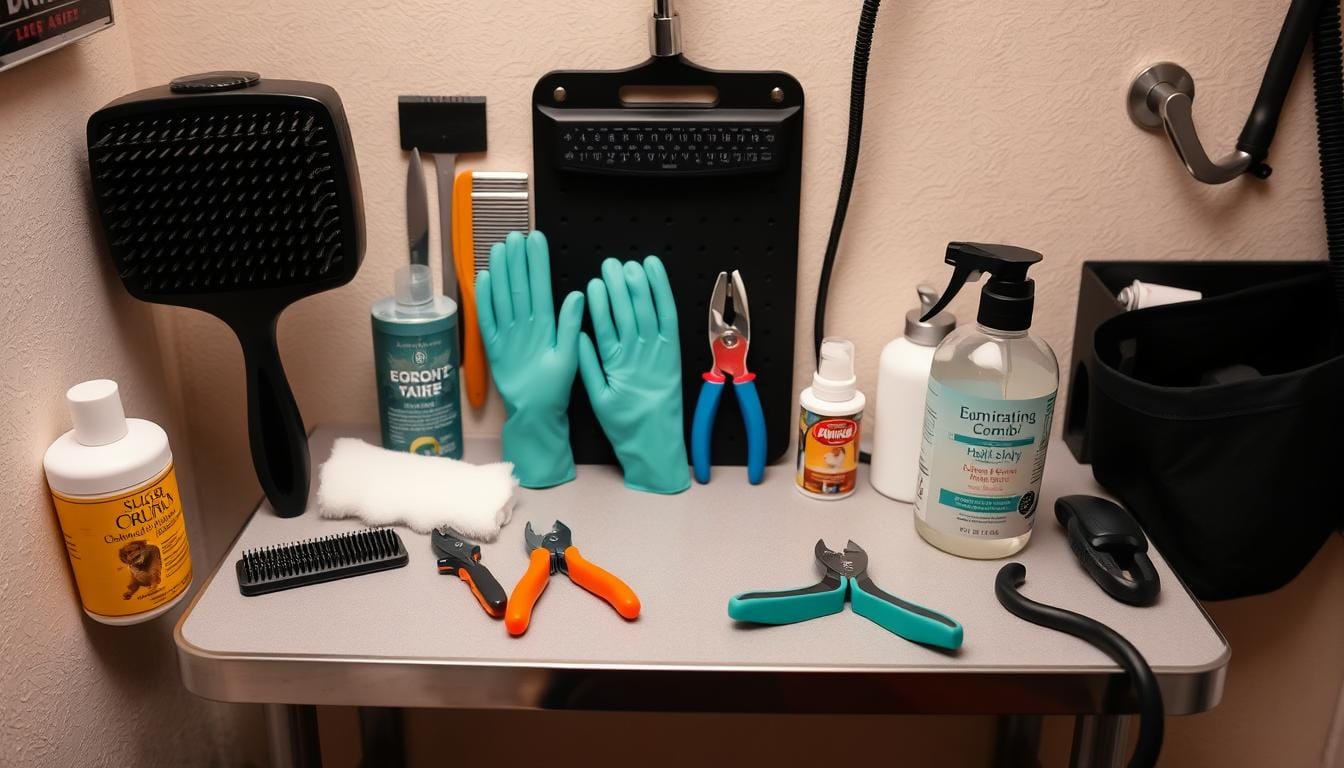
A good home grooming kit for difficult dogs should have the basics:
- Slicker Brushes: Great for detangling and removing loose hair in medium to long coats.
- Bristle Brushes: Spread natural oils for a shiny coat.
- Combs: Use Medium/Coarse Combs for fluffing and de-shedding. Fine/Coarse Combs are good for quick grooming on finer coats.
- Demating Combs: Cut through mats in hard-to-reach areas.
- Nail Clippers: Trim nails at a 45° angle for best results.
Best Grooming Supplies for Anxious Dogs
For anxious dogs, using dog grooming anxiety products helps. Keep these calming aids ready:
- Thundershirts: Can help calm your dog.
- Dog-Appeasing Pheromones: Make grooming sessions more relaxing.
- Grooming Tables with Safety Harnesses: Keep your dog safe and secure during grooming.
Using the right professional dog grooming tools for home use meets grooming needs and reduces anxiety. This makes grooming a better experience for both you and your dog.
Choosing the correct dog brush is vital for the health, condition, and comfort of a dog’s skin and coat.
Remember, the right tools reduce stress. This makes grooming more efficient and enjoyable.
Preparing Your Dog for Grooming Sessions
Getting your dog ready for grooming is about using calming aids and techniques. These help ease their anxiety. Gentle touch or soothing music can make the environment stress-free and relaxing.
Calming Aids and Techniques
For calming your dog during grooming, think about herbal supplements or pheromone sprays. Always talk to a vet before using any new products. These aids should be given before grooming to help manage anxiety.
Using these calming aids regularly can make your dog more comfortable during grooming.
Creating a Comfortable Grooming Environment
A calm grooming environment is crucial for a good grooming session. Pick a quiet room with a non-slip surface to keep your dog safe. Adding familiar items like a favourite blanket or toy can make the space more welcoming.
A positive atmosphere during grooming at home makes your pet feel more at ease. It also helps them cooperate better.
Techniques for Successfully Bathing a Resistant Dog
Bathing a resistant dog can seem tough, but the right methods can make it easier. Start by setting up the bathing area and getting all the needed supplies. This includes dog-specific shampoos and a non-slip mat to keep your dog safe.
When bathing a resistant dog, start with small amounts of water and use warm water to avoid scaring them. Using treats or toys can help distract your dog and reduce stress. About 80% of dog owners try to bathe their dogs at home between professional visits.
Before the bath, brush your dog’s coat well. This helps prevent matting and makes the bath smoother. Professional groomers brush and comb before baths in 90% of cases. Dogs that love the outdoors might need baths more often, as about 75% of dogs need regular baths based on their coat and activity level.
Next, pick high-quality dog shampoos, avoiding human shampoos because of pH differences. About 60% of groomers recommend using salon-quality products over cheaper brands. Cleanliness also means rinsing well to avoid skin problems.
To show the best bathing practices, here’s a table:
| Technique | Description | Importance |
|---|---|---|
| Temperature Control | Use warm water to keep your dog comfortable. | Reduces stress during bath-time. |
| Gradual Introduction | Introduce water slowly and calmly. | Helps your dog adjust without fear. |
| Proper Shampoo | Use dog-specific shampoos, ideally diluted. | Maintains coat health and avoids skin issues. |
| Thorough Rinsing | Rinse completely to prevent residue. | Prevents skin irritation and maintains coat shine. |
For the best results, take your time during the bath. Focus on your dog’s comfort and needs. Following these tips will make bath time better for both of you.
Brushing and Dealing with Matted Fur
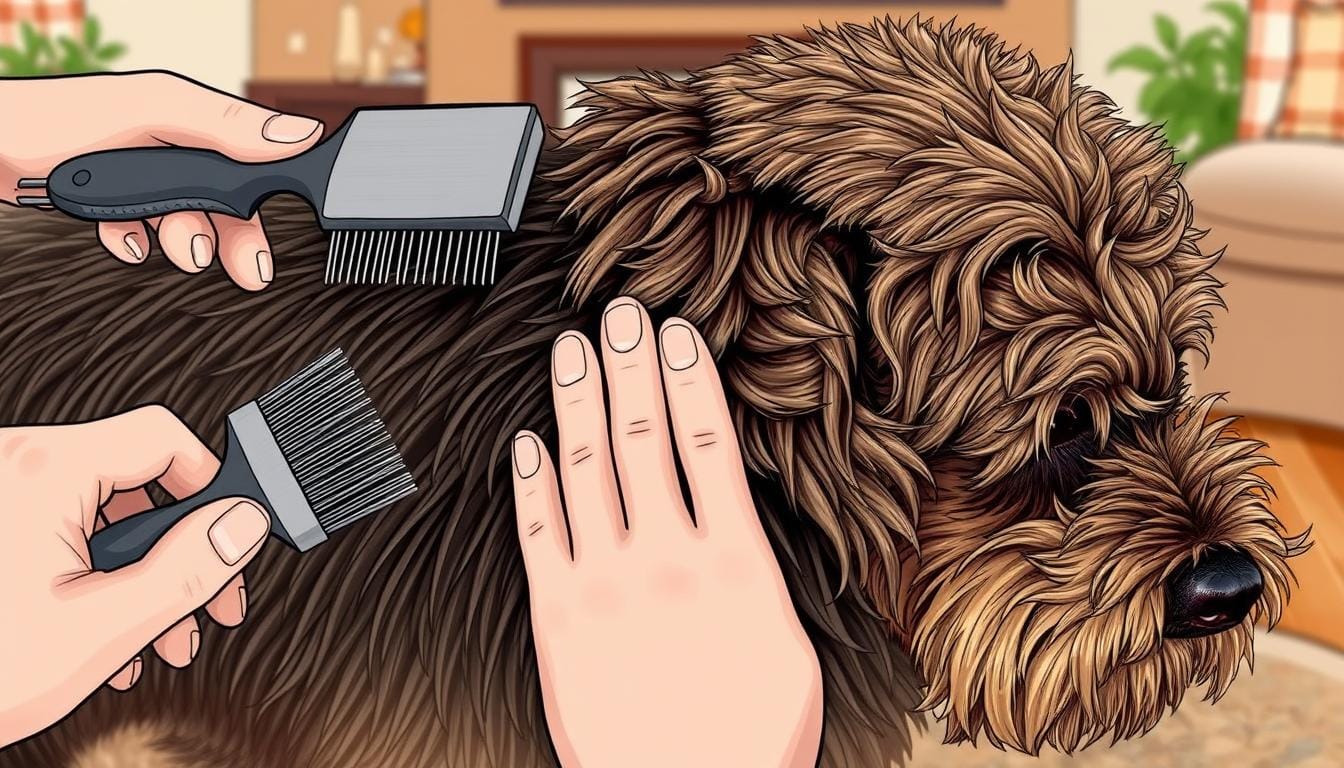
Dealing with matted fur needs patience and the right dog brushing methods. Knowing how to handle matted fur can prevent stress for both you and your dog. The ASPCA warns that matted hair can cause serious health issues, like infected skin or strangulation. It’s important to brush your dog’s fur at least once a week to avoid mats.
Begin with a slicker brush to gently untangle hair, section by section. Dogs with long hair need daily brushing, more so during shedding season when mats are common. Using brushing techniques for matted dog fur, like massaging knots with cornstarch, can help. Brush in both directions to avoid hurting your dog.
For severe mats, clippers with rounded edges are best. They safely remove matted fur that’s hard to detangle. Detangling sprays can help, but avoid using scissors to prevent injuries, such as around sensitive areas like the ears. If the mats are too tough, getting help from a professional groomer is a good idea for dogs that don’t like grooming.
Nail Trimming Tips for Uncooperative Dogs
Nail trimming is key for pet care, but it’s tough with uncooperative dogs. Knowing about dog nail anatomy and safe trimming is crucial. Using nail grinders can be less scary than clippers for your dog.
Using Nail Grinders Safely
Nail grinders help smooth out your dog’s nails safely. Start by getting your dog used to the grinder’s sound and feel in a calm place. Rewarding your dog with treats can help them stay calm.
Trim nails slowly, one at a time, and stop if your dog gets upset. A Dremel might be safer than clippers for anxious dogs. Sometimes, it’s best to hire a pro.
Understanding the Quick in Dogs’ Nails
Knowing where the quick is in your dog’s nails is key to avoiding pain. For light nails, trim just before the quick starts. For dark nails, stop when you see a black dot.
Long nails can hurt and cause infections. Handling their paws often helps. Start gently touching their feet during play to make nail trimming easier.
Be patient. Trimming all nails might take days. Try different positions to see what works best for your dog. Always use sharp clippers and follow safe techniques.
Safe Grooming Practices for Dogs with Behavioural Issues
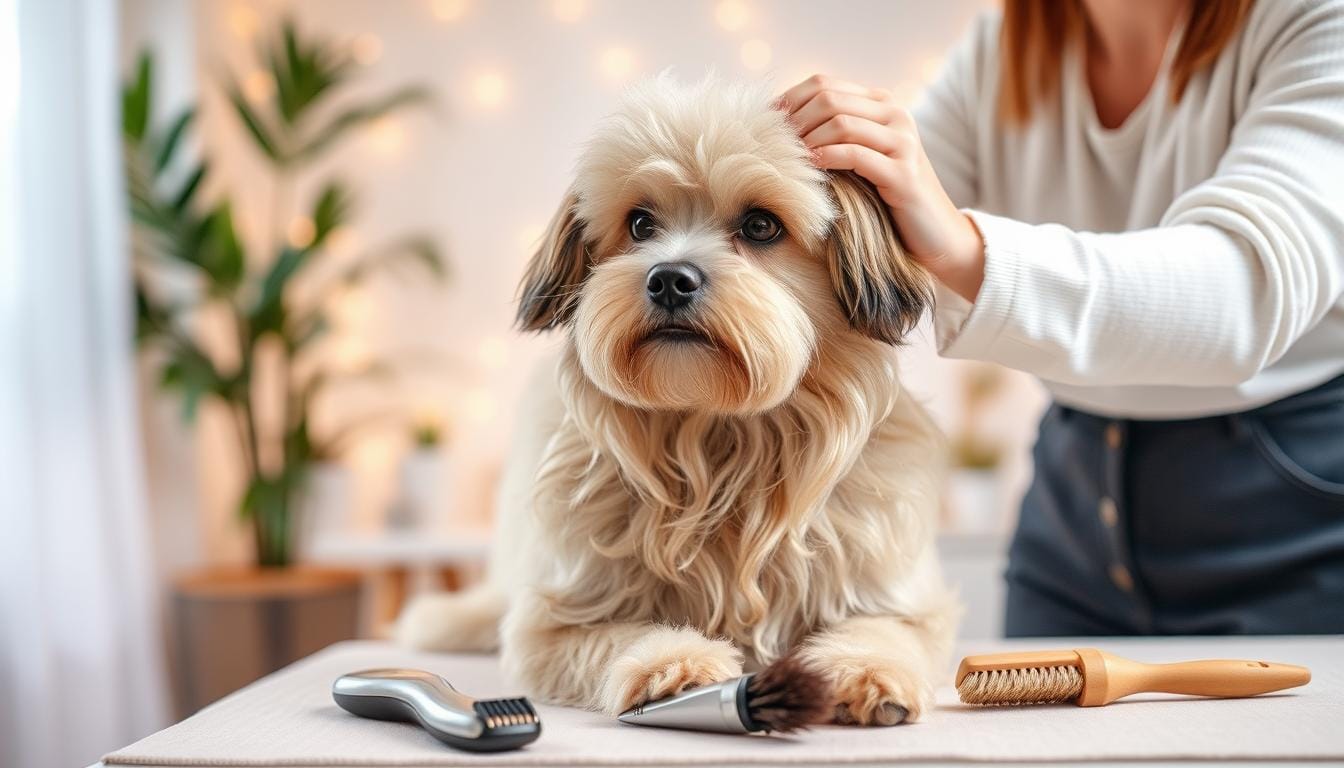
Safe dog grooming is key for dogs with behavioural problems. It’s important to know when a dog is anxious or aggressive. Signs include loud barking, mouthing, showing teeth, or growling. Past experiences can cause these reactions, so patience and understanding are crucial.
Using special restraints for grooming can make your dog feel safe. It also lets you groom them safely. Giving clear signals for breaks can make grooming better. Positive rewards can help calm your dog and make them more cooperative.
Understanding dog behavior and psychology is important. Knowing body language helps you meet their needs. Learning more about grooming makes you a respected leader to your pet.
Not every dog fits well in a grooming salon. Knowing your dog’s behaviour is key to grooming them right. Experienced groomers might not work with difficult dogs if needed.
Managing aggressive dogs during grooming can involve many strategies. These might include muzzles, medications, or special jackets. Preparing ahead of time helps create a calmer setting.
| Behavioral Issue | Grooming Technique | Safety Measure |
|---|---|---|
| Fear | Introduce grooming tools gradually | Use calming aids and soft restraints |
| Anxiety | Positive reinforcement throughout the session | Consider anxiety-reducing jackets |
| Aggression | Break grooming into short sessions | Use muzzles if necessary for safety |
How to Calm Your Dog During Grooming
Grooming can be stressful for dogs, but you can use calming techniques for dog grooming sessions to ease it. Signs of anxiety include whining, panting, and fast breathing. Watch for these signs. Start grooming when your dog is young to make it a positive experience.
Before grooming, try to tire your dog out with long walks or playtime. This can lower their anxiety. If your dog shows signs of anxiety, speak softly and give them breaks. Desensitisation training helps dogs get used to being handled in sensitive areas.
Use distractions like peanut butter treats or toys during grooming. They keep your dog’s mind off the process. Aromatherapy, like lavender, can also calm them down. Make sure your grooming area and car rides are calm to reduce stress.
Always use positive reinforcement. Treats and praise help teach good grooming habits. This approach calms your dog and builds trust, making grooming more comfortable.
Struggling to Groom a Difficult Dog? Fix the Root Cause—Not Just the Symptoms
If your dog growls, panics, snaps, or refuses grooming, the real problem isn’t grooming—it’s how your dog’s brain reacts to stress.
That’s exactly what Brain Training For Dogs by Adrienne Farricelli is designed to fix.
✅ Why Thousands of Dog Owners Swear by This Program:
- 🧠 Calms anxious, aggressive, and stubborn dogs naturally
- ✂️ Makes grooming, nail trimming & brushing stress-free
- 🐕 Scientifically backed brain games (no force, no punishment)
- 👩⚕️ Created by a CPDT-KA certified professional dog trainer
- 🏠 Works for all breeds, ages & problem behaviours
- ⏱️ Quick daily exercises—no long training sessions
💡 When your dog’s mind is calm and focused, grooming becomes easy, safe, and peaceful—even at home.
👉 Click here to access Brain Training For Dogs and turn grooming time into calm bonding time
(One-time access • Safe • Trusted by dog owners worldwide)
Conclusion
Grooming a difficult dog at home might seem tough, but it’s doable with the right approach. A consistent grooming routine builds trust and makes grooming a positive experience. Always put your dog’s comfort and safety first during grooming.
Positive reinforcement is key to improving your dog’s behaviour during grooming. Use treats, praise, and a calm space to reduce stress. Home grooming can also save money, which is great for bigger or thicker-coated breeds.
Learning different grooming techniques and tailoring them to your dog’s needs makes grooming enjoyable. By following these tips, you can make grooming a positive experience that strengthens your bond. This way, grooming becomes something you both look forward to.
FAQ
What tools should I use for grooming a difficult dog at home?
You’ll need a slicker brush, a metal comb, and clippers with sharp blades. Also, get high-quality nail clippers. It’s important to pick tools that fit your dog’s coat type to avoid injury.
How can I calm my anxious dog during grooming sessions?
Use calming aids like herbal supplements or pheromone sprays. Keep the area quiet and handle your dog gently. Reward them with treats and praise to make grooming positive.
What are some effective techniques for bathing a resistant dog?
Prepare a warm water area and use dog-specific shampoos. Start by getting your dog used to water slowly. Use toys and treats to make the bath more enjoyable.
How do I properly trim my dog’s nails without causing pain?
Use nail grinders to smooth nails slowly. Know where the quick is by looking at your dog’s nails. Trim carefully to avoid pain or bleeding.
What are some signs of grooming anxiety in dogs?
Look for signs like panting, trying to escape, or growling. Recognising these behaviours helps you calm your dog during grooming.
How can I address matting in my dog’s fur?
Use a slicker brush to gently untangle fur. For tough mats, use clippers carefully. Regular brushing keeps your dog’s coat healthy and prevents matting.
What is the best way to create a comfortable grooming environment?
Choose a quiet room with a non-slip surface. Add familiar items like blankets or toys. This makes your dog feel safe during grooming.
How often should I groom my difficult dog at home?
Grooming frequency depends on your dog’s breed, coat, and activity level. Most dogs need grooming every 4-6 weeks. Dogs with long coats may need more frequent grooming to avoid mats.
What calming aids can I use for grooming an aggressive dog?
Consider Thundershirts, dog-appeasing pheromones, and anti-anxiety supplements. Always check with a vet before trying new products to ensure they’re safe for your dog.
How can I use positive reinforcement during grooming?
Reward your dog with treats, praise, and affection when they’re calm or let you groom them. This builds a positive association with grooming and can improve their behaviour over time.