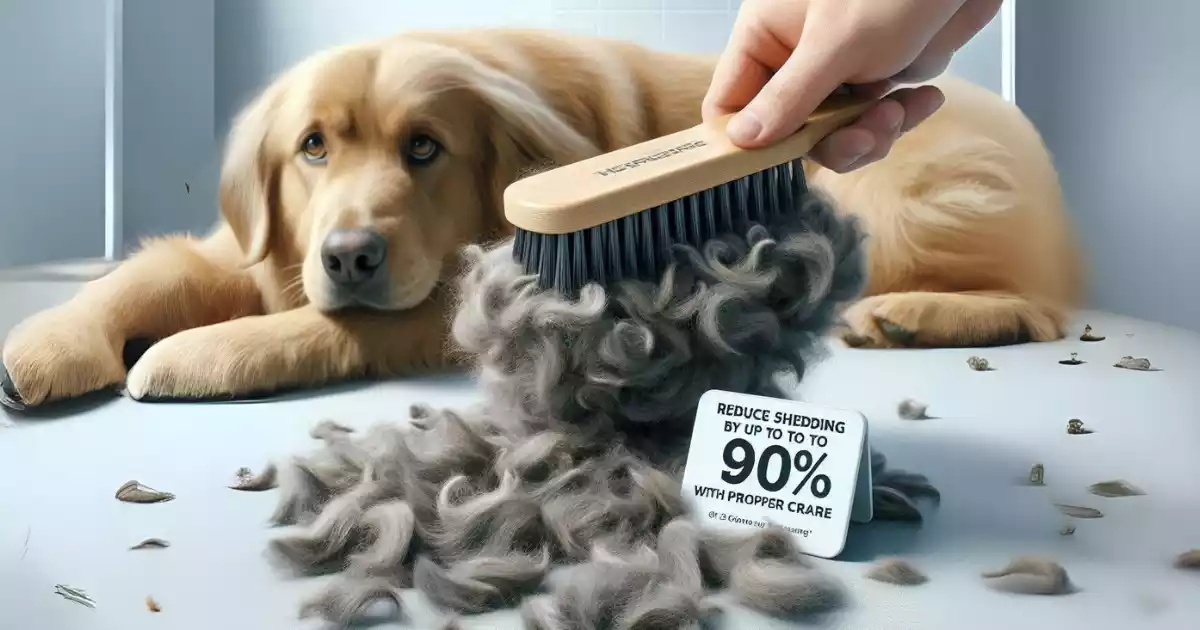
As a devoted dog owner, fighting shedding can feel endless. It’s the constant lint rolling or vacuuming that’s tough. But there are natural home remedies to help manage your dog’s shedding and keep your home clean.
Shedding is normal for dogs, except for hypoallergenic breeds. Some dogs shed all year, others seasonally, and a few hardly shed at all. Knowing your dog’s shedding pattern is key to solving the problem.
Key Takeaways
- Shedding is a normal part of dog life, but some breeds shed more than others.
- Proper grooming, bathing, and dietary supplements can help reduce excessive shedding.
- Natural home remedies like olive oil and molasses can be effective in controlling dog shedding.
- Addressing underlying health issues can also help minimise excessive shedding.
- Investing in the right grooming tools and vacuum can make a significant difference in managing dog hair around the house.
In this article, we’ll look at home remedies and natural solutions to stop dog shedding. We’ll cover brushing techniques, dietary supplements, and more. Our goal is to help you tame your dog’s coat and keep your home fur-free.
Understanding Dog Shedding
As a dog owner, you might have seen your pet’s coat change with the seasons. This is a natural process that keeps their coat healthy and balanced. It helps them stay warm or cool, depending on the weather.
Why Do Dogs Shed?
Dogs shed to control their body temperature. Their fur acts like a built-in thermostat, keeping them warm in winter and cool in summer. Shedding also helps remove dead fur, keeping their coat looking silky and smooth.

Factors Affecting Dog Shedding
Several things can affect how much your dog sheds, like the seasons, allergies, and health issues. Regular grooming, like brushing daily, can help manage shedding. Using dog shampoo that’s safe for pets can also prevent their coat from drying out and reduce shedding.
A diet full of proteins and Omega-3 fatty acids can cut down on shedding. Omega-3 and Omega-6 fatty acids from fish oil can also help. Keeping your dog hydrated is key, as it prevents dry skin and shedding.
Allergies often cause dogs to shed more, and treating these can help. Regular vet visits can spot health problems like allergies or hormonal imbalances that lead to shedding. Some breeds, like German Shepherds and Huskies, tend to shed more because of their double coats.
Knowing why dogs shed and what affects it can help you manage their coat. This keeps your home clean and comfortable for both you and your pet.
Signs of Excessive Shedding

Dogs naturally shed throughout the year. But if they shed too much, it might mean they have health issues. Watch for signs your dog is shedding too much. This could mean they need better grooming or health care.
Seasonal Changes
Many dogs shed more in spring and fall. This is because of the weather and daylight changes. But if your dog sheds too much or for too long, there might be other reasons.
Allergies and Health Issues
Allergies causing increased dog shedding or health problems linked to excessive dog hair loss can happen all year round. Food allergies, environmental allergies, skin problems, and hormonal issues can all cause too much shedding. If your dog sheds a lot and shows other symptoms, see a vet to check for health problems.
“Abnormal or excessive shedding in dogs can indicate underlying health issues like parasites, infections, allergies, organ conditions, hormonal imbalances, pregnancy, medications side-effects, anxiety, cancer, immune diseases, sunburn, or irritants.”
Keep an eye on your dog’s shedding and any other signs. This way, you can tell if it’s too much and find the cause. Regular grooming, a good diet, and vet visits can help with too much shedding and keep your dog’s coat healthy.
Brushing: A Simple Solution
Effective brushing to reduce dog shedding is key to your dog’s grooming. Regular brushing catches loose fur before it spreads around your home. Choose a brush that fits your dog’s coat type for the best results. A de-shedding tool made for your dog’s coat can also make a big difference.
The brushing routine for less dog hair varies depending on how much your dog sheds. Some dogs need daily brushing, while others might only need it weekly or monthly. Brushing regularly, no matter the frequency, can greatly minimise shedding.
| Brush Type | Recommended for |
|---|---|
| Rubber Curry Comb | Dogs with short coats |
| Undercoat De-matting Rake | Dogs with long or thick coats |
| Shedding Blade | Dogs with long or thick coats |
Brushing not only keeps your dog’s coat healthy but also strengthens your bond. So, include brushing in your how often to brush dogs to minimise shedding. Enjoy a happier, healthier, and less-shedding pup.
Bathing for Coat Maintenance
Bathing is a key part of keeping your dog’s coat in check. Brushing removes loose fur, but bathing helps cut down on hair around your home.
Dog Shedding Shampoos
Use dog shampoos made for shedding to help. They have omega-3 and 6 fatty acids, Calendula extract, and papaya leaf extract. These ingredients make the skin and coat healthy, reducing loose hair. Oatmeal-based shampoos also soothe the skin and remove extra fur.
Bathing most dogs every two to four weeks is good. Long-haired breeds might need baths more often. Regular grooming, like brushing and trimming, helps too.
Managing shedding is a big job for long-haired or heavy-shedding breeds, like Golden Retrievers. Poodle owners might only deal with more shedding in spring and fall. Bathing your dog regularly keeps their coat healthy and reduces hair around your home.
Regular grooming, including baths, is a great way to bond with your dog. It helps manage shedding and strengthens your bond with your furry friend.
Dietary Approaches

Your furry friend’s diet is key to a healthy coat and less shedding. Some breeds, like German shepherds and huskies, shed more. But a good diet is important for all dogs to cut down on hair loss.
Beneficial Supplements
Supplements with omega-3 and omega-6 fatty acids help a lot. They keep the skin hydrated and the coat strong, fighting off shedding. These fatty acids also reduce inflammation and make the coat healthy.
Proteins are crucial for fur strength and growth. Sardine oil and hemp seed oil are great for reducing shedding in dogs.
A dog that drinks enough water has less dry skin and sheds less. A high-quality diet full of nutrients can greatly improve your dog’s coat. It also keeps your home fur-free.
“A balanced, high-quality diet is the foundation for a healthy, shiny coat and reduced shedding.”

How to stop dog shedding: home remedy
Excessive dog shedding can be frustrating. But there are natural home remedies to help. These include dietary supplements and grooming techniques. They can reduce dog hair without harsh chemicals.
Dietary Supplements for a Healthy Coat
Feeding your dog essential fatty acids like omega-3 and omega-6 helps. Supplements with fish oil or olive oil are good for dog shedding. Adding molasses to their food also helps reduce shedding.
Grooming for Coat Health
Regular brushing is a simple yet effective way to control shedding. It spreads natural oils, making the coat healthier and reducing shedding. Choose the right brush for your dog’s coat type.
Bathing with oatmeal-based shampoo soothes skin and reduces shedding. Using fabric softener sheets can also repel dust and pet hair.
Stress Management for Healthy Skin
Stress can cause dogs to shed more. A comfortable home environment can reduce stress shedding. Oatmeal baths and apple cider vinegar soothe the skin and balance pH levels.
Using these home remedies can keep your dog’s coat healthy. This reduces dog fur in the home. Always check with your vet if you’re worried about your dog’s shedding or health.
Breed-Specific Shedding Tendencies
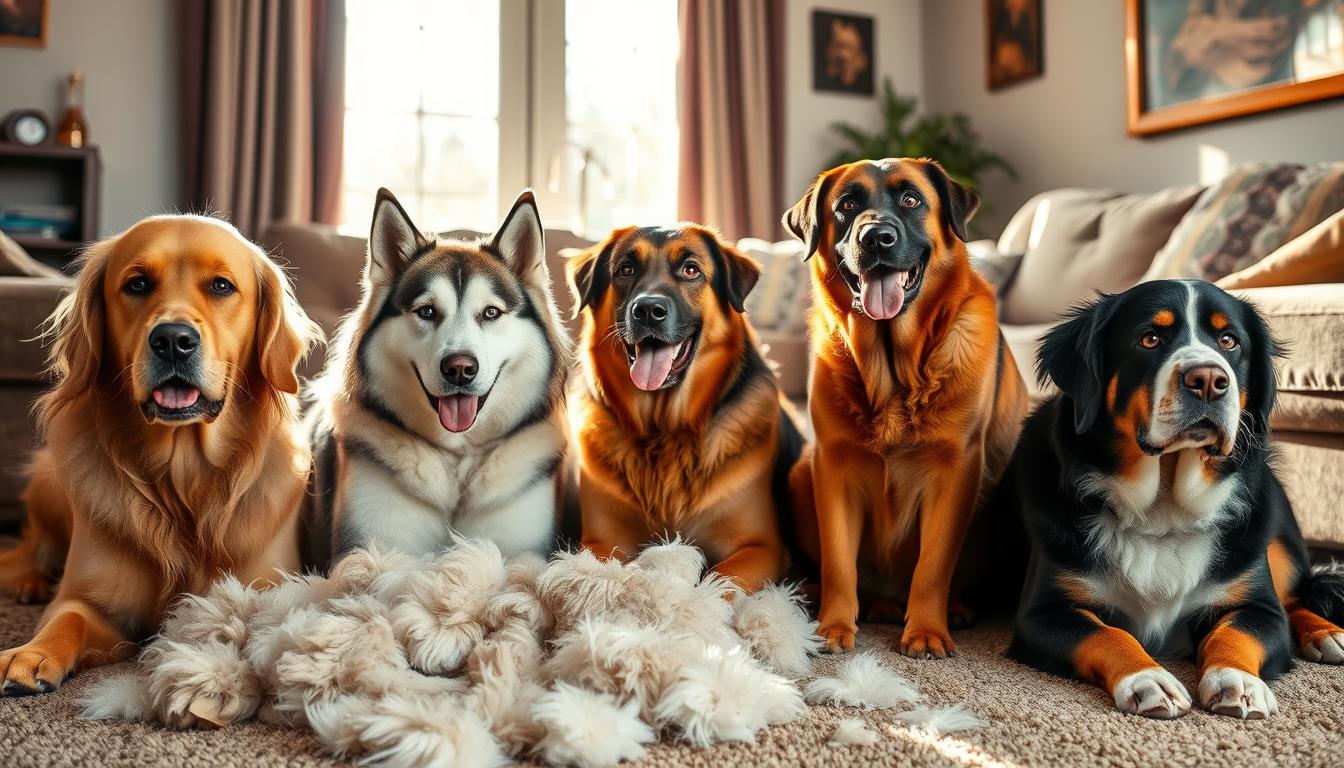
Understanding your dog’s breed is crucial for managing shedding. Some breeds shed a lot, while others shed very little or not at all. For example, German Shepherds, Labradors, and Golden Retrievers shed a lot. On the other hand, Poodles, Bichon Frises, and Maltese shed much less.
Some breeds, like Samoyeds, Siberian Huskies, and Akitas, shed a lot, especially in spring and fall. If you’re looking for a low-shedding dog, consider breeds like Chinese Crested, Coton de Tulear, and Kerry Blue Terriers.
Knowing how different breeds shed helps you prepare for grooming needs. Regular brushing, professional grooming, and a good diet can help control shedding. This way, you can keep your home fur-free and your dog’s coat healthy.
Whether your dog sheds a lot or a little, good grooming is key. By staying on top of grooming, you can enjoy your dog’s company without the hassle of constant cleaning
Health Concerns and Shedding
Excessive shedding can be a normal part of a dog’s life. But it can also be a sign of a health problem. Issues like thyroid disease and Cushing’s disease can cause hair loss. Skin problems and allergies can also lead to more shedding.
Pregnancy and lactation can make a dog shed more, too. The stress and changes in diet can harm their coat.
Allergies and Skin Conditions
Skin issues are a common reason for dogs to shed a lot. Food allergies can make a dog’s skin itchy and lead to shedding. Skin parasites like fleas can also cause shedding and skin problems.
It’s key to get your dog checked by a vet for skin problems.
Pregnancy and Illness
Pregnancy and lactation can stress a dog’s coat, leading to more shedding. Some illnesses and hormonal imbalances can also cause hair loss. If your dog’s shedding changes, see a vet to check for health issues.
It’s important to find and treat the cause of your dog’s shedding. Working with your vet can help keep your dog’s coat healthy and prevent more hair loss.
Reduce Shedding by Addressing the ROOT Cause (It’s Not Just Grooming!)

Did you know excessive shedding can be a sign of stress, boredom, or poor nutrition? While grooming helps, Brain Training for Dogs tackles the underlying causes of shedding by:
✅ Reducing Stress & Anxiety – Calm dogs shed less. Adrienne’s games lower cortisol levels.
✅ Mental Stimulation = Healthier Coat – Boredom leads to stress-shedding. Her training keeps pups engaged.
✅ Improving Overall Health – A well-trained dog eats better, exercises more, and absorbs nutrients efficiently.
👉 Click Here to Try Brain Training for Dogs RISK-FREE! (60-day money-back guarantee)
BONUS: This program also fixes barking, chewing, leash-pulling, and more—all for just $67! 🎉
Conclusion
There are many home remedies to stop dog shedding and keep your pet’s coat healthy. Regular brushing, bathing, a good diet, and supplements help a lot. Also, watch for health issues or seasonal changes that might cause hair loss.
By using a mix of methods, you can reduce fur at home and keep your dog happy. Good grooming and health care are key to less shedding and a healthy coat.
Every dog is different, so what works for one might not work for another. Be patient and try different things. If you’re worried about shedding, talk to your vet.
FAQ
What are some effective home remedies to stop dog shedding?
Effective home remedies for dog shedding include regular brushing and the right shampoo. A nutritious diet and supplements like omega-3 and omega-6 fatty acids also help. Natural ingredients like olive oil, fish oil, and molasses can manage excessive shedding.
How can brushing help control dog shedding?
Brushing removes loose and dead fur from your dog’s coat. This prevents it from spreading around your home. Use the right brush for your dog’s coat type and consider a deshedding tool.
What role does diet play in managing dog shedding?
Your dog’s diet is key to a healthy coat and skin, reducing shedding. A high-quality, nutritious diet or supplements like fish oil, flaxseed oil, and coconut oil can help a lot.
Are there any natural ingredients that can help stop dog shedding?
Yes, natural ingredients like olive oil, fish oil, and molasses can reduce dog shedding. They provide essential fatty acids that nourish the skin and coat, leading to less hair loss.
How do dog breeds affect shedding patterns?
Dog breeds greatly influence shedding patterns. “High shedders” such as German Shepherds, Labradors, and Golden Retrievers shed more. “Low shedder” and hypoallergenic breeds like Poodles and Chinese Cresteds shed less.
When should I be concerned about excessive dog shedding?
Excessive shedding can signal health issues like thyroid disease, Cushing’s disease, allergies, or skin problems. If your dog’s shedding changes, consult your vet.





Purchasing medications online has become extremely widespread.
Convenience is the main reason for this shift.
People can place orders from home at any time without visiting a brick-and-mortar store.
iMedix wellness guides
Price checking is much simpler across different sites.
Home shipping adds an extra layer of comfort.
For chronic treatments, automatic refills save time.
Privacy is another key advantage for many customers.