
Thinking about getting a Chow Chow, but worried about their aggressive reputation? They look unique and are very loyal. You might wonder if they’re safe for your home.
Chow Chows were bred to guard in ancient China. This history might explain their protective nature. Their strong build and thick fur can also make them seem scary at first.
Learning about Chow Chows reveals that knowing their breed traits is key. This helps figure out if they might be dangerous.
Key Takeaways
- Chow Chows have a history as guard dogs that may influence their behaviour.
- Their physical characteristics can contribute to an intimidating appearance.
- Understanding breed traits is essential to evaluating their potential danger.
- Proper training and socialisation are critical for any dog breed.
- Researching the breed thoroughly can help you make an informed decision.
Understanding the Chow Chow Breed
To understand the Chow Chow breed, we need to look at its physical traits, origins, and common myths. As you dive into the world of Chow Chows, you’ll find a breed that’s both fascinating and often misunderstood.
Physical Characteristics and Appearance
Chow Chows are sturdy dogs with a unique lion’s mane around their heads and shoulders. They have a blue-black tongue and almond-shaped eyes, making them stand out. Their coat can be rough or smooth, and they need regular grooming to avoid matting.
Origin and History of the Breed
Chow Chows come from China and were used as guard dogs and companions to royalty. Their history goes back over 2,000 years. Some believe they helped create other ancient breeds, adding to their rich history and myths.
“Chow Chows are an ancient breed, with evidence suggesting they have remained largely unchanged for centuries, making them a fascinating study in canine history.”
Common Misconceptions About Chow Chows
Many think Chow Chows are aggressive because of their guard dog past. But aggression is not a breed trait. It depends on genetics, socialisation, and environment. Knowing this helps us see Chow Chows in a better light.
Is Chow Chow Dangerous? Examining the Facts
Many people think Chow Chows are dangerous dogs. But we need to look at the facts. We should check out the data on Chow Chow incidents, compare them to other breeds, and listen to what experts say about their behaviour.
Statistics on Chow Chow-Related Incidents
Some studies say Chow Chows are in the top list of dog bites. But we must remember that many factors can affect these numbers. Things like poor socialisation, bad training, and irresponsible owners play big roles.
Looking closer, we see that Chow Chow incidents are actually pretty rare. Even though they’re a common breed, they don’t attack as often as you might think.
Comparing Bite Statistics with Other Breeds
When we look at dog bite stats, we have to think about the size of each breed’s population. A study shows that while Chow Chows do get involved in some incidents, other breeds like Pit Bulls and German Shepherds are more common in dog bite cases.
| Breed | Reported Incidents | Population Size | Incident Rate |
|---|---|---|---|
| Chow Chow | 100 | 100,000 | 0.1% |
| Pit Bull | 500 | 200,000 | 0.25% |
| German Shepherd | 300 | 150,000 | 0.2% |
Expert Opinions on Chow Chow Temperament
Experts say a Chow Chow’s behaviour comes from their genes, how they’re raised, and how they’re trained.
“Chow Chows are loyal and protective, but they can be aggressive if they’re not socialized and trained right,”
An expert in dog behaviour points out. This shows how important it is to raise them right and teach them well to avoid aggression.
In the end, while Chow Chows might be involved in some incidents, the facts and expert opinions show they’re not as dangerous as people think. With the right training, socialisation, and care, they can be friendly and safe companions.
Natural Temperament of Chow Chows
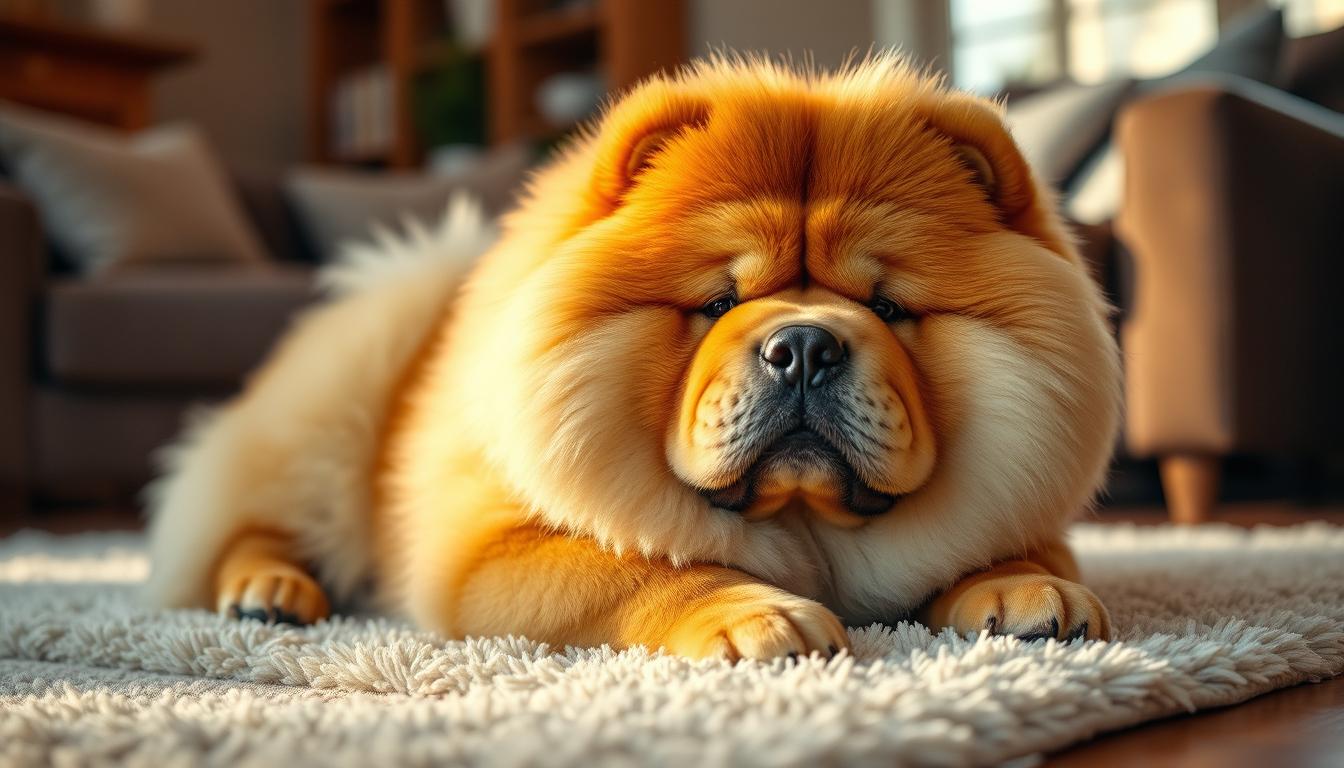
Chow Chows have a unique mix of loyalty, protectiveness, and independence. Their personality is both captivating and challenging for owners.
Typical Personality Traits
Chow Chows are calm and dignified. They don’t ask for much but like attention on their terms. Key personality traits include:
- Loyalty to their family
- Reserved with strangers
- Can be stubborn at times
Loyalty and Protective Instincts
Chow Chows are fiercely loyal and protective of their families. They form strong bonds and will defend their loved ones. This protective nature can sometimes be seen as aggression, but it shows their deep devotion.
Independence and Aloofness
Chow Chows are independent and aloof, mainly with strangers. They’re not social dogs and may take time to get to know new people. This independence can make them seem detached or standoffish, but it’s just part of who they are.
Respecting their need for space can help you have a better relationship with your Chow Chow.
Factors That Influence Chow Chow Behaviour

Many things shape a Chow Chow’s behaviour, like genetics, socialisation, and environment. Knowing these helps owners create a good home for their pet.
Genetics and Breeding
Genetics greatly affect a Chow Chow’s personality. Good breeding practices can lower the chance of aggression. Breeders focusing on temperament, along with looks, make a calmer breed.
Some Chow Chows might be naturally protective or shy because of their genes. It’s key for breeders to test for good temperament in their dogs.
Early Socialisation Impact
Early socialisation is key to a Chow Chow’s behaviour. Socialisation means introducing your puppy to many things, like people and animals. This makes them confident and calm in new places.
Start socialising your Chow Chow early and keep it up. Introduce them to sounds, experiences, and other pets and people. Good socialisation can prevent future problems.
| Socialization Activity | Age to Start | Frequency |
|---|---|---|
| Meeting new people | 8 weeks | Daily |
| Encountering other pets | 10 weeks | Weekly |
| Experiencing new environments | 12 weeks | Bi-weekly |
Environmental Factors
Your home and how you interact with your Chow Chow greatly affect their behaviour. A stable and loving home helps a pet adjust well. But a stressful home can cause problems.
Make sure your Chow Chow feels safe and loved. Give them a comfy home and spend time with them. Regular exercise and mental games prevent boredom and stress, which can lead to bad behaviour.
Training and Socialising Your Chow Chow
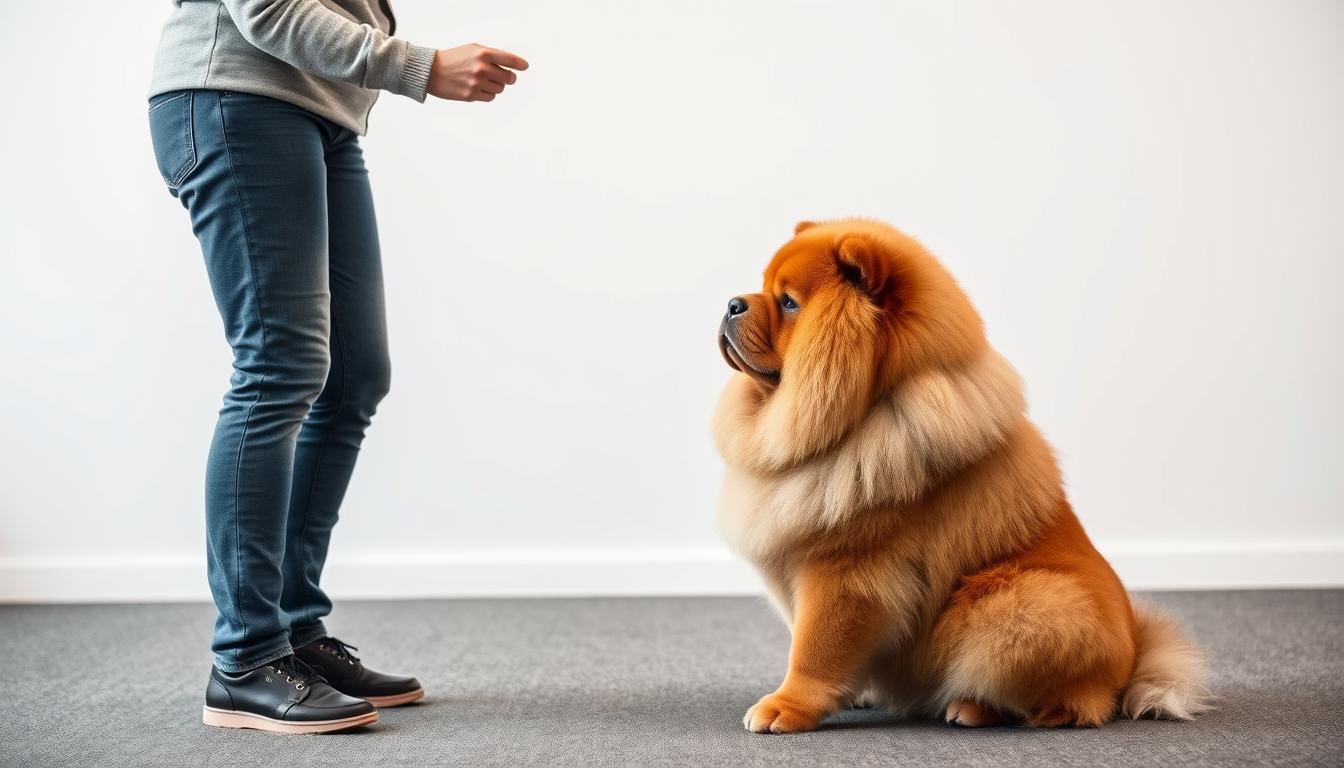
Building a strong bond with your Chow Chow starts with good training and socialisation. Chow Chows are independent and can be shy, so start training early and be consistent. This is key to their behaviour.
Effective Training Methods
Chow Chows love positive reinforcement training methods. This means rewarding them for good behaviour with treats and praise. It’s important to be patient and consistent, as they can be stubborn.
Setting clear rules and sticking to them helps a lot. Chow Chow training tips often say to start training early and be firm but gentle.
Socialisation Techniques for Puppies
Socialising your Chow Chow puppy is vital. It helps them feel comfortable around new people and places. Socialisation techniques for Chow Chow puppies include puppy classes and dog parks.
Also, invite friends over to play with your puppy. This early exposure helps prevent aggression and other issues later.
Addressing Behavioural Issues
If your Chow Chow starts acting out, you need to act fast. A professional dog trainer or behaviourist can help. They’ll give you specific advice for your dog’s behaviour.
Understanding why your Chow Chow is acting out is important. It could be due to a lack of socialisation, genetics, or environment. By focusing on chow chow behaviour and taking action, you can avoid many problems.
Chow Chow Ownership Responsibilities
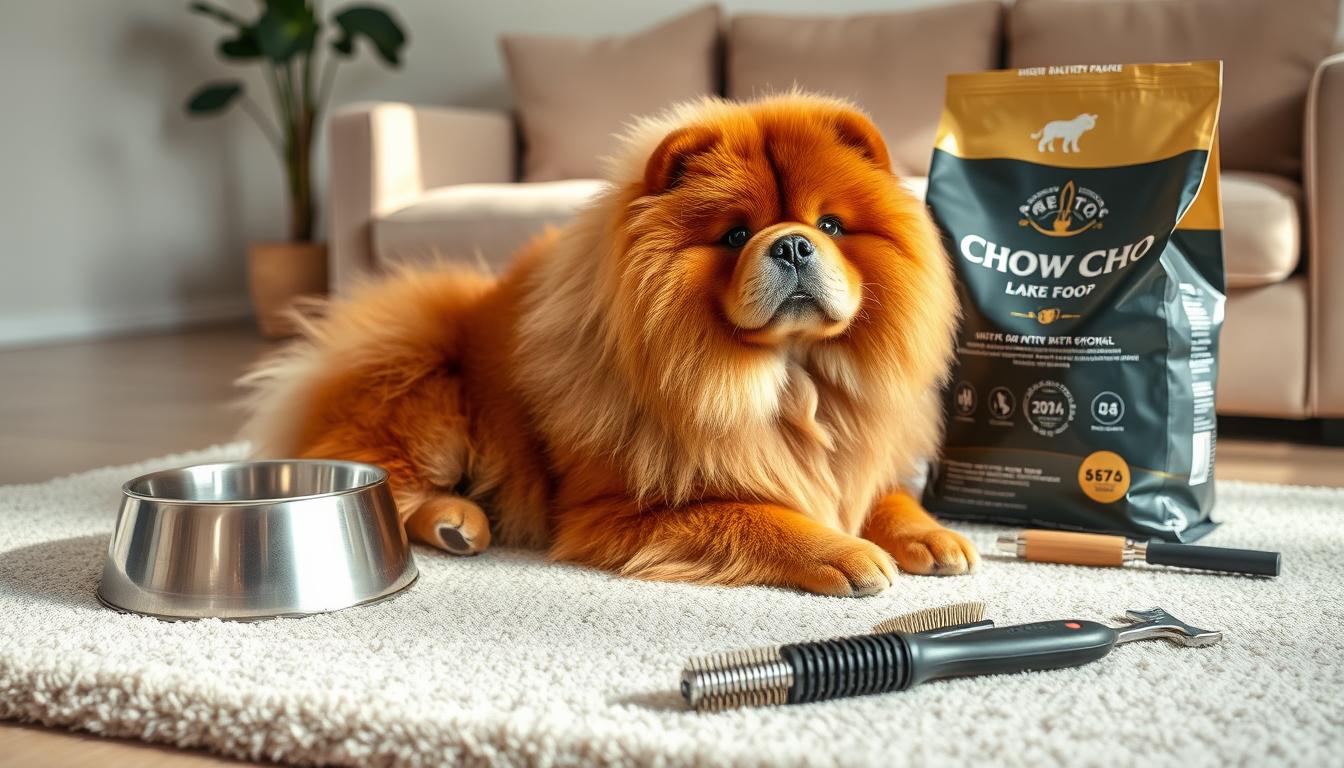
Being a Chow Chow owner means you have big responsibilities. You need to care for them, manage their mood, and know about legal and insurance stuff.
Suitable Owner Profiles
Chow Chows aren’t for everyone. They need owners who know how to handle strong dogs. Experienced dog owners who set clear rules and enforce them regularly are best.
Daily Care Requirements
Looking after a Chow Chow is a big job. You’ll need to feed them right, groom them to avoid mats, and make sure they get enough exercise. Regular grooming is key because of their thick fur. A day with a Chow Chow includes:
- Morning and evening walks
- Regular grooming sessions
- Training and socialisation activities
- Providing a nutritious diet
Legal and Insurance Considerations
Chow Chows can be a high-risk breed, which affects insurance. You should know the laws in your area about owning them. Also, getting liability insurance can help protect you financially if your dog gets into trouble.
| Consideration | Description | Importance Level |
|---|---|---|
| Legal Compliance | Understanding local laws regarding Chow Chow ownership | High |
| Insurance | Considering liability insurance to cover potential incidents | High |
| Investing time in training and socialising your Chow Chow | Investing time in training and socializing your Chow Chow | High |
| Grooming | Regular grooming to prevent matting and health issues | Medium |
Living Safely with a Chow Chow

Creating a safe and welcoming home for your Chow Chow is key to their happiness and your peace of mind. You must consider several factors that affect their behaviour and how you interact with them.
Creating a Safe Home Environment
To make your home safe, start by securing any hazardous materials or objects that could harm your Chow Chow. This includes toxic substances, electrical cords, and small objects that can be swallowed. Also, make sure your home is Chow Chow-proofed by removing or securing items that could be damaged by their natural behaviours, like chewing or scratching.
- Secure toxic substances and medications.
- Keep electrical cords out of reach.
- Remove small objects that can be swallowed.
Introducing Chow Chows to Children and Other Pets
When introducing your Chow Chow to children and other pets, it’s important to do so gradually and under controlled circumstances. Start by keeping the animals separated and letting them get used to each other’s scents and sounds before meeting face-to-face. Always supervise their first interactions closely to prevent conflicts.
- Keep the animals separated at first.
- Allow them to become familiar with each other’s scents.
- Supervise their first interactions closely.
Recognising Warning Signs of Aggression
It’s crucial to understand and recognise the warning signs of aggression in your Chow Chow to prevent incidents. These signs include growling, showing teeth, stiffening, or avoiding eye contact. If you see any of these behaviours, it’s important to intervene early by removing the source of stress or seeking help from a professional dog trainer or behaviourist.
Health Issues That May Affect Chow Chow Behaviour
Knowing about health problems in Chow Chows is key for owners. Their behaviour can change a lot based on their health.
Common Health Problems in the Breed
Chow Chows face many health issues. These include hip dysplasia, elbow dysplasia, and eye problems like cataracts. They might also get hypothyroidism or autoimmune diseases. It’s important to take them to the vet regularly to catch these problems early.
| Health Issue | Description | Can cause vision loss, potentially leading to anxiety or fear-based behaviours |
|---|---|---|
| Hip Dysplasia | A genetic condition affecting the hip joint | Can cause pain and discomfort, leading to irritability |
| Eye Problems | Includes cataracts and progressive retinal atrophy | Can cause vision loss, potentially leading to anxiety or fear-based behaviors |
| Hypothyroidism | A condition where the thyroid gland doesn’t produce enough hormones | Can lead to lethargy or, in some cases, aggression due to discomfort or metabolic imbalances |
How Pain and Discomfort Can Trigger Aggression
Pain and discomfort can make Chow Chows aggressive. They might become more protective or defensive. It’s crucial to watch their behaviour and health closely.
Transform Your Chow Chow’s Behaviour with Brain Training For Dogs!
Is your Chow Chow showing stubbornness, aggression, or other challenging behaviours? Adrienne Farricelli’s Brain Training For Dogs program can help! This CPDT-KA certified trainer’s proven, science-backed system unlocks your dog’s “hidden intelligence” to eliminate bad habits and boost obedience—without force or dominance.
✨ Why This Program Works:
✔ Gentle, Force-Free Methods – No outdated techniques; only positive reinforcement.
✔ Science-Based Games – Stimulate your dog’s mind to curb boredom-induced behaviours.
✔ Step-by-Step Modules – From basic obedience to advanced tricks (like playing piano!).
✔ Tailored Solutions – Fix digging, barking, leash-pulling, and more.
✔ 60-Day Money-Back Guarantee – Risk-free results!
🐾 Ready for a Well-Behaved Chow Chow?
👉 Click Here to Access Brain Training For Dogs Now! 👈
“In just days, my reactive dog became calmer and more obedient—this program is a game-changer!” – Happy Customer
Don’t wait—start training today! 🎯
Conclusion: Are Chow Chows Right for You?
Whether a Chow Chow is dangerous depends on many things. This includes how well you own, train, and care for it. The breed’s nature is complex, showing loyalty and protectiveness.
These traits can be good or bad. The main thing is to know and meet your responsibilities as a Chow Chow owner. This way, your dog won’t be a danger to others.
By training, socialising, and caring for your dog properly, you can avoid risks. This makes a safe and loving home for your dog and the community. So, are Chow Chows dangerous? It depends on how you raise and care for them. With the right approach, they can be loving and gentle friends.
FAQ
Are Chow Chows naturally aggressive dogs?
Chow Chows are not naturally aggressive. They can be protective and sometimes aloof. Their behaviour is shaped by their genes, how they are raised, and their environment.
What factors contribute to aggression in Chow Chows?
Poor breeding, lack of socialisation, and stress can make Chow Chows aggressive. Health problems that cause pain can also lead to aggressive behaviour.
How can I train my Chow Chow to be well-behaved?
To train a Chow Chow, use positive reinforcement and be consistent. Start socialising them early. Training should be patient and gentle.
What are the daily care requirements for a Chow Chow?
Chow Chows need regular grooming and daily exercise. They also need a balanced diet. Regular vet visits are important to keep them healthy.
Can Chow Chows be safely kept around children and other pets?
Yes, Chow Chows can be safe with children and other pets if they are well-socialized. Always supervise interactions and teach children how to handle the dog gently.
What are the common health problems in Chow Chows that may affect their behaviour?
Chow Chows often face hip dysplasia, eye issues, and allergies. These can cause pain and lead to aggression if not treated.
How can I recognise warning signs of aggression in my Chow Chow?
Look for growling, snapping, and raised hackles as signs of aggression. If you see these, address the cause and seek help if needed.
Are Chow Chows suitable for inexperienced dog owners?
Chow Chows can be tough for new dog owners. They are independent and need time and effort in training and care.
What are the legal and insurance considerations for owning a Chow Chow?
Owning a Chow Chow may involve legal and insurance issues. You might need liability insurance and follow local breed laws. Research these before getting a Chow Chow.
How can I create a safe home environment for my Chow Chow?
Make your home safe for a Chow Chow by securing harmful substances and electrical cords. Provide a quiet, comfortable space for them to relax.


