
Did you know that 75% of a dog’s brain is dedicated to processing smells? This shows how important mental stimulation is for them, just like physical exercise.
When you can’t take your dog for long walks, it’s key to keep their mind active indoors. Many indoor training ideas can give your dog the mental stimulation they need to stay happy and healthy.
By doing simple yet effective indoor activities, you can help reduce boredom, stress and mentally tire out a dog at your home. This makes them a more balanced and calm companion.
Key Takeaways
- Discover simple indoor activities to stimulate your dog’s mind.
- Learn how to reduce boredom and stress in your dog.
- Understand the importance of mental stimulation for your dog’s overall well-being.
- Explore creative ways to engage your dog indoors.
- Find out how indoor training can strengthen your bond with your dog.
The Importance of Mental Stimulation for Dogs
Dogs, like humans, need mental stimulation to be happy and healthy. It’s not just a nice thing to do; it’s essential. It goes hand in hand with their physical exercise.
Why Mental Exercise Is as Crucial as Physical Exercise
Mental exercise is as important as physical exercise. It keeps your dog’s mind active and engaged. This can reduce stress and anxiety, making your dog happier and more balanced.
Signs Your Dog Is Mentally Understimulated
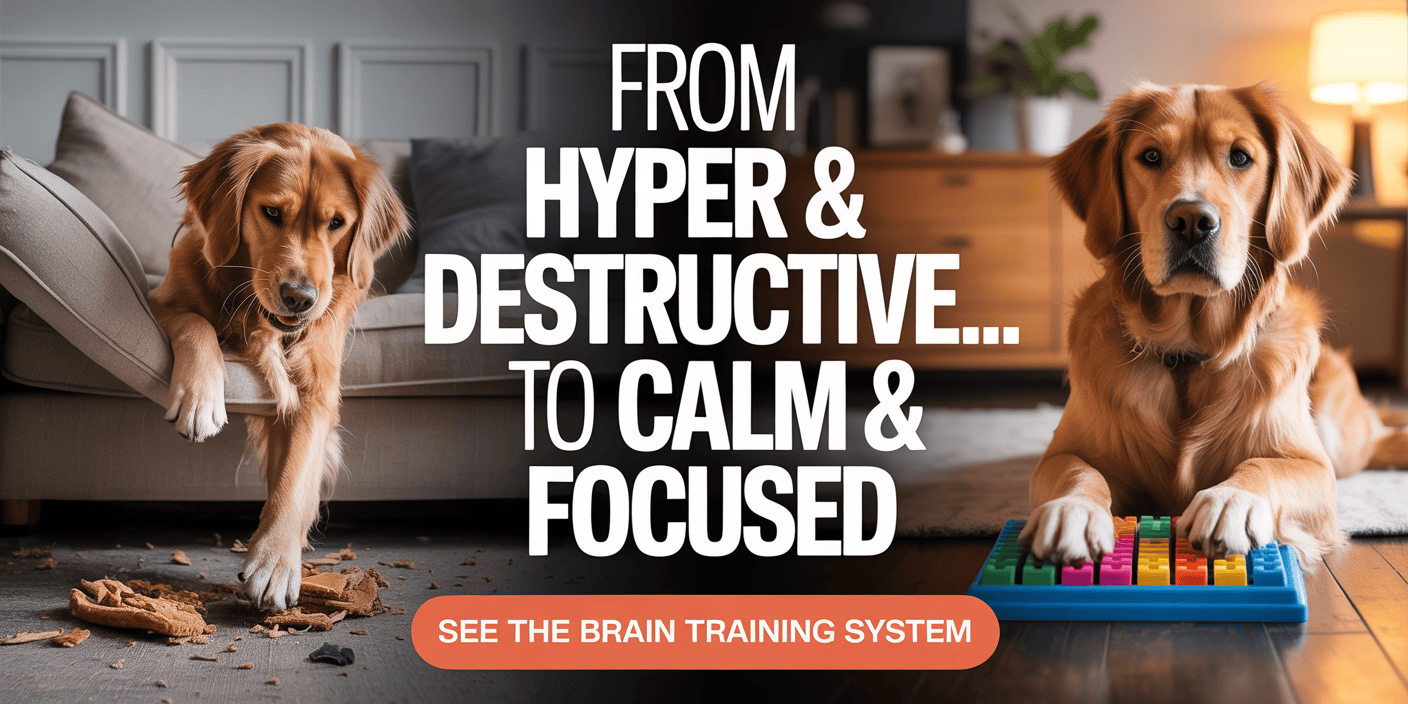
If your dog is not getting enough mental stimulation, you might see destructive behaviour. They might bark too much or seem restless. These signs mean your dog needs more mental challenges.
The Connection Between Behaviour Problems and Mental Boredom
Mental boredom can cause many behavioural problems. Dogs might chew furniture, dig, or try to escape. Giving them enough mental stimulation can stop these issues and make your home a happier place.
Here’s a comparison to show the benefits of mental stimulation:
| Mental Stimulation Activity | Benefits |
|---|---|
| Interactive Puzzle Toys | Reduces boredom, challenges problem-solving skills |
| Scent Work and Nose Games | Engages sense of smell, encourages exploration |
| Training Sessions | Improves obedience, enhances dog-owner bond |
You can mentally tire out your dog without long walks. By adding mental stimulation to their daily routine, you can greatly improve their well-being.
Understanding Your Dog’s Mental Needs

Dogs need mental stimulation that fits their unique traits. Just like people, dogs have different personalities and ways of learning. This affects how they enjoy various activities.
How Different Breeds Require Different Types of Stimulation
Different breeds have different needs. For example, herding breeds like Border Collies and German Shepherds are very smart. They need complex tasks to stay interested. Some breeds, like hounds, might enjoy scent work more.
Assessing Your Dog’s Intelligence and Learning Style
Figuring out your dog’s smarts means looking at their problem-solving skills. Some dogs learn better with pictures, while others get it from sounds. You can find out how your dog learns with simple tests and adjusting your training.
Creating a Balanced Mental Exercise Schedule
A good mental exercise plan should have a variety of activities. This could be puzzle toys, scent games, and obedience training. Changing up activities often helps prevent boredom and keeps your dog’s mind active.
How to Mentally Tire Out a Dog Without Walks

Mental exhaustion in dogs is real and can be caused by indoor training. This method helps dogs that can’t move much and is great for owners who want to calm their pets indoors.
The Science Behind Mental Fatigue in Dogs
Dogs get mentally tired when they use their brains a lot. This is like getting tired from hard work, not just from running. Studies show dogs, like people, get tired after solving problems or doing hard tasks.
Research says mental games can make dogs less active. This is good for dogs that can’t move much or are recovering from injuries. It’s a smart way to tire them out without needing to go for walks.
Comparing Mental vs. Physical Exhaustion
Physical exhaustion comes from working out, while mental exhaustion comes from thinking hard. Both are good for dogs because they help them feel better overall.
Mental exhaustion is especially helpful for high-energy dogs or those that get into trouble when bored. It keeps them calm and stops bad behaviour.
Setting Realistic Expectations for Different Age Groups
It’s important to match mental games to your dog’s age and brain power. Puppies need simple, fun games, while older dogs can handle more complex tasks.
- Puppies: Simple games and playful interactions
- Adult Dogs: Complex puzzle toys and obedience training
- Senior Dogs: Gentle, low-impact cognitive games
Knowing your dog’s age and brain power helps you plan the right mental games. This way, you can tire them out without making them too tired.
Interactive Puzzle Toys for Mental Stimulation

To keep your dog mentally active, try interactive puzzle toys. These toys make your dog work to get a treat. This keeps them busy and stops boredom.
Types of Puzzle Toys for Different Skill Levels
Puzzle toys have different levels of difficulty. This means they fit dogs of all ages and smarts. Beginners need simple puzzles with big pieces. More advanced dogs get complex puzzles that test their problem-solving skills.
Some popular types include:
- Sliding puzzles
- Hide-and-seek toys
- Problem-solving feeders
DIY Puzzle Toys You Can Make at Home
Making DIY puzzle toys is fun and saves money. For example, you can make a treat-dispensing toy from an old plastic bottle. Cut holes of different sizes in it. Then, fill it with treats and watch your dog figure it out.
How to Introduce and Progress with Puzzle Challenges
Start with simple puzzles when introducing interactive dog toys. As your dog gets better, make the puzzles harder. Use praise and treats to keep them excited and eager to learn.
Using puzzle toys for dogs in their daily routine helps. It keeps them from getting bored and keeps their mind sharp.
Food-Based Enrichment Activities

Dogs love food-based enrichment activities that challenge their minds. These activities make mealtime fun and engaging. They also help keep their minds sharp.
Slow Feeders and Their Benefits
Slow feeders make dogs work for their food. This slows down eating and keeps their minds active. A study found that slow feeders can cut eating speed by up to 10 times.
Benefits of Slow Feeders:
- Reduces eating speed
- Prevents gobbling
- Improves digestion
- Provides mental stimulation
Food Scattering and Foraging Games
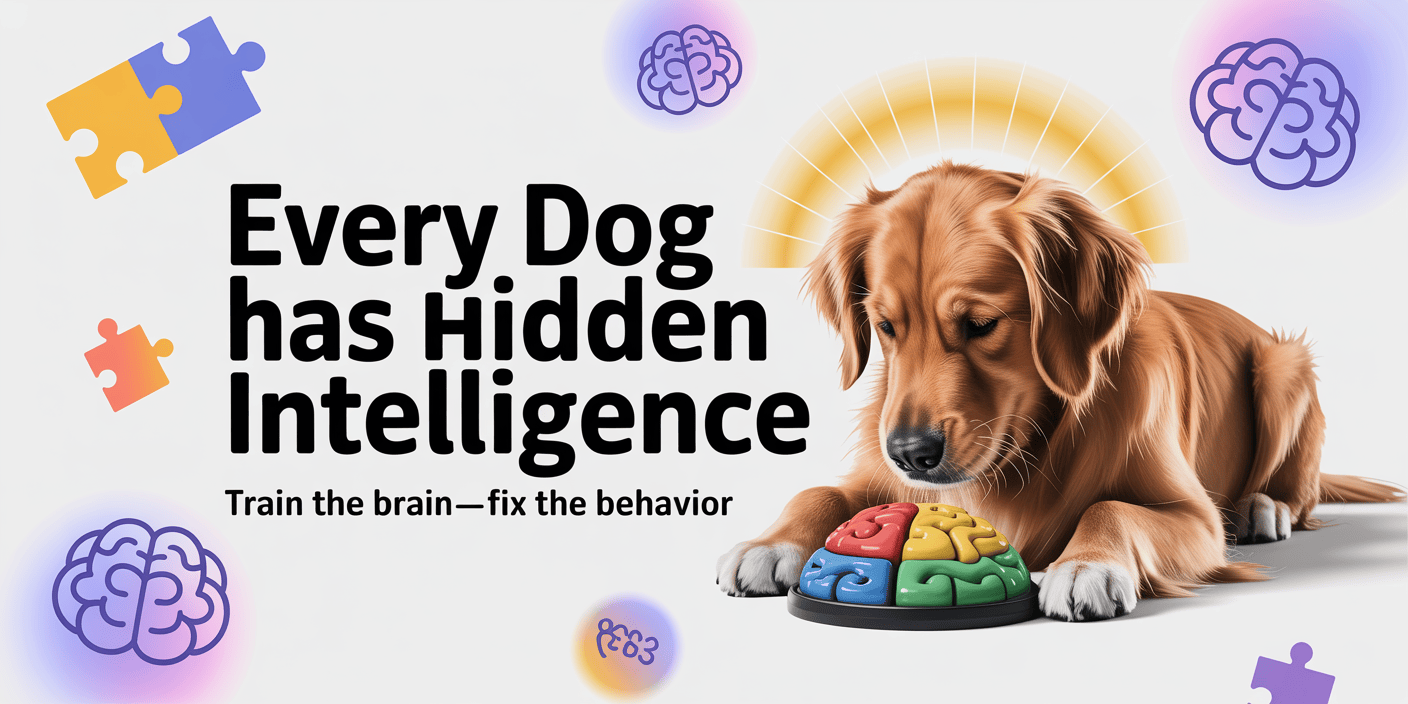
Scattering food around the house or yard makes mealtime exciting. You can hide food in puzzle toys or around the house. This challenges your dog’s sense of smell and problem-solving skills.
| Foraging Game | Description | Benefit |
|---|---|---|
| Hide and Seek | Hide food around the house or yard | Encourages problem-solving and sense of smell |
| Puzzle Toys | Fill toys with treats or kibble | Challenges problem-solving skills |
Frozen Treats and Lick Mats for Extended Engagement
Frozen treats and lick mats are fun and challenging. Spread peanut butter, pumpkin, or yoghurt on a lick mat and freeze it. This creates a long-lasting activity that stimulates your dog’s tongue and brain.
Dog trainers say frozen treats and lick mats keep dogs busy. This reduces destructive behaviour and stress.
Indoor Scent Work and Nose Games
Scent work is a great way to keep your dog’s mind busy without needing lots of physical activity. It uses your dog’s natural ability to follow smells for a fun indoor activity.
Hide and Seek with Treats and Toys
Hide and seek is a simple way to get your dog involved in scent work. Hide treats or toys with strong smells around the house. Encourage your dog to sniff them out. This game is not only a challenge for their sense of smell but also a fun way to bond.
To make it harder, hide items in tricky spots or use different scents. For instance, hide a treat in a cardboard box or wrap it in cloth. This makes it tougher for your dog to find.
Scent Discrimination Training Techniques
Scent discrimination training teaches your dog to pick out specific smells. Start by introducing a scent, like an essential oil or scented toy. Reward them when they identify it. Then, add more scents to make it harder.
This training improves your dog’s sense of smell and brain power. Dogs can smell things 10,000 times better than humans, according to research.
“Dogs have a remarkable sense of smell, and with proper training, they can be taught to detect a wide range of scents.”
Creating Challenging Scent Trails Around Your Home
Setting up scent trails is another fun challenge for your dog’s sense of smell. Start with a treat or scented item at the beginning. Then, lead it around the house, adding more treats or scents along the way.
| Scent Trail Difficulty | Description |
|---|---|
| Easy | Simple trail with visible treats |
| Medium | Trail with some twists and turns, partially hidden treats |
| Hard | Complex trail with many twists and turns, hidden treats |
Adding indoor scent work and nose games to your dog’s routine keeps their mind active. It also helps prevent boredom-related behaviours.
Training Sessions as Mental Exercise
Training your dog is a great way to keep their mind sharp and prevent boredom. It’s not just about teaching new tricks; it’s also a way to keep their brain active. By using different training methods, you can keep your dog’s mind engaged.
Teaching New Tricks and Commands in Short Sessions
Teaching your dog new tricks and commands is a fun way to challenge their mind. Short training sessions of 10-15 minutes are best. They keep your dog focused and prevent frustration.
You can teach simple tricks like “shake” or “roll over.” Or, you can try more complex tasks like “play dead.” The most important thing is to make the sessions fun and rewarding.
Practising Obedience in Different Contexts
Practising obedience in different places helps your dog understand better. For example, practice “sit” and “stay” in various rooms, outdoors, or in busy areas. This variety helps your dog learn to respond to commands in different situations.
Using Clicker Training for Precision and Engagement
Clicker training is a great way to mentally challenge your dog. It uses a clicker to mark good behaviour and rewards them with treats. This method not only teaches new tricks but also helps your dog understand the connection between actions and rewards.
Clicker training sessions are both fun and mentally stimulating. They provide your dog with the mental exercise they need. Regular training sessions improve obedience and strengthen your bond with your dog, making them a key part of your dog’s well-being.
Interactive Play and Games
Interactive play is not just fun; it’s also great for your dog’s mind. Playing games with your dog can help them feel less bored and stressed. It also stops them from getting into trouble. By playing different games, you keep your dog’s mind sharp and body active.
Structured Tug-of-War with Rules
Tug-of-war is a classic game that works well indoors. To make it more challenging, set clear rules. For instance, teach your dog to drop the toy on command or to only tug when invited. This structured play helps your dog learn the game and improves their problem-solving skills.
Indoor Fetch Variations for Small Spaces
Fetch can be played indoors, even in small spaces. Use soft toys or balls and toss them down corridors or between furniture. You can also set up a mini obstacle course for the toy. This makes the game more fun and keeps your dog active.
Shell Games and Other Cognitive Challenges
Shell games, where treats are hidden under cups or shells, test your dog’s problem-solving skills. Start with simple versions and add more cups or different treats as your dog gets better. Other challenges include hiding treats around the house or using puzzle toys.
Adding these interactive games to your dog’s daily routine keeps them happy and healthy. It gives them the mental stimulation they need.
Creating Indoor Obstacle Courses
Creating an indoor obstacle course is a great way to keep your dog active indoors. You can use household items to make a fun and challenging course. This will help mentally tire out your dog.
Using Household Items for Safe Agility Training
You can make different obstacles with items from home. Couch cushions can be turned into tunnels or jumps. Chairs can be set up for a weave course. Be creative and make sure the items are safe and stable for your dog.
Teaching Your Dog to Navigate Different Obstacles
Begin by teaching your dog each obstacle one at a time. Use treats and praise to help them learn. As they get better, you can link obstacles together for a bigger course. Remember, the goal is to challenge your dog, not to make them frustrated.
Progressing Difficulty Levels Without Injury Risk
To keep your dog interested, increase the course’s difficulty slowly. You can add more obstacles, make jumps higher, or make tunnels narrower. Always watch your dog to make sure they’re comfortable and safe.
Tailoring Activities for Special Cases
Dogs vary in age, breed, and physical condition. They need mental exercises tailored to their needs. It’s important to understand these differences for effective mental stimulation.
Mental Stimulation for Senior Dogs
Senior dogs need activities that are easy on their bodies but still challenge their minds. Interactive puzzle toys and scent work are great. They offer mental fun without too much physical effort.
Engaging High-Energy Breeds Indoors
High-energy breeds need activities that match their energy levels, even indoors. Indoor obstacle courses and intensive training sessions are perfect. They help burn off their energy both mentally and physically.
Adapting Activities for Dogs with Physical Limitations
Dogs with physical limitations do best with low-impact, mentally stimulating activities. Scent games and gentle puzzle toys are great. They ensure these dogs stay mentally sharp.
| Dog Type | Suitable Activities |
|---|---|
| Senior Dogs | Interactive puzzle toys, scent work |
| High-Energy Breeds | Indoor obstacle courses, intensive training sessions |
| Dogs with Physical Limitations | Scent games, gentle puzzle toys |
Want a Calm, Focused, Well-Behaved Dog—Without Long Walks?

If your dog still has pent-up energy, boredom, or behaviour issues, it’s not about more exercise—it’s about mental stimulation done right.
👉 Brain Training for Dogs is a proven, force-free online program created by CPDT-KA certified professional dog trainer Adrienne Farricelli, designed to mentally challenge your dog and eliminate problem behaviours at the root. sales page dog training
✅ What You’ll Discover Inside:
- 🐶 21 brain-boosting games that mentally tire dogs fast—indoors
- 🧠 Unlock your dog’s hidden intelligence to reduce boredom & anxiety
- 🚫 Stop chewing, barking, digging & hyperactivity naturally
- 🎯 Step-by-step, force-free training backed by modern dog behaviour science
- 📹 Easy video lessons you can start today at home
👉 Click here to give your dog the mental workout they crave
👉 Get instant access to Brain Training for Dogs now
Conclusion: Creating a Sustainable Indoor Enrichment Routine
To make a lasting indoor enrichment routine for your dog, think about what they like and need. Mix puzzle toys, food games, scent work, training, and play to keep their mind active. This way, your dog stays mentally sharp.
A good indoor routine keeps your dog busy and happy. It stops boredom and bad behaviours. Change things up often to keep your dog excited and eager to learn.
With these steps, you’ll make a place that’s good for your dog’s mind and body. Your dog will be happy and healthy, thanks to your efforts.
FAQ
How often should I mentally stimulate my dog?
How often you should mentally stimulate your dog depends on their age, breed, and needs. Dogs usually need daily mental play to avoid boredom and stress.
Can I use puzzle toys for dogs of all ages?
Yes, puzzle toys work for dogs of all ages. Just pick toys that fit your dog’s skill level and make them harder as they get better.
How can I engage my high-energy breed dog indoors?
High-energy dogs need lots of mental and physical play. Try interactive games, obedience training, and indoor obstacle courses to keep them active.
Are food-based enrichment activities suitable for dogs with dietary restrictions?
Yes, you can still use food-based activities for dogs with dietary limits. Just use treats that are safe for them. Always check with your vet first.
Can I create a DIY indoor obstacle course for my dog?
Yes, making a DIY obstacle course is easy. Use things like couch cushions, chairs, and tunnels for fun and exercise.
How can I mentally stimulate my senior dog?
Senior dogs need gentle mental play. Try short training sessions, scent games, and toys with easy-to-get treats.
Can I use clicker training for mental exercise?
Yes, clicker training is great for mental exercise. It teaches new tricks, improves obedience, and tests problem-solving skills.
How can I prevent my dog from getting bored with indoor activities?
To avoid boredom, change activities often and introduce new games and toys. Also, make puzzle toys and obstacle courses harder as they get better.
Are indoor scent work and nose games effective for mental stimulation?
Yes, indoor scent work and nose games are great for mental stimulation. They challenge your dog’s sense of smell and problem-solving skills.
Can I use interactive play and games for mental stimulation?
Yes, interactive play and games like tug-of-war, fetch, and shell games are good for mental stimulation. They challenge your dog’s problem-solving skills.