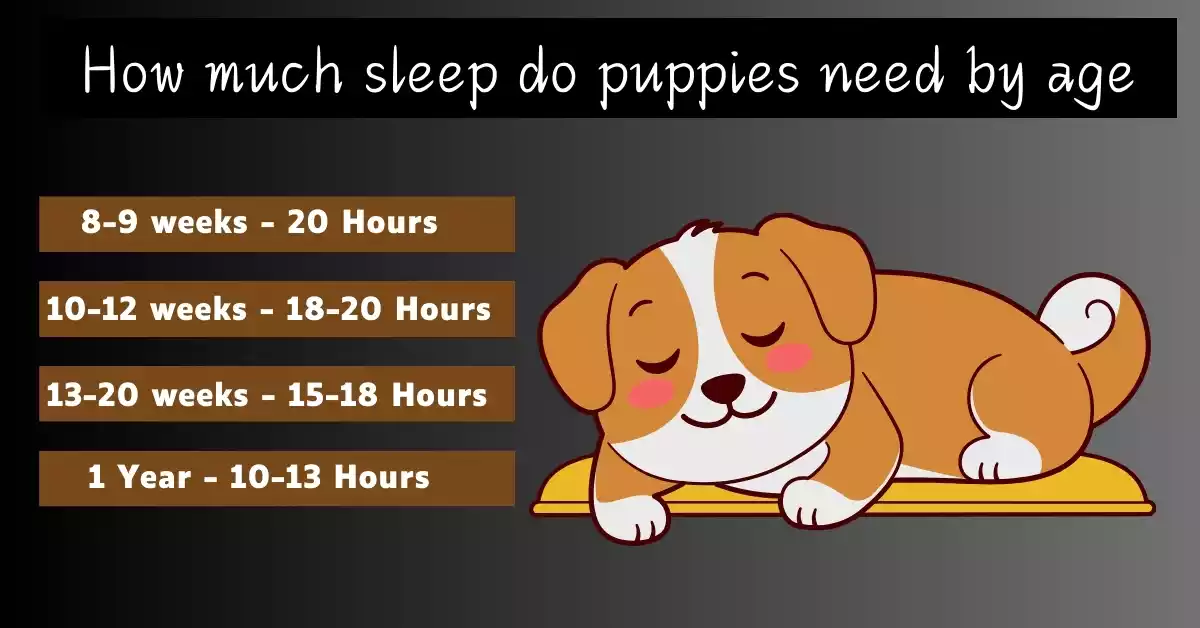
As a new puppy owner, you know how vital a consistent sleep routine is for your puppy. Puppies learn fast until they are 16 weeks old. A good sleep training schedule helps avoid sleep problems and ensures that they rest well.
Creating a sleep training schedule that fits your puppy’s needs is key. It helps them grow and develop healthy sleep habits. With the right steps, you can teach your puppy to sleep well.
Following a detailed puppy sleep training guide is essential. It ensures your puppy sleeps enough to grow into a happy adult dog. A routine that includes a set sleep schedule, a cosy sleep spot, and positive training helps your puppy sleep well.
With a well-thought-out schedule, your puppy will thrive. It lays a strong foundation for a lifelong friendship.
Key Takeaways
- Establishing a consistent puppy sleep routine is crucial for your puppy’s development.
- A well-structured puppy sleep training schedule can help prevent sleep regression and other sleep-related issues.
- Creating a comfortable sleep environment is essential for your puppy’s sleep quality.
- Positive reinforcement training can help your puppy develop good sleep habits.
- A comprehensive puppy sleep training guide can help you tailor a schedule to your puppy’s unique needs.
- Puppy sleep training is an essential part of your puppy’s overall development and can impact their behaviour and health.
- A puppy sleep routine that includes a consistent sleep schedule and positive reinforcement training can help your puppy thrive.
Understanding Your Puppy’s Sleep Needs
As a puppy owner, knowing your puppy’s sleep needs is key. Puppies sleep differently from adult dogs, depending on their age and breed. A daily routine that includes play and quiet time is vital for their health.
Puppies sleep a lot, from 18 to 20 hours a day. Their naps can last from 30 minutes to 2 hours. As they get older, they sleep more, just like adult dogs. By 6 months, they sleep about 10 to 14 hours a day. A consistent puppy bedtime schedule helps both the puppy and the owner sleep better.
To help your puppy sleep well, make their sleep area quiet and dim. Also, have a regular bedtime routine. Knowing puppy sleeping habits and how to train a puppy to sleep helps spot sleep problems early. Recognising signs of good sleep, like relaxed body language and regular sleep times, ensures your puppy gets enough rest for growth.
| Age | Sleep Duration |
|---|---|
| 8-10 weeks | 18-20 hours |
| 3-4 months | 16-18 hours |
| 6 months and older | 10-14 hours |
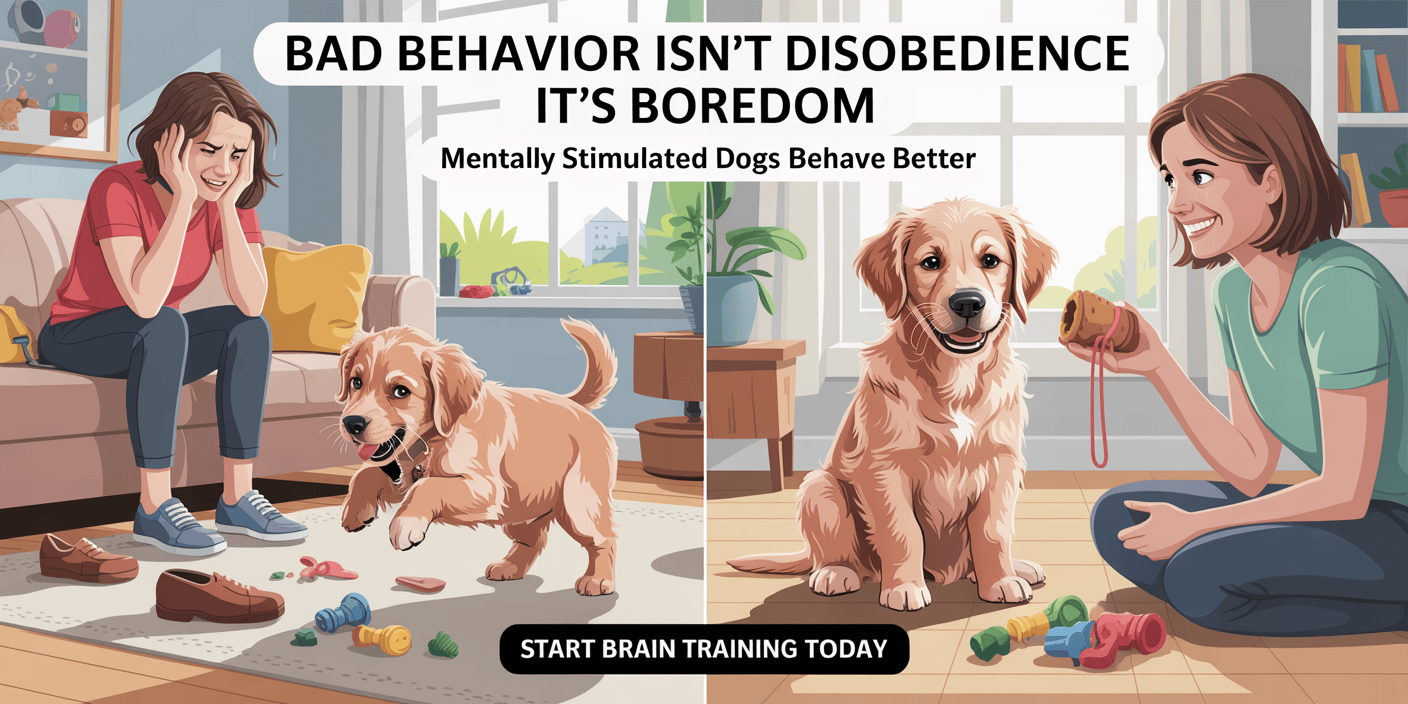
The Science Behind Puppy Sleep Training
Understanding puppy sleep training is key to a good sleep schedule for your puppy. Knowing about puppy development helps you tailor puppy sleep tips to their needs. Young puppies sleep a lot, about 18 to 20 hours a day. Adult dogs sleep less, around 12 to 14 hours.
When setting up a sleep schedule, consider your puppy’s breed, age, and where they live. Puppies sleep in cycles, with more cycles than humans. They don’t sleep through the night until they’re about 16 to 20 weeks old. Sleep can be affected by many things, like needing to go to the bathroom, their sleep environment, stress, and health issues.
To help your puppy sleep well, start a bedtime routine and make sure they get enough daytime play. A bedtime routine gets them ready for sleep. But the timing of dinner, play, and potty breaks should fit their individual needs. Things like room temperature, light, and noise can also affect how long they sleep. Using white noise can help improve their sleep quality.
By understanding puppy sleep training and using puppy sleep tips, you can help your puppy sleep better. Remember to think about your puppy’s breed, age, and environment when setting a sleep schedule. If you need help, talk to a vet or animal behaviourist for advice.
Essential Components of Your Puppy-Sleep-Training-Schedule-Guide

Creating a sleep-friendly environment is key to puppy sleep training. Things like temperature, lighting, and noise can affect how well a puppy sleeps. A good sleep routine for puppies includes a regular sleep schedule, a cosy sleeping spot, and a calming bedtime ritual. By following these best practices, you can help your puppy sleep better.
Choosing the right place for your puppy to sleep is also vital. A crate can be great for sleep training, offering a safe and comfy spot for your puppy to rest. Make sure the crate is big enough for your puppy to move around easily.
Some important things to think about for a sleep-friendly environment are:
- Keeping the room at a comfortable temperature
- Using dim red lights to create a relaxing atmosphere
- Minimising noise levels to reduce distractions
By following these tips and setting up a consistent sleep routine, you can help your puppy get the rest they need to grow and thrive.
Establishing Your Puppy’s Bedtime Routine
To set up a puppy bedtime schedule, think about feeding times, exercise, and play. These activities affect a puppy’s sleep. A regular bedtime routine is key to sleep training. It helps prevent accidents and encourages good sleep habits.
Start with a calming pre-sleep routine. This could be reading a book or playing soft music. It tells your puppy it’s time for bed.
When making a puppy bedtime schedule, remember your puppy’s age and development. Puppies from 8 to 12 weeks need 18-20 hours of sleep each night. Older puppies might sleep less. Use the table below to figure out your puppy’s sleep needs:
| Age | Sleep Needs |
|---|---|
| 8-12 weeks | 18-20 hours |
| 12-16 weeks | 15-18 hours |
| 16 weeks and older | 13-15 hours |
To teach your puppy to sleep, start with a consistent bedtime routine. Make their sleeping area cosy. Use a soft blanket or bed with raised sides for safety. Soothing toys, like the Snuggle Puppy, can also help with bedtime anxiety.
Consistency and patience are crucial for a puppy’s bedtime routine. With time, your puppy will sleep through the night and develop good sleep habits. By following these tips and considering your puppy’s needs, you can create a puppy bedtime schedule that suits both you and your puppy.
Crate Training as a Sleep Aid

Crate training can help your puppy learn to sleep in their crate. This can reduce sleep problems. A tired puppy is more likely to enjoy being in a crate.
Choosing the right crate size is key. A good fit makes your puppy feel cosy. The crate’s location should be safe and quiet, away from loud noises and extreme temperatures.
Here are some tips for successful crate training:
- Start with short periods of crating, such as 2 hours, and gradually increase the duration
- Make the crate comfortable by adding a soft bed or toys
- Establish a consistent sleep routine, including a calming pre-sleep routine
By following these tips and using crate training as a sleep aid, you can help your puppy develop a healthy sleep routine. This will improve their sleep quality.
| Crate Training Tips | Benefits |
|---|---|
| Start with short periods of crating | Helps prevent anxiety and stress |
| Make the crate comfortable | Encourages relaxation and sleep |
| Establish a consistent sleep routine | Regulates puppy sleep patterns |

Managing Common Sleep Challenges
Creating a puppy sleep schedule can face common sleep challenges. Night crying is a big one, caused by hunger, discomfort, or feeling left out. To solve this, keep a regular sleep routine and make sure their sleep spot is comfy. White noise machines or swaddling can also help your puppy feel safe and calm.
Sleep regression is another issue, often due to big changes like moving or getting a new pet. Keep their sleep schedule the same and give them lots of play and brain work during the day. Positive rewards like treats and praise can also help them sleep better.
Separation anxiety is common in puppies, making them upset when left alone. Start by leaving them alone for short times and slowly increase it. Crate training can also make them feel safe when you’re not there.

Understanding and tackling these sleep challenges can help your puppy sleep better. Always be patient, consistent, and use positive rewards when setting up a sleep schedule. If sleep problems persist, don’t hesitate to get professional advice.
- Establish a consistent sleep routine and sleep schedule
- Provide a comfortable sleep environment and use puppy sleep tips, such as white noise machines or swaddling
- Maintain a consistent sleep schedule and provide plenty of exercise and mental stimulation during the day
- Use positive reinforcement techniques, such as treats and praise, to encourage good sleep behavior
- Gradually increase the amount of time you spend away from your puppy to address separation anxiety
By using these tips and setting up a sleep schedule that fits you and your puppy, you can help them sleep well and overcome common sleep issues.
Week-by-Week Sleep Training Breakdown

Creating a puppy sleep training schedule is key to your puppy’s growth. A good puppy sleep routine stops sleep problems and lets your puppy rest well. Adjust the schedule based on your puppy’s age17.
A typical week-by-week sleep training breakdown includes:
- Weeks 8-10: Puppies start learning their name and good behaviour, and sleep all night in their crates.
- Weeks 10-14: Teach new commands like “Place,” “Down,” and “Heel,” and keep a steady sleep routine.
- Weeks 14-16: Puppies should be fully trained to go potty, with few accidents, and keep good manners and obey commands.
Be flexible and adjust the sleep schedule as needed. With patience and consistency, your puppy will learn to sleep well and avoid sleep problems.
Daytime Nap Schedule Optimisation
Creating a good daytime nap schedule is key to puppy sleep training. It helps puppies develop healthy sleep habits and better sleep quality. A schedule that includes morning naps, afternoon rest, and evening prep can help regulate their body clock.
A good nap schedule boosts a puppy’s energy and happiness. Start with morning naps based on your puppy’s age and sleep needs. Newborns sleep 16 to 20 hours, while 2 to 4-month-olds sleep 14 to 16 hours. A consistent schedule helps improve sleep quality.
Morning Nap Guidelines
Morning naps are vital for puppies, with duration and frequency based on age and breed. Aim for a 1-2 hour nap after breakfast, followed by play and a potty break. Also, watch their food intake and weight for their health.
Afternoon Rest Periods
Afternoon naps are crucial for puppies to recharge and avoid too much activity. A 30-minute to 1-hour nap in the afternoon can refresh them for play. Adult dogs sleep 12 hours daily, while puppies need 15 to 20 hours.
By following these tips and setting a sleep schedule, you can help your puppy sleep better. Be patient and flexible, as each puppy is unique. With time, your puppy will be well-rested and happy.
| Puppy Age | Sleep Needs |
|---|---|
| Newborn | 16-20 hours |
| 2-4 months | 14-16 hours |
| 4-6 months | 12-14 hours |
Understanding Puppy Sleep Positions and Their Meanings
Setting up a puppy sleep routine means knowing about different sleep positions. Puppies can sleep curled up, stretched out, or on their backs. Each position shows how comfortable and secure they feel, and even hints at their personality. For example, a curled-up puppy feels safe, while a back-sleeping one is relaxed and trusting.
Watching how your puppy sleeps can tell you a lot about their behaviour and needs. If they sleep ready to wake up, they’re alert and ready to respond. But if they stretch out, they’re calm and comfortable. Knowing these positions helps you tailor your best practices for puppy sleep training to their unique needs.
Puppies, like dogs, have unique sleep patterns. They sleep in short bursts, 15-20 minutes, and can sleep a lot during the day. It’s key to keep a regular sleep schedule and a comfy sleep spot for their health and happiness.
By understanding and responding to your puppy’s sleep habits, you can grow closer and improve their sleep routine. Always put their comfort, security, and individual needs first, and adjust your approach as needed.
Want a Puppy That Sleeps Better and Listens Better?
Sleep training works faster when your puppy’s mind is calm, focused, and mentally satisfied — and that’s exactly where this proven program shines.
Brain Training for Dogs by CPDT-KA certified trainer Adrienne Farricelli helps you:
- ✅ Calm hyper puppies naturally (less whining, less night waking)
- ✅ Stop problem behaviours at the root cause, not with force
- ✅ Use simple brain games to mentally tire your puppy before bedtime
- ✅ Build focus, obedience, and impulse control from an early age
- ✅ Strengthen your bond using gentle, science-backed methods
🎯 Perfect for puppies 8 weeks and up — even stubborn or high-energy breeds.
Conclusion: Ensuring Long-Term Sleep Success
Starting your puppy’s sleep training is exciting. Remember, being consistent, patient, and positive is key. This guide will help your puppy sleep well, which is good for their growth and health.
Creating a bedtime routine and not giving water or food before bed helps avoid midnight potty breaks. This means you and your puppy can sleep better. Also, giving your puppy enough exercise and mental play during the day helps them sleep well at night.
Every puppy is different, and their sleep needs change based on their breed and age. Watch your puppy’s sleep patterns and adjust their routine slowly. This way, they can adjust and do well in their new home. With the right effort, your puppy will sleep well for years to come.
Keep going with your puppy’s sleep training, stay updated, and be patient. It’s rewarding to help your puppy grow and thrive. This guide has given you the tools for your puppy’s long-term sleep success.
FAQ
How do I create a consistent sleep routine for my puppy?
Creating a bedtime routine is key to puppy sleep training. Think about feeding times, exercise, and play. These help set a consistent sleep schedule for healthy habits.
What are the signs of healthy vs. unhealthy sleep patterns in puppies?
Healthy sleep in puppies shows as relaxed body language and regular sleep times. Unhealthy signs include too much restlessness or trouble falling asleep.
How can crate training help with puppy sleep training?
Crate training is great for puppy sleep training. Start by making the crate a cosy, sleep-friendly spot. This helps your puppy see the crate as a place for rest.
How do I deal with common sleep challenges like night crying or separation anxiety?
For sleep issues, understand the cause and act on it. Use positive reinforcement, adjust sleep times, or get professional help.
How do I optimise my puppy’s daytime nap schedule?
Set a regular nap schedule for your puppy. Include naps in the morning, afternoon, and evening. This improves their sleep quality.
What do different puppy sleep positions tell me about my puppy’s behaviour and personality?
Watching your puppy’s sleep positions can reveal a lot about their behaviour and personality. Different positions show comfort, security, or possible issues to address.