As a devoted dog owner, you might have seen your furry friend eating deer poop. This can be a confusing and worrying sight. You might wonder, “Why is my dog eating deer poop?” This behaviour, called coprophagia, shows deep instincts and habits in dogs. It’s not just funny; it’s about your dog’s health and happiness.
Dogs might see deer poop as a source of nutrients. This is why they eat it. Understanding why your dog does this is key to their well-being. It helps keep them healthy and happy.
Key Takeaways
- Dogs may find deer poop appealing due to its taste and smell.
- Hunger and nutritional deficiencies can drive dogs to this behaviour.
- Stress, boredom, or learned behaviours can contribute to coprophagia.
- Health risks include parasites and bacterial infections from faecal matter.
- Awareness and monitoring are essential to address any health concerns.
Understanding Coprophagia in Dogs
Coprophagia is when dogs eat faeces. This habit comes from their wolf ancestors. Back then, it helped them survive by finding nutrients and keeping their area clean.
Today, many dogs still do this. About 24% of dogs eat faeces at least once. And 16% are serious about it, eating poop five times or more. Dogs might eat faeces because they’re not getting enough nutrients from their food. Also, 85% of dogs prefer eating other dogs’ poop, not their own.
This behaviour can mean there’s a health issue or a diet problem. Dogs that eat poop more than five times might have coprophagia. To fix it, you can use aversion methods and make sure their diet is balanced. Also, giving them fun activities and mental challenges can help them not eat faeces.
Why Is My Dog Eating Deer Poop
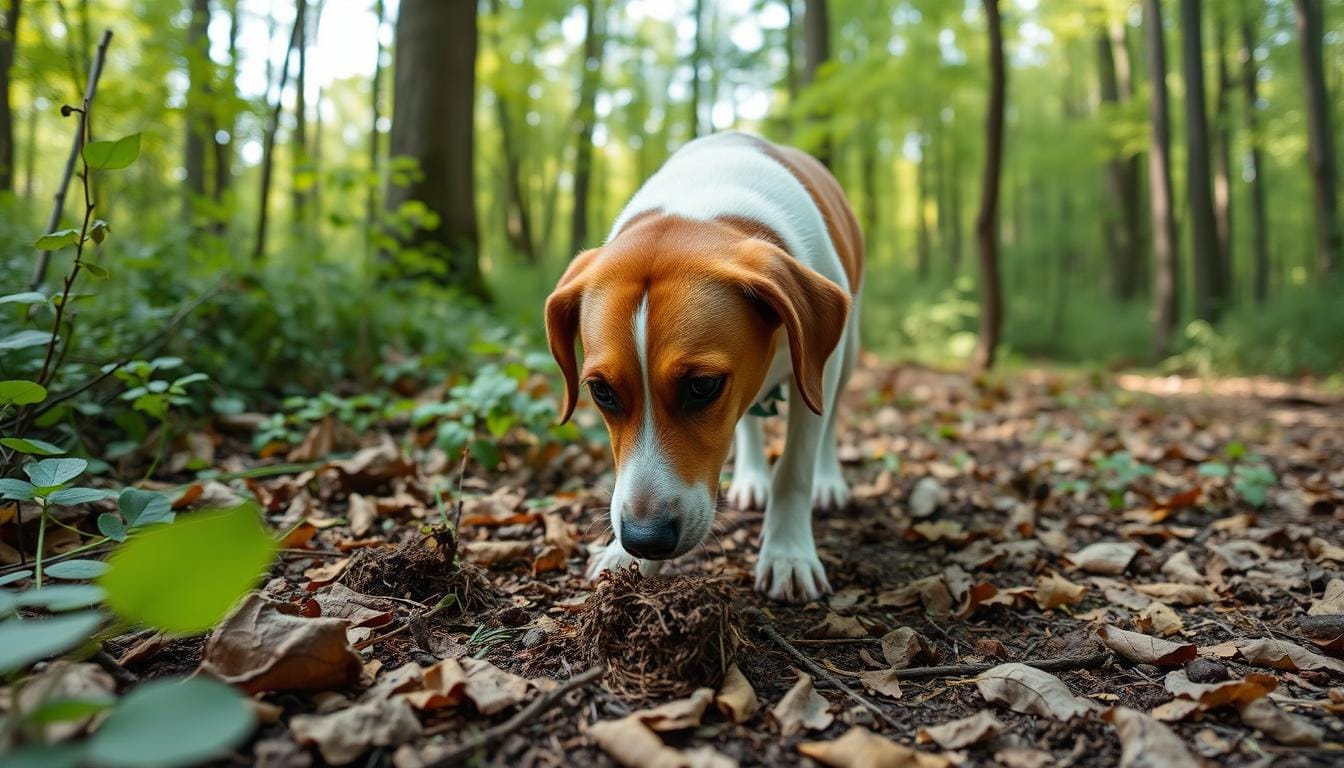
Understanding why your dog eats deer poop involves recognising their instincts. Dogs come from wolves, so they have inherited behaviours like scavenging. They might find deer faeces appealing, thinking it’s a missing nutrient in their diet.
Natural Instincts
Eating faeces, or coprophagia, comes from these instincts. In the wild, wolves do this to keep their area clean and get rid of parasites. This instinct can come back in your dog, making them eat deer poop sometimes.
Scavenging Habits
Dogs are opportunistic feeders, drawn to things they find outside, like deer droppings. In fact, 24% of dogs sometimes eat faeces, and 16% are serious about it. Some dogs even find deer poop tasty.
Inherited Behaviors
This behaviour is an inherited behaviour from their ancestors. Dogs might eat faeces if their diet is lacking in nutrients. Stress, anxiety, and boredom can also make them do it, even though it seems strange.
Health Concerns Associated with Eating Deer Poop

Dogs eating deer poop can face health issues. While many dogs handle bacteria in faeces okay, there are risks and illnesses to know about.
Potential Risks and Illnesses
Deer faeces might have Salmonella and E.coli bacteria. Most dogs won’t get sick from these, but other pathogens can be a problem. Even though roundworms and tapeworms are unlikely, dogs can still get Giardia.
A healthy dog on regular parasite control is unlikely to get sick from eating faeces, says Dr Sarah Greenwalt.
Digestive Problems
Eating faeces can cause digestive issues like vomiting or diarrhoea. Deer poop smells and tastes good to dogs because of fermentation in a deer’s stomach. This smell and taste can make dogs want to eat it.
Keeping your dog on a balanced diet can help them not want to eat unhealthy snacks.
Common Reasons Dogs Eat Faeces
Many things can make dogs eat faeces, a behaviour called coprophagia. Knowing why dogs do this is key to stopping it.
Nutritional Deficiencies
A bad diet can cause nutritional deficiencies in dogs. This makes them look for other food, like faeces. Some breeds, like retrievers, might eat faeces because they’re always hungry. Health issues like Exocrine Pancreatic Insufficiency (EPI) and malnutrition also make dogs want to eat faeces.
Boredom and Lack of Stimulation
Boredom is a big reason dogs eat faeces. Dogs left alone for too long might do this because they’re not busy enough. Keeping them active and giving them brain games helps prevent this.
Stress and Anxiety Factors
Stress and changes in their environment can also make dogs eat faeces. Dogs with anxiety might do this if they’ve been scolded for going potty in the wrong place. Helping them feel secure and reducing stress can stop this habit.
| Reason | Description |
|---|---|
| Nutritional Deficiencies | Led by poor diet quality, causing dogs to seek alternative food sources. |
| Boredom | Lack of stimulation may lead dogs to engage in coprophagia. |
| Stress Factors | Dogs under stress may eat faeces as a coping behaviour. |
Telltale Signs of Coprophagia

It’s important to know the signs of coprophagia in dogs. This habit can be spotted through certain behaviours and physical signs. Watching your dog closely is key to noticing any odd behaviours.
Behavioral Symptoms
Some common signs of coprophagia include:
- Frequent scavenging during walks or in the yard
- Increased fixation on faeces
- Signs of gastrointestinal distress, such as straining or discomfort
- Excessive attention-seeking behaviour
These signs might mean your dog is trying to get more nutrients or dealing with stress or boredom.
Physical Indicators
Physical signs of coprophagia can vary. They might include:
- Changes in appetite, which may involve an increase or decrease
- Weight loss or unexplained weight gain
- Signs of intestinal infections or other parasitic infections
- Altered energy levels that could suggest underlying health issues
Noticing these signs early can help you act quickly if your dog’s health changes.
How to Diagnose Your Dog’s Behaviour

Understanding your dog’s behaviour is key to their health and happiness. If your dog eats poop, it’s important to see a vet. They can check for health issues that might cause this behaviour.
Consulting Your Veterinarian
Seeing your vet is the first step to figuring out why your dog eats poop. They can spot health problems like enzyme issues or diabetes. Your vet might do tests to find out what’s wrong with your dog’s diet.
Talking about your dog’s behaviour can help find the cause. This way, you can work together to fix the problem.
Recommended Tests and Observations
Tests like blood work and stool checks can help find health issues. These tests are important if your dog’s behaviour is linked to their health. Also, watching your dog closely can show if stress or diet affects their behaviour.
Keeping track of what your dog eats and their vet’s advice is crucial. This helps you take care of your dog’s health and habits better.

Prevention Strategies for Deer Poop Consumption
To stop dogs from eating deer poop, it’s key to use the right strategies. A good diet is the first step. Make sure your dog eats high-quality food that has all the nutrients they need. This helps avoid behaviours like eating poop.
Adding apple cider vinegar to their food can help if they lack hydrochloric acid. Use about one teaspoon for every 25 pounds of body weight. For older dogs, digestive enzyme supplements like Prozyme can be helpful.
Proper Diet Considerations
Adding mineral supplements like kelp and bentonite can help if they eat stool due to mineral lack. Pineapple snacks can also make their stool taste bad, which might stop them. Canned, unspiced pumpkin is good for their digestive system and urinary health.
Providing Mental and Physical Exercise
Along with the right food, mental and physical activities are crucial. Give your dog toys and puzzle feeders to keep them busy and happy. Teach them commands like “leave it” and reward them with better things to eat.
This mix of strategies can make your dog’s life better. It will make them less likely to eat deer poop.
Behaviour Modification Techniques

To stop dogs from eating faeces, we need to teach them better habits. We can use positive reinforcement and deterrent products. These methods help change your dog’s behaviour for the better.
Positive Reinforcement Training
Positive reinforcement means rewarding your dog for good behaviour. It helps them not want to eat faeces. For example, give treats or praise when they ignore faeces during walks.
Training regularly helps them resist eating poop. But harsh punishment can make things worse. It can make them more anxious and lead to more coprophagia.
Deterrent Products and Techniques
Bitter-tasting sprays can stop dogs from eating faeces. Some people use hot sauce or lemon juice on their stool to make it taste bad. Also, special supplements like CoproBan or For-Bid can change the taste of their faeces.
Other methods include using muzzles when you can’t watch them. Also, always clean up faeces from your yard.
When to Seek Professional Help
If your dog keeps eating deer poop, even after trying home remedies, it’s time to get help. Finding out what health issues might be causing this behaviour is key.
Identifying Underlying Health Issues
Medical problems like malabsorption or nutritional deficiencies can make dogs eat stool. A vet can run tests, like stool tests for parasites, to start figuring out what’s wrong. Issues like diabetes or thyroid problems might also play a role. Knowing your dog’s health helps find the best way to stop this behaviour.
Behavioural Specialist Consultation
If medical tests don’t show anything, talking to a behavioural specialist is a good next step. They can create plans to stop stool eating based on your dog’s environment or learned habits. A behavioural expert can teach new ways to train your dog, improving their life and yours.
Stop Deer Poop Eating by Fixing the REAL Cause (Not Just the Symptom)
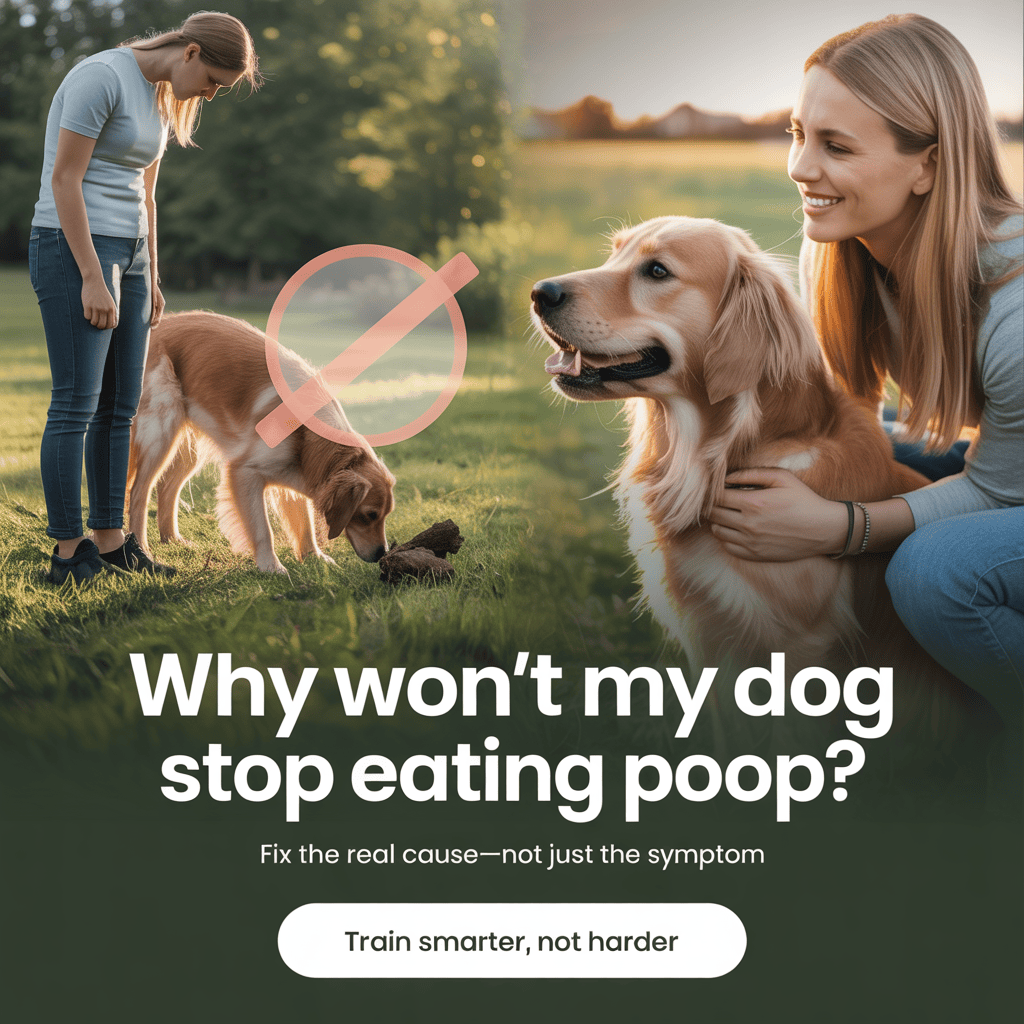
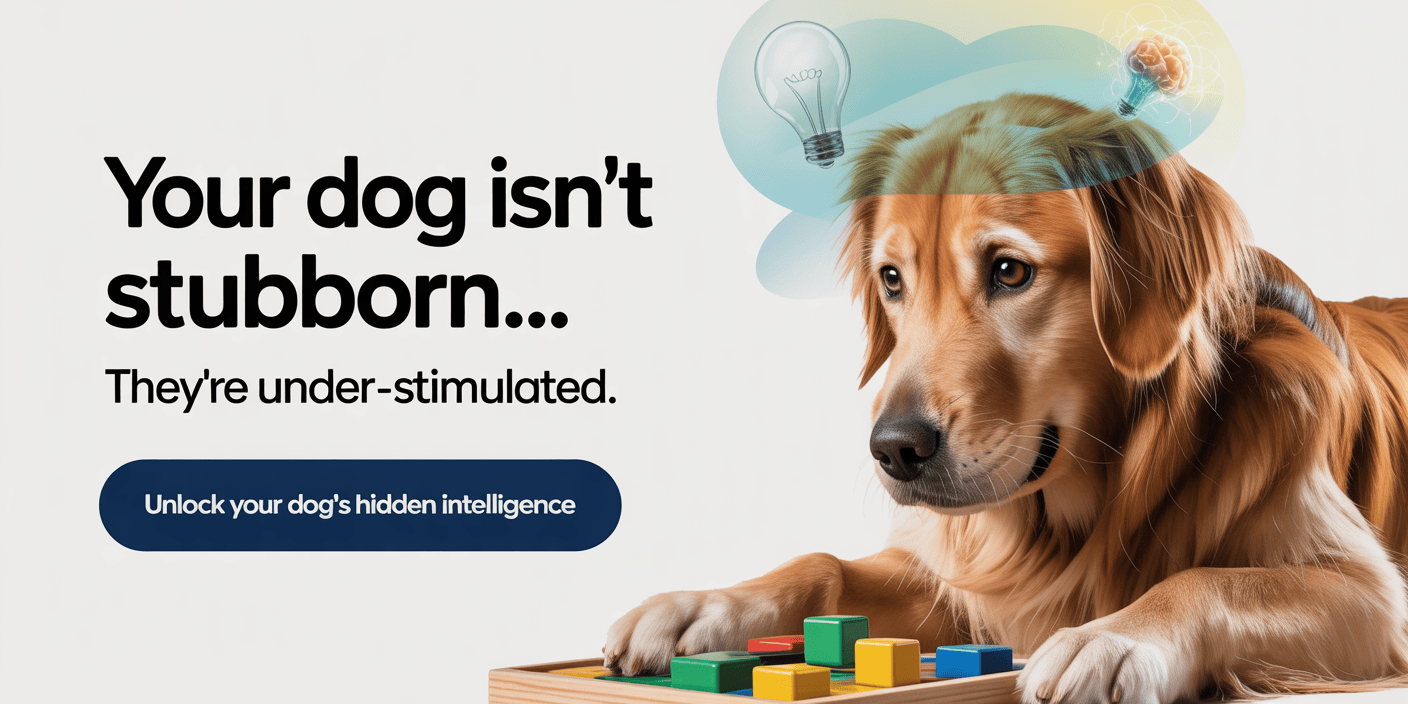
If your dog keeps eating deer poop, it’s not a “gross habit” — it’s a mental stimulation & impulse-control problem.
And punishment or yelling only makes it worse.
That’s why professional trainers recommend Brain Training for Dogs by Adrienne Farricelli (CPDT-KA Certified) — a proven, force-free system that retrains your dog’s brain to eliminate bad behaviours naturally.
🧠 Why Brain Training for Dogs Works:
- ✔️ Targets the root cause of poop-eating: boredom, anxiety & poor impulse control
- ✔️ Uses science-backed brain games to rewire unwanted behaviours
- ✔️ 100% force-free & gentle (no shock collars, no dominance tactics)
- ✔️ Step-by-step system trusted by thousands of dog owners worldwide
- ✔️ Fixes multiple issues at once — chewing, barking, jumping, reactivity & more
👉 Want Your Dog to Ignore Deer Poop for Good?
Give your dog the mental stimulation they’re missing and watch bad habits fade fast.
🔥 Click here to access Brain Training for Dogs (Risk-Free Today) 🔥
✔️ Instant access
✔️ 60-day money-back guarantee
✔️ Created by a certified professional dog trainer
Conclusion
It’s important to know why your dog might eat deer poop. This behaviour can be a sign of health problems, like not getting enough nutrients or having digestive issues. Finding out what’s causing it helps keep your dog healthy and happy.
As a pet owner, you can change this behaviour. Give your dog foods that are easy to digest and add supplements. Also, make sure they get enough exercise and mental stimulation to avoid boredom. Keeping their living area clean and watching what they do can also help a lot.
If your dog’s behaviour changes suddenly, see a vet. They can check for health problems. Knowing what your dog needs helps them stay well and strengthens your bond with them.
FAQ
Why does my dog eat deer poop?
Dogs eat deer poop because of their instinct to scavenge. They believe it has important nutrients. This behaviour comes from their ancestors, who were opportunistic feeders.
Is eating deer faeces harmful to my dog?
Yes, eating deer faeces can harm your dog. It can expose them to harmful bacteria, parasites, and toxins. These can cause illnesses, digestive problems, or even tooth decay.
What should I do if my dog is eating deer poop frequently?
If your dog eats deer poop often, take them to the vet. They can check for health issues. The vet will suggest tests and ways to manage this behaviour.
How can I stop my dog from eating deer faeces?
To stop your dog, use prevention strategies. Give them a high-quality diet and keep them mentally stimulated. Use positive reinforcement to discourage this behaviour.
Are there specific signs of coprophagia I should look for?
Look for signs like frequent scavenging and fixation on faeces. Also, watch for gastrointestinal distress, changes in appetite, or weight loss. Monitoring these symptoms is key to early action.
Can a poor diet cause my dog to eat faeces?
Yes, a poor diet can cause your dog to eat faeces. They may seek deer poop to get the nutrients they need because of a low-quality diet.
What role does boredom play in coprophagia?
Boredom can make dogs eat faeces. They may do this if they’re left alone for too long. Giving them mental and physical exercise can help.
When should I consider seeking professional help for my dog’s behaviour?
If your dog’s behaviour doesn’t change, seek professional help. A behavioural specialist can offer specific strategies and help with complex issues.