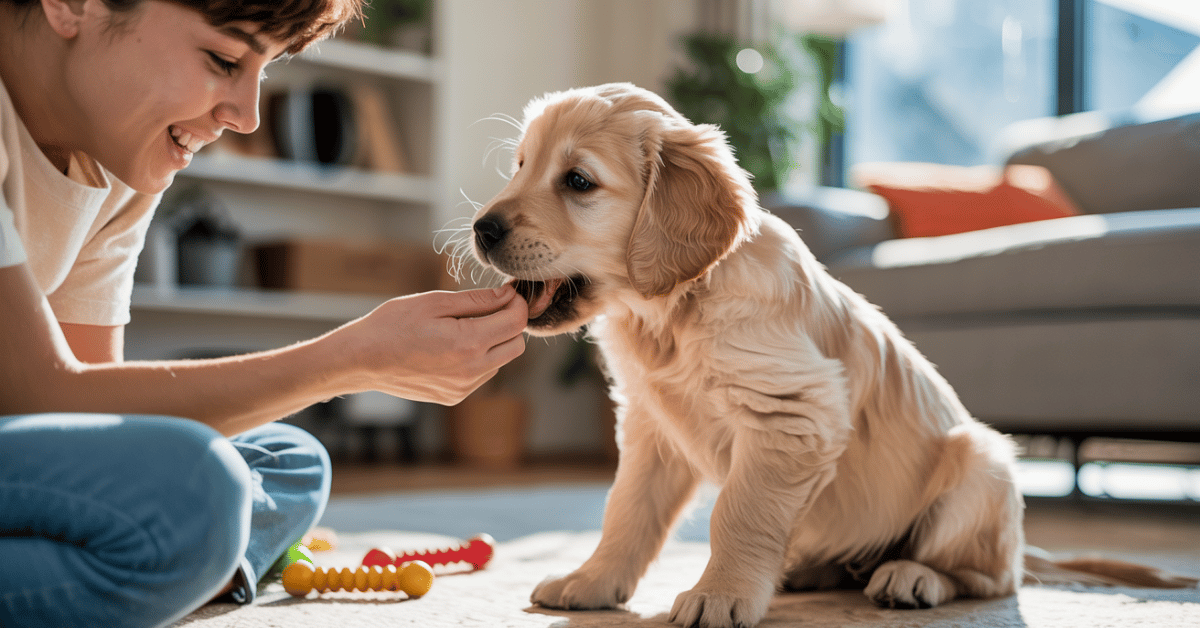
Is your new puppy making your daily life painful with nips and scratches? You’re not alone in this battle. Many owners wonder how to stop puppy biting hands and feet quickly and keep their sanity.
This behaviour is a natural part of a puppy’s growth. But you don’t have to suffer through it. By understanding why they bite, you can use proven, humane techniques to redirect their energy into fun play.
Our guide offers clear, step-by-step advice to strengthen your bond with your pet. You’ll learn to manage your dog’s curiosity and protect your skin. Let’s turn those sharp teeth into well-mannered habits for a lifetime of joy.
Key Takeaways
- Puppy nipping is a normal developmental phase, not an act of aggression.
- Consistent redirection helps your pet learn appropriate chewing outlets.
- Positive reinforcement builds trust and strengthens your bond.
- Ignoring unwanted behaviour prevents accidental rewards for nipping.
- Patience and structure are essential for long-term behavioural success.
Understanding Why Your Puppy Bites Hands and Feet
Figuring out why your puppy bites hands and feet is key to training them. It might get frustrating when they nip at your skin. But, this behaviour is not mean-spirited. It’s a normal developmental phase for young dogs as they learn about the world.
The Natural Instincts Behind Nipping
In the wild, puppies explore by mouth. This innate curiosity lets them check out textures, smells, and movements. By chewing and biting, they gather info about their surroundings.
Also, puppies play with their littermates by biting. When they come home, they see your hands and feet as playthings. They don’t know human skin is more sensitive than their siblings’ fur.
The Teething Stage and Oral Fixation
Puppies feel pain when their adult teeth come in. This biting is their way to ease the discomfort in their gums. By chewing on their fingers or things around the house, they’re trying to soothe their mouths.
Your success must give them safe chew toys. If you don’t, they’ll chew on whatever they can find. Giving them a textured toy can help them feel better and keep their skin safe.
Communication Through Mouthiness
Mouthiness is a main way for your dog to communicate. They might bite to play, get attention, or show excitement when you come home. They’re asking you to play or talk with them, even if it hurts.
By understanding this, you can respond with patience instead of anger. Teaching them better ways to interact with you will help. Being consistent will replace their sharp bites with gentle behaviour.
How to Stop Puppy Biting Hands and Feet Quickly Using Bite Inhibition
If your puppy bites hands when playing, you’re looking for peace. The best way is bite inhibition training. It teaches your dog to control their jaw pressure.
By mimicking natural feedback from littermates, your dog learns to play gently. This makes interactions safer and more enjoyable for everyone.

Teaching Your Puppy the Strength of Their Bite
When your puppy bites too hard, say “ouch” or “yipe” loudly. This startles them and teaches them that biting hurts. Consistency is key in this training.
After saying “ouch,” ignore your puppy for a few seconds. This teaches them that biting ends the fun. Over time, they’ll learn to play gently to keep the game going.
The Importance of Socialisation in Bite Control
Socialisation is crucial for your dog’s behaviour. Meeting other dogs teaches them important boundaries. Dogs will correct your puppy if they bite too hard, showing them what’s acceptable.
Arrange playdates with friendly, vaccinated dogs. This helps stop puppy biting by teaching them social rules. A well-socialised dog is more polite and less aggressive.
Recognising the Difference Between Play and Aggression
It’s normal to worry when your puppy bites hands when playing. But you must know the difference between play and aggression. Playful mouthing is loose and wiggly, with a “play bow” posture.
Aggression, on the other hand, is stiff, growly, and intense. If you see these signs, it’s time to seek professional help. With bite inhibition training, you can manage your puppy’s energy safely.
Step-by-Step Redirection Techniques for Persistent Biters
When your puppy sees your hands as chew toys, it’s time to redirect. This is a key part of positive puppy training. It helps your pet find better ways to play. Quick action stops them from getting into a bad habit.

Choosing the Right Chew Toys for Redirection
Not all toys are good for managing puppy chewing and biting. You need soft toys for gentle play and tough rubber chews for teething. Variety is key to keeping your puppy interested in their toys, not your skin.
Make sure the toys are safe and the right size for your dog. A small toy can choke them, and a hard one can hurt their teeth. Having these toys ready helps you quickly stop nipping episodes.
How to Swap Your Hand for a Toy Instantly
When you feel teeth on your skin, act fast and calmly. Give your puppy the toy, placing it in front of their mouth. This instant distraction teaches them that the toy is the right thing to chew on.
If they keep biting, stand up and walk away quietly. This shows that biting means no more fun. When they start playing with the toy, you can play again.
Using Positive Reinforcement to Reward Calm Choices
It’s important to reward your puppy for good choices. When they choose the toy over your fingers, praise them or give a treat. This positive reinforcement encourages them to make the right choice more often.
Being consistent is key to stopping puppy chewing and biting. Every time you reward calm behaviour, you strengthen your bond and train a better pet. Stay patient and consistent, and your puppy will learn to play nicely.
Mastering the Art of Stopping Play When Biting Starts
Learning how to stop puppy nipping is all about ending play when teeth touch skin. If other methods don’t work, ignoring your puppy is the best way to show that biting is wrong. This teaches them that biting means no more fun.

The Power of the Time-Out Method
If your puppy bites hands when playing, a time-out works wonders. You don’t need a crate; just stand up, cross your arms, and turn away. This neutral stance means playtime is over because of the rules.
Stay in this position for 15 to 30 seconds. When your puppy calms down, you can play again. This teaches them to stay calm to keep playing.
Why Ignoring Your Puppy Sends a Clear Message
Attention is what your dog values most. Ignoring them when they bite teaches them that biting is not rewarded. This method is the best way to stop puppy biting naturally without using fear or punishment.
Your puppy will learn that biting makes you ignore them. Since they want to play, they’ll keep their mouth closed. Being consistent is key to this lesson.
Body Language Cues That Signal Playtime is Over
Knowing when your puppy is too excited is crucial. Before they bite, they often show signs they’ve had enough. Look out for these signs:
- Dilated pupils or a “hard” stare.
- Rapid, frantic movements or zoomies.
- A stiff, tense body posture.
- Excessive barking or high-pitched whining.
When you see these signs, it’s time to stop playing before they bite. Stopping play early prevents bad habits. Prevention is easier than fixing problems later.
Setting Boundaries with Verbal Cues and Consistency
Consistency is key to turning a chaotic puppy into a calm, well-behaved friend. Setting clear rules gives your dog the structure they need to thrive. Using puppy biting training tips early helps avoid confusion and builds respect.

How to Say No Correctly Without Scaring Your Puppy
Your “no” should be firm but not scary. A sharp “Ouch!” or a calm “No” can stop a puppy in their tracks. Avoid shouting or physical punishment, as it can harm your bond and cause fear.
The goal is to teach your puppy that biting is not okay, not to scare them. Keep your tone neutral and consistent. This way, your puppy learns that biting means playtime ends, not a scary moment.
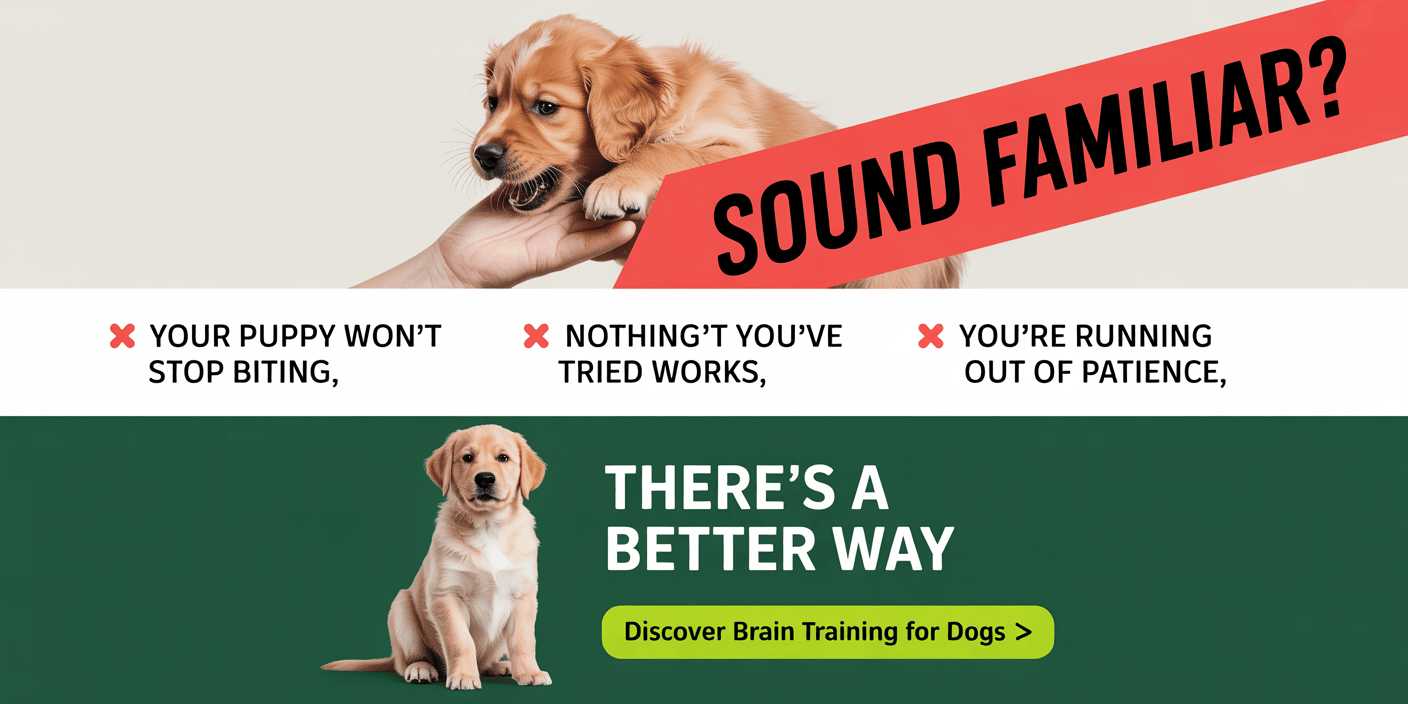
Maintaining Consistency Across All Family Members
One big challenge in positive puppy training is when family members don’t agree. If some allow biting and others don’t, your puppy gets confused. Everyone must use the same cues and reactions to make it clear.
Have a quick family meeting to agree on the words and actions you’ll use. When everyone is in sync, your puppy will learn faster and stop testing boundaries.
Avoiding Common Mistakes That Encourage Biting
Some owners accidentally make biting exciting by reacting in ways that puppies find thrilling. For example, pulling your hand away quickly or making high-pitched sounds can make your puppy want to chase and bite more.
To teach your puppy not to bite, stay calm and still when they nip. Avoid playing rough with your hands, as it makes human skin seem like a toy. Always have a chew toy ready to redirect their energy.
| Action | Effect on Puppy | Result |
|---|---|---|
| Shouting “No” | Creates fear or excitement | Ineffective |
| Calm “Ouch” | Signals end of play | Highly Effective |
| Wiggling fingers | Encourages prey drive | Counterproductive |
| Using a toy | Redirects natural urge | Positive Outcome |
Age-Specific Training Strategies for Every Development Stage
Your training methods need to change as your puppy grows. Every dog grows at their own pace. Using the same method for too long won’t work anymore. By changing your training to fit their age, you can meet their needs and avoid future problems.
Training Puppies Under 12 Weeks Old
In these early weeks, teaching bite control is key. Puppies learn jaw control by playing with their littermates. You should gently stop play when they bite you. This teaches them that human skin is not a toy.
Managing Biting During the Peak Teething Phase
Between four and six months, puppies feel a lot of pain as their adult teeth come in. This is when puppy teething biting often gets worse. Give them cold, chewy toys to help with the pain. This keeps them from biting you or your furniture.
Reinforcing Good Behaviour in Adolescent Dogs
When your puppy gets older, they might test limits more. Even if they know not to bite, they might still nip when upset. Stay consistent with your commands and time-outs. This helps them become a well-behaved adult dog.
| Developmental Stage | Primary Focus | Recommended Action |
|---|---|---|
| Under 12 Weeks | Bite Inhibition | Soft redirection and social cues |
| 4 to 6 Months | Teething Relief | Cold chews and heavy redirection |
| 6+ Months | Impulse Control | Consistent boundaries and training |
Advanced Training Solutions with Brain Training For Dogs
If your puppy still bites, they might need more than just walks. Mental stimulation is crucial. Owners often overlook the importance of a tired mind. A bored puppy might nip to release energy and seek fun.
Why Mental Stimulation Reduces Unwanted Biting
Mental challenges can calm a hyperactive puppy better than physical exercise. By solving problems, you give them a healthy outlet for their instincts. This method is great for how to stop puppy nipping by focusing on mental tasks.
“A dog’s brain is a muscle that needs regular exercise just as much as their legs do. When you engage their mind, you solve behavioral problems at the source.”
— Professional Dog Trainer
Overview of the Brain Training For Dogs Program by Adrienne Farricelli
For advanced training, check out the Brain Training for Dogs program by Adrienne Farricelli. It’s a detailed course that helps you understand your dog’s mind and improve their focus. It’s perfect for those looking to how to train a puppy not to bite with science-backed methods.
| Feature | Physical Exercise | Mental Stimulation |
|---|---|---|
| Primary Goal | Burn calories | Build focus |
| Impact on Biting | Temporary relief | Long-term reduction |
| Effort Level | High physical demand | High cognitive demand |
Implementing Expert-Led Exercises to Curb Nipping
Start these expert-led exercises now to see a change in your puppy. The brain training for dogs method uses simple items for games that reward calmness. Regular mental challenges will make your puppy more focused and less likely to nip.
Consistency is key in any training. Spend a few minutes each day on these games. Soon, your puppy will be calmer and more well-behaved. Investing in their mental growth strengthens your bond with them.
Common Owner Frustrations and How to Overcome Them
If you’re feeling frustrated during training, take a deep breath. It’s normal to feel tired when your puppy ignores you. Consistency is your greatest ally during these tough weeks.
Dealing with Puppy Bites During Walks
Many owners face the issue of puppy biting feet when walking. This can make walks stressful. It often happens because they’re overstimulated or want to play.
Try carrying a small toy to distract them when they bite your ankles. If the biting doesn’t stop, stop walking and stand still. This teaches them that biting ends the fun. Once they calm down, give them a treat and continue walking.
Handling High-Energy Biting Episodes
When your puppy gets into a “zoomie” phase, they might bite a lot. To stop this, give them a high-value chew toy right away. This helps them release energy without biting you.
Patience is not the ability to wait, but the ability to keep a good attitude while waiting.
— Joyce Meyer
Staying Patient During the Training Process
Wondering how long this phase will last? Remember, every dog grows at their own pace. By staying calm and avoiding harsh corrections, you can stop puppy biting naturally. Rewarding calm behaviour strengthens your bond.
Here’s a table to help you identify and handle common triggers:
| Trigger Situation | Common Reaction | Recommended Solution |
|---|---|---|
| Walking on Leash | Nipping at ankles | Stop movement and redirect |
| High-Energy Play | Aggressive mouthing | End play and ignore |
| Teething Discomfort | Chewing hands | Provide frozen chew toys |
| Attention Seeking | Nipping for notice | Teach “sit” for rewards |
Keep training sessions short and positive. This keeps your puppy interested. With time and effort, biting will decrease. Stay committed, and you’ll have a calmer companion soon.
When to Seek Professional Help for Puppy Behaviour Problems
Knowing when your puppy’s behaviour is a problem is key. Most nipping is normal, but some signs can mean deeper issues. If bite inhibition training doesn’t work, it’s time to get help.
Identifying Signs of Resource Guarding or Fear-Based Biting
Not all nipping is just play. Watch for resource guarding, like growling over food or toys. These are serious signs needing special help.
Extreme fear, like cowering or lunging at strangers, is not normal puppy behaviour. If your puppy bites feet when walking due to fear, act fast. Early help ensures your dog grows up confident.
Finding a Certified Professional Dog Trainer
When you need help, look for a Certified Professional Dog Trainer (CPDT) who uses positive methods. Avoid trainers who punish harshly, as it can make fear biting worse. A good trainer will understand your puppy’s body language and create a plan just for you.
Check out the Association of Professional Dog Trainers for trusted professionals. Ask about their experience with puppies and their approach to mouthiness. A great trainer will help you lead your pet better.
When to Consult Your Veterinarian About Behavioural Issues
Behavioural issues can sometimes be health problems. If your puppy becomes aggressive or bites more, see the vet. Pain or discomfort can make a puppy snap.
Your vet can check for health issues causing stress. If it’s just a behaviour problem, they might suggest a veterinary behaviourist. Getting this level of care shows you care deeply about your puppy’s health.
🐶 Transform Your Dog’s Behaviour Without Harsh Training!
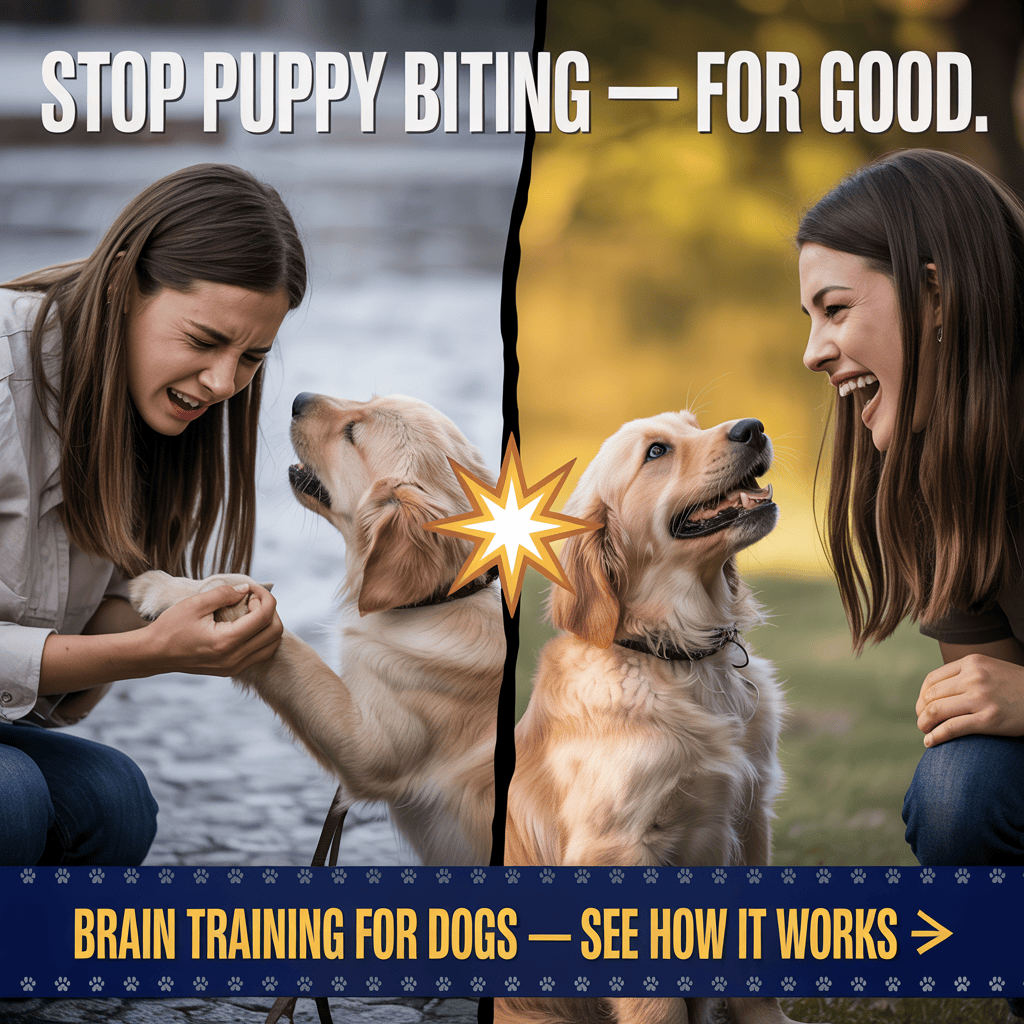
Tired of barking, biting, chewing, pulling, or ignoring commands? Brain Training For Dogs helps unlock your dog’s hidden intelligence using fun, force-free games and step-by-step training created by certified trainer Adrienne Farricelli.
✨ Why Dog Owners Love It:
- ✅ Stop bad behaviour at the root cause
- ✅ Improve obedience & listening fast
- ✅ Gentle, science-based training methods
- ✅ 21 brain games for smarter behaviour
- ✅ Puppy training + aggression + barking help
- ✅ Video lessons + easy step-by-step guides
- ✅ 60-Day Money Back Guarantee
🔥 Give Your Dog the Training They Deserve
Create a calmer, happier, well-behaved dog starting today.
👉 Get Instant Access to Brain Training For Dogs Now!
Conclusion
Stopping puppy biting is a journey that needs patience and a clear plan for your dog’s future. You can make your pet calm and well-behaved with daily practice.
Fixing puppy behaviour problems early builds trust that lasts a long time. Every time you redirect and reward your puppy, you strengthen your bond.
Think about using the Brain Training For Dogs program by Adrienne Farricelli. It keeps your puppy’s mind active. This helps stop nipping by giving them the mental stimulation they need.
This time of growth goes by fast. Stick to your training plan to help your puppy become polite. Your hard work today will make your home peaceful for everyone.
FAQ
How to stop a puppy biting hands and feet quickly when they are overexcited?
The “reverse time-out” is the fastest way to stop an overexcited puppy. Stop all movement and interaction immediately. If biting continues, leave the room for 30 seconds. This teaches them that biting ends social interaction, which they desire.
Is puppy teething biting different from regular nipping?
Yes, teething biting is driven by gum pain as adult teeth emerge. While training remains the same, provide soothing chew toys to address discomfort.
My puppy bites hands when playing; should I use a muzzle?
No, muzzles are not recommended for normal play biting. Use bite inhibition training and toys to redirect. Muzzles don’t teach what to do; positive reinforcement does.
What are the best puppy biting training tips for children?
Teach children to “be a tree” when bitten—stand still, fold arms, and look away. Moving and screaming can trigger a puppy’s prey drive. Always supervise and give a toy to redirect.
How can I stop puppy biting naturally without using physical discipline?
Use vocal cues like a high-pitched yelp to mimic littermates. Provide mental stimulation. Physical discipline can make them fearful or more aggressive.
Why does my puppy bite its feet when walking?
This is often due to herding instincts or playfulness. Carry a high-value toy and redirect before they bite your shoes. Consistency in stopping movement is key.
Does Adrienne Farricelli’s Brain Training for Dogs help with biting?
Absolutely. It addresses mental boredom leading to destructive mouthiness. It shifts focus from your limbs to rewarding puzzles.
When should I worry about puppy behaviour problems like aggression?
If biting is stiff, shows whites of the eyes, or guards items, it may be aggression. Consult a certified trainer to address these issues early.