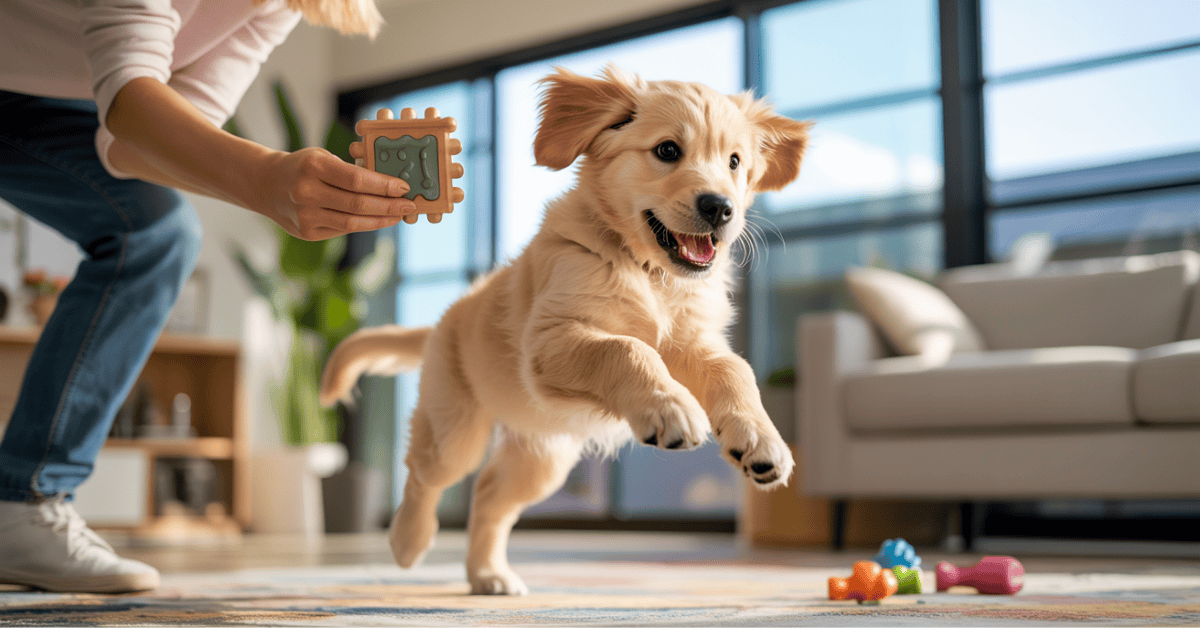
You sit down to relax after a long day, but your hyper puppy is racing around. It’s exhausting to watch and hard to manage when you just want peace.
Your furry friend isn’t being naughty. Their high energy is just a sign of overflowing vitality that needs a healthy outlet. Instead of getting frustrated, you can help them calm down.
Learning to channel that energy can make your home peaceful for everyone. Structured interventions are key. Let’s see how to turn that chaos into calm for your pet.
Key Takeaways
- High energy is a natural trait in young dogs, not a behavioural flaw.
- Focus on providing productive outlets for physical and mental stimulation.
- Consistency in your daily routine helps regulate your pet’s excitement levels.
- Avoid punishment, as it often increases anxiety and confusion.
- Small, intentional changes in your home environment foster lasting tranquillity.
Understanding the Root Causes of High-Energy Puppy Behaviour
It might surprise you to know that your puppy’s wild behaviour often comes from not enough sleep. Puppies need 15 to 20 hours of sleep each day to be well-rested. Without this, they can’t control their nervous system, leading to frantic behaviour.
Managing energetic puppy behaviour means looking beyond the surface. What seems like joy might actually be your puppy being overtired. By focusing on rest, you can help them find balance.
Distinguishing Between Normal Puppy Play and Overstimulation
It’s key to tell normal play from overstimulation. Normal play is rhythmic, balanced, and includes breaks where your puppy checks in. Overstimulation, on the other hand, is frantic, repetitive, and hard to stop.
If your puppy is nipping, zooming, or can’t focus, they’re exhausted. This energetic puppy’s behaviour shows their brain is too full. It’s time to help them find a quiet spot for a nap.
Identifying Environmental Triggers for Indoor Hyperactivity
Your home’s environment affects your puppy’s energy levels. Bright lights, loud TV, or constant family movement can keep them alert. These things stop them from resting, even when they’re tired.
Watch your home to see when your puppy gets hyperactive. It might be when kids play, or dinner is ready. By reducing these stimuli, you can make a calmer space for your pet.
Hyper Puppy Indoors Do This Instead: Immediate Calming Techniques
Wondering what to do with a hyper puppy? You’re in the right spot. Instead of yelling or chasing, try calming activities. These help your puppy calm down.
Implementing the Calm-Down Protocol
Resetting a frantic puppy is key. Sniffing is incredibly important for dogs. It’s like a reset button for their brain.
Scatter treats on the floor or use a snuffle mat. This makes your puppy focus on their nose. It helps them slow down and relax.
This method works best with consistency. Once they start sniffing, they often calm down. This makes it easier to guide them to a nap or quiet time.
Using Controlled Breathing and Body Language to De-escalate
Your energy affects your puppy. Quick movements or high-pitched tones can make them more energetic. To calm them down, slow your movements and breathe deeply.
Avoid direct eye contact, as it can seem like a challenge. Instead, turn your body slightly and relax. This shows your puppy that it’s safe to calm down. When you manage a hyper puppy indoors without frustration, you’ll see a big change in their behaviour.
Creating a Dedicated Indoor Sanctuary for Your Puppy
Managing a high-energy puppy is more than just training. It also means creating a special space for them to relax. When your home is too busy, your puppy might find it hard to calm down. A dedicated sanctuary gives them a place to unwind and make better choices.

Setting Up a Safe Zone with Calming Tools
A safe zone is like a “success station” for your puppy. It’s where they find only good things to do. Use a playpen or a gated area to keep them away from distractions. This is crucial for managing a high-energy puppy as it stops them from getting too stressed.
Inside, add things that help them relax, not get excited. Think soft bedding, a chew toy, or a calming diffuser. Consistency is key. Make sure this spot is always a safe, quiet place for your puppy.
The Role of Crate Training in Emotional Regulation
Crate training helps your puppy learn to calm down on their own. When done right, the crate is like a personal den for them. It’s a place to hide from the world, not a punishment.
Using the crate for naps helps manage a high-energy puppy by giving them downtime. This teaches them they don’t always have to be “on.” Soon, they’ll see the crate as a sign to relax and recharge.
Mental Stimulation Games to Burn Off Excess Energy
You can turn your living room into a place for brain games to tire out your puppy. Redirecting hyper puppy energy through brain tasks is a healthy way to channel their energy. It’s often better than physical play to calm a restless dog.

Utilising Puzzle Feeders and Interactive Toys
Food puzzle toys are great for redirecting hyper puppy energy into solving problems. They make mealtime a challenge, helping your puppy slow down and think. This can make mealtime last 10-15 minutes longer, calming their nervous system.
Here are some benefits of using interactive feeders:
- Increased focus: Your puppy must concentrate to get the kibble.
- Reduced anxiety: The action of nudging a toy is calming.
- Constructive play: It keeps them busy without needing constant human interaction.
Teaching Scent Work Games for Indoor Focus
Scent work uses your puppy’s natural foraging skills, a great way to use up mental energy. Hide small, valuable treats around a room and say, “Find it.” This game boosts confidence and helps them relax after the search.
“A tired brain is just as important as a tired body when raising a balanced puppy.”
— Canine Behaviour Specialist
Start with easy spots to hide treats before moving to harder ones. This method of redirecting hyper puppy energy helps them focus and relax, even when they’re not playing.
| Game Type | Primary Benefit | Difficulty Level |
|---|---|---|
| Puzzle Feeder | Slows down eating | Beginner |
| Scent Hide-and-Seek | Builds focus | Intermediate |
| Interactive Tug | Impulse control | Advanced |
Physical Exercise Strategies for Small Indoor Spaces
You don’t need a big backyard to keep your hyper puppy active. Even in small spaces, you can set up interactive indoor activities for puppies. These activities keep them busy and happy. You can use your furniture and a few tools to make your home a training area.

Engaging in Controlled Indoor Fetch and Tug
Games like fetch and tug-of-war are great for burning energy. Just make sure to keep things under control. Use a soft toy for fetch to avoid damage. Always teach your puppy the “drop it” command before throwing the toy again.
Tug-of-war is good for building muscle and focus. But it needs clear rules. If your puppy gets too excited or nips at your hands, stop the game. Consistency is key to making these games fun and not chaotic.
Practising Indoor Agility with Household Items
You can make a DIY agility course with household items. Use broomsticks on books as hurdles or a cardboard box tunnel. These obstacles help your puppy feel confident and burn energy safely.
Begin by guiding your puppy through the course with treats. As they get better, add more challenges. This activity is great because it’s both physically and mentally demanding.
| Activity Type | Primary Benefit | Space Required | Difficulty Level |
|---|---|---|---|
| Indoor Fetch | Cardio Exercise | Low | Easy |
| Tug-of-War | Muscle Building | Very Low | Moderate |
| Agility Course | Coordination | Medium | Advanced |
Mastering Impulse Control Through Training
Impulse control is key for hyper puppies living indoors. Teaching your dog to pause before acting makes them easier to manage. These calming techniques for indoor puppies help your pet learn patience in a busy home.

Teaching the Leave It Command
The “leave it” command is essential for impulse control. It shows your puppy that ignoring something now means a better reward later. Begin by holding a treat in your fist and waiting for your puppy to stop trying to get it.
When they ignore your hand, give them a better treat from the other hand. Consistency is key in this training. As your puppy gets better, you can place the item on the floor and cover it with your hand. This makes the task harder but helps your puppy learn to wait.
Reinforcing the Settle Cue for Quiet Time
A “settle” cue tells your puppy it’s time to relax. Use the “place” command to teach them to go to a spot and stay until you say it’s okay. This sets a clear boundary for quiet time.
Begin by rewarding your puppy for just stepping onto their mat. Then, increase how long they must stay there before getting a treat. This is a great calming technique for indoor puppies because it gives them a place to rest.
| Training Skill | Primary Goal | Best Environment |
|---|---|---|
| Leave It | Ignore distractions | Anywhere indoors |
| Place Command | Physical relaxation | Designated mat or bed |
| Settle Cue | Emotional regulation | Quiet living areas |
Adding these exercises to your daily routine strengthens your bond with your pet. Remember, patience and positive reinforcement are crucial. With regular practice, your puppy will learn to handle indoor life better.
Managing Your Own Energy to Influence Your Puppy
Your puppy reads your body language to figure out how to act. Quick movements or high-pitched voices can make them think it’s time to be energetic too. Learning calming techniques for indoor puppies helps lower the room’s energy.
Why Your Calmness is the Best Tool
Dogs are great at sensing human emotions. If you’re stressed, your puppy will likely feel restless too. Being calm sends a silent message to relax.
Move slowly and speak softly when your puppy gets too energetic. This helps them understand the environment is calm. Being consistent is a key calming technique for indoor puppies.
Avoiding Accidental Reinforcement of Excitement
It’s easy to accidentally encourage a hyper puppy by giving them attention. Saying “no” when they jump or bark can keep them excited. This can prolong their energetic behaviour.
The best strategy is to ignore attention-seeking behaviours. Turning your back or walking away shows them that loud or pushy behaviour doesn’t work. This is crucial for teaching better manners with calming techniques for indoor puppies.
When your puppy stops the unwanted behaviour, wait a bit before praising them. This teaches them that calmness earns their attention. Over time, they’ll learn that quietness is the best way to get your attention.
Routine and Structure as a Foundation for Peace
Creating a daily routine helps channel hyper puppy behaviour into good habits. A set schedule for meals, walks, and training keeps your puppy calm and secure. Without it, they might find it hard to know when to relax or play.
Establishing Consistent Nap Schedules
Puppies, like toddlers, don’t know they’re tired until they get cranky. A strict nap schedule stops frenetic energy that can lead to biting or wild running. Make sure they have at least two hours of quiet time for every hour of play.
“Structure is the invisible leash that guides a puppy toward calmness, turning chaotic energy into a predictable, manageable flow of daily life.”
Keeping nap times the same every day helps your puppy learn to calm down on their own. This creates a natural rhythm for their brain and body to rest after a busy day.
Balancing Active Play with Mandatory Rest Periods
It’s important to separate playtime from quiet moments to teach your puppy self-control. The table below shows how a balanced day keeps your puppy happy and well-regulated.
| Time Block | Activity Type | Goal |
|---|---|---|
| Morning | Active Play & Training | Burn energy |
| Mid-Day | Mandatory Nap | Emotional recovery |
| Afternoon | Mental Stimulation | Focus building |
| Evening | Relaxation & Settle | Prepare for sleep |
Switching between these activities helps channel hyper puppy behaviour into a healthy balance of activity and rest. Remember, mandatory rest is essential for growth, not a punishment. Sticking to this routine will greatly reduce indoor hyperactivity.
Troubleshooting Common Challenges During Indoor Training
At times, the best indoor puppy training tips are about solving sudden behaviour changes. It’s normal for young dogs to test limits as they grow. Stay calm and consistent to guide them to better habits without getting frustrated.
Handling Nipping and Jumping During Play
Nipping and jumping show excitement or a need for attention. If your puppy jumps, immediately turn your back and cross your arms. This teaches them that only four paws on the floor get your attention.
For nipping during play, give a durable chew toy instead. This redirects their energy to a proper object, protecting you and teaching good behaviour. Being consistent with these indoor puppy training tips helps avoid unwanted contact.
Addressing Excessive Barking When Bored
Excessive barking means your puppy is bored or lacks mental stimulation. Instead of scolding, find out what they need. A puzzle toy or a short training session can distract them from barking.
If your puppy is still restless, see your vet. Medical conditions like thyroid issues or allergies can cause hyperactivity. Checking for these ensures your training is based on health.
| Behavior | Likely Cause | Recommended Action |
|---|---|---|
| Nipping | Teething or excitement | Redirect to a chew toy |
| Jumping | Attention seeking | Ignore until calm |
| Barking | Boredom or frustration | Provide mental enrichment |
| Restlessness | Physical discomfort | Consult your veterinarian |
Remember, your puppy is still learning. Using these indoor puppy training tips helps them thrive. Patience and watching them closely are key in this journey.
🐶 Is Your Hyper Puppy Driving You Crazy Indoors?
Turn wild energy into calm focus with a fun, force-free training system created by certified dog trainer Adrienne Farricelli.
✅ Why Dog Owners Love Brain Training For Dogs
- 21 brain games to drain energy fast
- Helps stop jumping, barking, chewing & hyperactivity
- Step-by-step videos anyone can follow
- Gentle force-free methods only
- Perfect for puppies and difficult dogs
- Build a calmer, smarter, obedient dog
🎯 Want a Calm Puppy Without Stress?
Give your puppy the mental exercise they crave and see behaviour improve fast.
👉 Click Here to Access Brain Training For Dogs Now
Calm Your Puppy. Enjoy Your Home Again.
Conclusion
Raising a happy dog needs patience and a good plan. When your puppy is too hyper indoors, don’t let it upset you. Instead, find ways to manage it.
Building a strong bond with your pet is key. Making small changes in your routine can make a big difference. Tools from brands like Kong or Outward Hound can help keep your puppy’s mind and body active.
Being consistent shapes your dog’s personality. You can turn their energy into calm with daily practice. This way, your home stays a peaceful place for everyone.
Be patient as you train your puppy. Each session brings you closer to a well-adjusted dog. Your consistency is the base for a lifetime of happiness and respect.
Share your training journey with other pet owners. Learning from each other helps everyone raise balanced pets. Start making your home quieter today with these effective methods.
FAQ
Why is my puppy suddenly acting so hyper indoors when they should be tired?
Energetic puppy behaviour can peak when they’re overtired. Puppies need 15 to 20 hours of sleep daily. Missing these rest periods can cause the “zoomies.”If your puppy is hyper, try putting them in a quiet space or crate for a nap. This helps their brain reset.
What is the fastest way to calm down a puppy that is bouncing off the walls?
Using a puppy’s sense of smell can calm them down. Sniffing lowers their heart rate and focuses their brain. Instead of yelling, try scattering treats for them to sniff. This simple act redirects their energy and de-escalates tension quickly.
How can I manage a high-energy puppy if I live in a small apartment?
Managing a high-energy puppy in a small space needs a mix of management and fun indoor activities. Use a Midwest Homes for Pets exercise pen or crate as a quiet spot. You can also create an indoor agility course with items like chairs and broomsticks. This challenges their coordination without needing a big backyard.
What are some effective indoor puppy training tips for mental stimulation?
Mental exhaustion can be more effective than physical for a growing dog. Use puzzle feeders like the Nina Ottosson Dog Brick to turn mealtime into a challenge. Teaching scent work games is also great. Hide kibble around the room for them to find. This provides mental stimulation and calms them down.
How do I stop my puppy from nipping and jumping when they get excited?
These behaviours often mean they’re bored or lack impulse control. Teach them the “place” or “settle” command using a mat or bed. Reward them for staying in one spot. If nipping persists, consult a vet or a certified trainer from the APDT. They can help ensure there are no medical issues and refine your training.
Does my own energy affect how my puppy behaves?
Yes, your puppy watches your body language and tone. High-pitched corrections or frantic movement can make them more excited. Stay calm and ignore attention-seeking behaviours. When you’re still and quiet, your puppy is more likely to relax too.
How can I use a daily routine to prevent hyperactivity?
A daily routine is key to peace. Create a schedule that balances play with rest. Include specific times for indoor activities and “quiet time” in their sanctuary. This predictability reduces anxiety and overstimulation, helping prevent hyperactivity.



Nạp tiền qua ngân hàng vào F8bet 24/7 không lo nghẽn mạng, lên điểm chính xác từng đồng.