Have you ever wondered why your loyal companion suddenly turns into a source of tension when the doorbell rings? It is a common struggle that leaves many owners feeling anxious and embarrassed in their own homes.
Understanding why a dog growls at guests is the first step toward restoring peace. This behaviour is often a form of communication rather than pure aggression. By learning what to do when a dog growls at guests, you can address the root cause effectively.
Our guide provides how to stop dog growling at guests using simple, positive reinforcement techniques. You will discover how to interpret your pet’s body language and create a calm environment for everyone involved. Taking control of the situation ensures your home remains a welcoming space for your friends and family.
Key Takeaways
- Recognise that vocal warnings are often a sign of fear or anxiety.
- Prioritise safety by creating a secure space for your pet during visits.
- Use positive reinforcement to reward calm behaviour around new people.
- Avoid punishment, as it may increase stress and worsen the reaction.
- Consult a professional trainer if the behaviour persists or escalates.
Understanding Why Your Dog Growls at Guests
Many owners feel startled when their dog barks and growls at visitors, but this behaviour often serves as a clear communication tool. Rather than acting out of pure malice, your pet is likely attempting to establish a boundary. By viewing the growl as a warning rather than an attack, you can better address the underlying emotions driving the reaction.
Identifying Fear and Anxiety Triggers
A fearful dog growling at strangers is usually reacting to a perceived threat in their environment. When a dog feels cornered or overwhelmed by a new person, they use vocalisations to signal that they need more space. This defensive posture is an instinct to keep themselves safe from potential harm.
You might notice your dog tucking their tail or hiding behind your legs before the growl begins. These subtle signs indicate that the animal is experiencing significant stress. Identifying these triggers early allows you to intervene before the situation escalates into a more intense reaction.
Recognising Territorial Behaviour and Protective Instincts
Sometimes, territorial dog behaviour stems from a desire to guard the home or family members. Dogs are naturally inclined to protect their resources, which include the living space they share with you. When a stranger enters this space, the dog may feel compelled to announce their presence and deter the intruder.
This protective instinct is common in many breeds, but it requires careful management to ensure it does not become a liability. You must teach your dog that guests are welcome visitors rather than threats to your household. Consistent leadership helps the dog understand that you are in control of the environment.
The Impact of Lack of Socialisation
Proper dog socialisation training is essential for helping your pet feel comfortable around new people. Without early exposure to a variety of faces, sounds, and environments, dogs may develop suspicion toward anyone outside their immediate family. This lack of experience arrives a guest a confusing and frightening event for the animal.
Socialisation is not just for puppies; adult dogs can also benefit from structured, positive experiences. By gradually introducing your dog to new people in a controlled manner, you build their confidence and reduce the likelihood of defensive reactions. Patience is the key to helping your dog learn that the world is a safe place.
| Behavioral Trigger | Primary Emotion | Typical Body Language |
|---|---|---|
| Fear/Anxiety | Insecurity | Tucked tail, cowering, avoiding eye contact |
| Territorial | Possessiveness | Stiff posture, ears forward, intense staring |
| Lack of Socialization | Confusion | Hesitation, pacing, barking at distance |
Reading Your Dog’s Body Language Warning Signs
Understanding the silent language of your pet is the most effective way to prevent them from becoming a dog aggressive toward guests. Dogs rarely jump straight to growling without first attempting to communicate their discomfort through physical signals. By paying close attention to these early indicators, you can intervene before a situation escalates.
Subtle Cues Before the Growl
Before a dog feels the need to vocalise, they often display micro-expressions that signal stress. Look for signs such as rapid lip licking, yawning when they are not tired, or “whale eye,” where the whites of the eyes become visible. These behaviours are your dog’s way of saying they feel overwhelmed by the presence of a visitor.

A stiff, frozen posture is another critical warning sign that your pet is not comfortable. If your dog stands perfectly still with their tail held high or tucked tightly between their legs, they are likely feeling threatened. Recognising these subtle cues early is essential to ensure your pet does not become a dog aggressive toward guests during social gatherings.
Distinguishing Between Playful and Aggressive Growling
It is important to differentiate between healthy, playful vocalisations and genuine warnings. Playful growling is usually accompanied by a loose, wiggly body and a relaxed facial expression. Your dog might perform a “play bow,” keeping their front end low while their rear remains high and mobile.
In contrast, an aggressive growl is almost always paired with extreme physical rigidity. If your dog’s muscles are tense, their mouth is closed tightly, or their hackles are raised, they are likely issuing a serious warning. Always prioritise safety by creating distance if you notice these signs, as this helps prevent your pet from acting aggressively toward guests.
Immediate Actions When Guests Arrive
When your doorbell rings, your immediate reaction dictates how your pet handles the arrival of guests. If you remain calm and composed, your dog is more likely to mirror that energy. Conversely, rushing to the door with anxiety can cause your dog growls at visitors before they even enter your home.
Managing the Environment to Prevent Escalation
You should create a space where your pet feels secure rather than trapped. If your home has an open layout, consider using baby gates to block off the entryway. This simple barrier prevents your dog from feeling the need to defend the threshold.
Proactive environmental management is the most effective way to lower stress levels. By limiting the dog’s access to the front door, you remove the pressure that often leads to territorial displays. A quiet, comfortable room with a favourite toy can serve as a sanctuary during the initial greeting phase.

Using Leash and Crate Management Tips
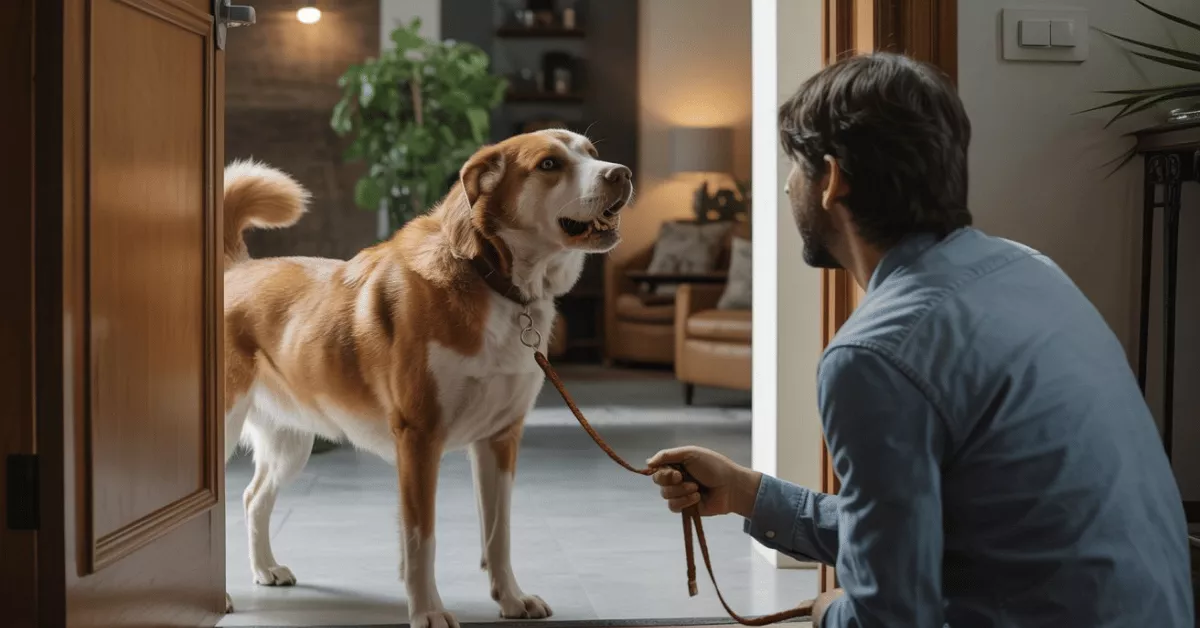
Using a leash during the first few minutes provides you with physical control. When your dog growls when people come over, a leash allows you to guide them away from the guest safely. Keep the leash loose to avoid adding tension, which can inadvertently signal that you are also worried.
Crate training is another powerful tool for managing high-energy arrivals. If your dog is comfortable in their crate, place it in a quiet area where they can observe the activity without being in the middle of it. This prevents the dog from barking and growls at visitors by giving them a defined, safe space to retreat to.
Safety Protocols for Children and Visitors
Safety must always be your top priority when guests are present. Never allow children to approach a dog that is showing signs of discomfort or agitation. It is essential to educate your visitors on how to interact with your pet, specifically by ignoring the dog until it is calm.
| Strategy | Primary Benefit | Best For |
|---|---|---|
| Baby Gates | Prevents crowding | High-traffic entryways |
| Leash Control | Immediate guidance | Active, reactive dogs |
| Crate Placement | Total separation | Anxious or fearful dogs |
| Neutral Greeting | Reduces excitement | All visiting guests |
Always maintain a clear exit path for your dog. If they feel cornered, their instinct may be to lash out. By following these protocols, you ensure a safer environment for everyone involved.
How to Safely Manage Introductions
When your dog growls when people come over, the way you introduce them matters most. Many owners rush this process, which often leads to unnecessary tension and defensive behaviour. By slowing down and choosing the right location, you can help your pet feel much more secure.

Creating a Neutral Space for First Meetings
The best way to start is by moving away from your front door or living room. These areas are often viewed as territory that your dog feels compelled to defend. Instead, choose a neutral location like a quiet park or a sidewalk a block away from your home.
Meeting on neutral ground removes the pressure of protecting a specific space. Your dog is less likely to react aggressively when they do not feel the need to guard their home base. This simple change often stops the behaviour where the dog growls when people come over.
“True confidence in a dog comes from feeling safe in their environment, not from being forced into social situations they aren’t ready for.”
Controlling the Pace of Interaction
You must act as the gatekeeper for all interactions. Never allow a guest to approach your dog directly or reach out to pet them immediately. Keep a comfortable distance and let your dog observe the visitor at their own speed.
If your dog remains calm, you can slowly decrease the distance. If you notice signs of stress, increase the space between them again. This controlled approach ensures that your dog feels in charge of their own comfort level.
| Meeting Location | Stress Level | Control Level |
|---|---|---|
| Inside the Home | High | Low |
| Front Porch | Medium | Moderate |
| Neutral Park | Low | High |
By prioritising these steps, you create a predictable routine for your pet. Consistent, slow introductions are the most effective way to ensure that your dog growls when people come over less frequently. Patience is your greatest tool during this process.
Step-by-Step Training to Stop Your Dog Growls at Guests
If your dog growls at guests, implementing a consistent training routine is the most effective way to change their behaviour. You must replace the underlying fear or territorial instinct with a positive association. By following a structured plan, you can help your pet feel secure rather than threatened when the doorbell rings.

Implementing Positive Reinforcement Methods
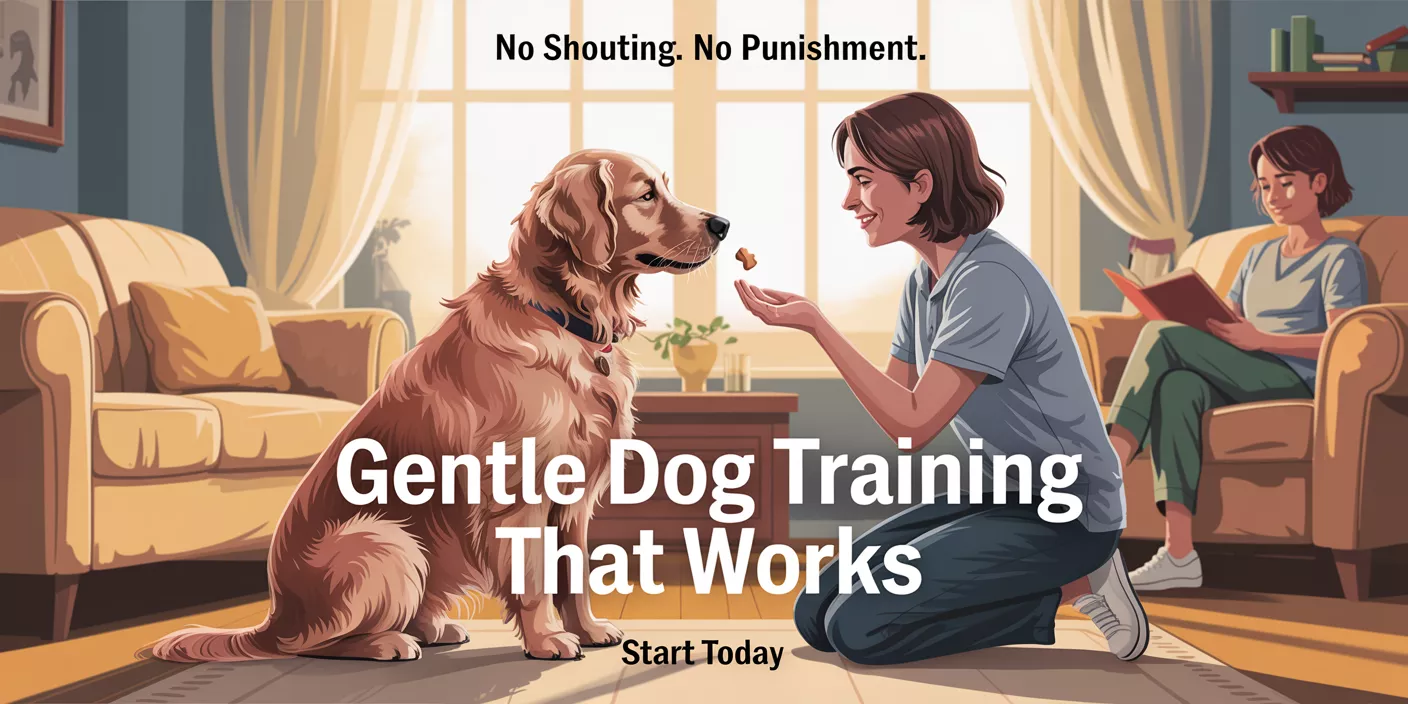
Positive reinforcement dog training is the gold standard for behavioural modification. Instead of punishing your dog for its vocalisations, you should focus on rewarding the behaviours you want to see. This approach builds trust and encourages your dog to look to you for guidance during stressful moments.
To begin, identify high-value treats that your dog finds irresistible. Use these rewards exclusively during training sessions to keep motivation high. Consistency is the key to success when you want to stop dog growling naturally.
Mastering Desensitisation and Counterconditioning
To learn how to stop dog growling at guests, you must master the techniques of desensitisation and counterconditioning. Desensitisation involves exposing your dog to the presence of a visitor at a distance where they remain under their threshold of anxiety. You want to keep them calm enough to listen to your commands.

Counterconditioning works by changing the emotional response to the trigger. Every time a guest appears, your dog should receive a reward, effectively teaching them that visitors predict good things. Follow these steps to ensure progress:
- Keep the visitor at a distance where your dog does not react.
- Provide a steady stream of treats while the guest is visible.
- Stop the treats immediately once the guest leaves or is out of sight.
- Gradually decrease the distance over several training sessions.
Rewarding Calm Behaviour Around Visitors
Maintaining a calm dog around visitors requires patience and careful observation. You should reward your dog for any sign of relaxation, such as sitting, lying down, or looking at you instead of the guest. These small victories are the building blocks of long-term behavioural change.
“The goal is to change the dog’s underlying emotional state from ‘I am threatened’ to ‘I am safe and rewarded’ when guests arrive.”
Always keep your training sessions short and end on a positive note. If your dog becomes overwhelmed, increase the distance from the guest and try again later. With time and dedication, you will see a significant improvement in how your dog handles social interactions.
Common Mistakes to Avoid During Training
Your approach to behaviour modification can either build trust or create deeper anxiety in your canine companion. Many well-meaning owners inadvertently make behaviour problems worse by relying on outdated methods that ignore the principles of positive reinforcement dog training. Understanding these pitfalls is essential for your success.
Why Punishment Often Backfires
When you scold or physically correct your dog for growling, you are not teaching them to be comfortable with guests. Instead, you are suppressing the warning sign that tells you how they feel. If you punish the growl, your dog may learn to skip the warning and go straight to biting.
Punishment creates a negative association with the presence of visitors. This approach often increases the dog’s fear rather than resolving the underlying issue. By choosing positive reinforcement dog training, you encourage your pet to associate guests with rewards rather than fear or pain.
The Dangers of Forcing Interaction
It is tempting to force your dog to greet guests to show them there is nothing to fear. However, pushing a dog beyond their comfort zone is a major mistake that destroys the bond of trust between you and your pet. When a dog feels trapped, their instinct is to defend themselves.
Always allow your dog to choose when and how they interact with new people. Forcing them into a situation where they feel vulnerable often leads to heightened aggression. Consistent use of positive reinforcement dog training ensures that your dog feels safe and in control of their environment at all times.
Tailoring Your Approach for Different Dogs
Managing a fearful dog growling at strangers requires a personalised strategy based on their past experiences. Because every canine has a unique history, a one-size-fits-all training plan rarely yields the best results. You must observe your pet closely to determine which methods align with their specific temperament and comfort levels.
Helping Shy or Rescue Dogs Build Confidence
Rescue dogs often arrive with unknown histories that may include trauma or limited exposure to new people. When working with these animals, patience is your most valuable tool. You should focus on creating a predictable environment where the dog feels safe enough to observe guests from a distance without being forced to interact.
Start by using high-value treats to create positive associations whenever a visitor enters your home. If your dog shows signs of stress, allow them to retreat to a quiet, private space. This sense of control helps reduce the anxiety that often leads to defensive vocalisations.
Socialisation Tips for Puppies vs Adult Dogs
Effective dog socialisation training looks very different depending on the age of your pet. Puppies are in a critical developmental window where they are naturally more curious and adaptable to new sights and sounds. You should prioritise frequent, positive exposures to a wide variety of people during this phase to prevent future behavioural issues.
In contrast, adult dogs often require a more structured approach to re-learning how to interact with guests. You are essentially helping them unlearn negative habits through consistent, calm reinforcement. While puppies learn through exploration, adults benefit from clear boundaries and slow, controlled introductions.
| Feature | Puppy Socialization | Adult Dog Training |
|---|---|---|
| Primary Goal | Exposure and Exploration | Behavior Modification |
| Learning Style | Curiosity-driven | Routine-based |
| Pace | Fast and varied | Slow and steady |
| Focus Area | Building confidence | Reducing reactivity |
Regardless of age, consistent dog socialisation training remains the foundation of a well-behaved pet. By tailoring your techniques to your dog’s specific needs, you create a safer and more harmonious home for everyone involved.
Utilising Professional Resources for Behaviour Modification
Expert intervention is a powerful tool when you want to stop dog growling naturally and effectively. While many issues can be managed at home, some dog behaviour problems are deeply rooted in fear or trauma that require a specialised touch. Recognising when to seek help is a sign of a responsible owner, not a failure in your training efforts.
When to Contact a Professional Trainer
You should consider hiring a certified professional if your dog displays signs of lunging, snapping, or biting. These behaviours indicate that the situation has escalated beyond simple territorial guarding. A professional can assess the environment and identify triggers that you might be missing during daily interactions.
If you have been practising consistent training for several weeks without seeing any reduction in aggression, it is time to consult an expert. A trainer can provide a customised behaviour modification plan tailored to your dog’s specific personality. They ensure that your safety and the safety of your guests remain the top priority throughout the process.
Overview of Brain Training For Dogs by Adrienne Farricelli
For those seeking a structured, force-free approach, the Brain Training For Dogs program by certified trainer Adrienne Farricelli is an excellent resource. This program focuses on mental stimulation to help your pet overcome anxiety and reactivity. By engaging your dog’s mind, you can reduce the frustration that often leads to growling.
The curriculum emphasises positive reinforcement, which helps build a stronger bond between you and your canine companion. It provides clear, step-by-step instructions that make complex training concepts easy to implement at home. Utilising this method can be a game-changer for owners who want to address the root cause of unwanted behaviours.
| Training Aspect | DIY Methods | Professional Guidance |
|---|---|---|
| Safety Level | Moderate | High |
| Customization | Limited | Extensive |
| Cost Efficiency | High | Low |
| Success Rate | Variable | Consistent |
Maintaining Consistency in Your Training Routine
Consistency serves as the bedrock for any effective behaviour modification plan. When you provide a steady, predictable environment, your pet feels significantly more secure. This stability is essential when you want to help a dog growls at visitors feel more at ease in your home.
By keeping your training sessions regular, you reinforce positive habits that eventually replace reactive behaviours. Predictability reduces anxiety, which is often the root cause of defensive growling.
Setting Realistic Expectations for Progress
It is vital to understand that behavioural change is a marathon, not a sprint. You should not expect your pet to stop reacting to guests overnight. Instead, focus on celebrating small, incremental victories during your daily practice.
- Aim for shorter, high-quality training sessions rather than long, exhausting ones.
- Focus on maintaining a calm dog around visitors by rewarding even the smallest moments of silence.
- Accept that some days will be better than others, and that is perfectly normal.
Tracking Improvements and Adjusting Techniques
Keeping a simple log of your training sessions can provide valuable insights into your progress. By documenting how your pet reacts to different guests, you can identify specific patterns or triggers that need more attention.
If you notice that your current methods are not yielding results, do not be afraid to pivot. Flexibility is key to success when you are working with a dog growls at visitors. You might need to increase the distance between your pet and the guest or change the type of rewards you offer to keep your pet motivated.
Ultimately, your commitment to a structured routine will pay off. By staying patient and observant, you create the best possible environment for your pet to learn how to remain calm dog around visitors in any situation.
Safety First: Protecting Your Guests and Your Pet
When you deal with dog behaviour problems, your primary goal must always be the physical safety of your guests and your pet. Proactive management is not a sign of failure; it is a responsible way to prevent accidents before they happen. By controlling the environment, you reduce the stress that often triggers unwanted reactions.
Knowing When to Use Muzzles or Barriers
If your pet has a history of being dog aggressive toward guests, you should not hesitate to use physical tools. A well-fitted basket muzzle allows your dog to pant and drink while ensuring that visitors remain safe from potential nips. Always introduce the muzzle slowly using positive reinforcement so your dog views it as a source of treats rather than a punishment.
Physical barriers like baby gates or exercise pens are also essential for managing territorial dog behaviour. These tools allow your dog to see and hear visitors without having direct access to them. This distance is crucial for keeping children and visitors safe while you work on long-term training goals.
Creating a Safe Haven for Your Dog
Every dog needs a quiet, secure space where they can retreat when they feel overwhelmed. This haven should be a room or a crate located away from the front door and high-traffic areas. When your dog has a place to escape, they are less likely to resort to defensive aggression.
Make this space inviting by adding comfortable bedding, water, and long-lasting chew toys. Consistency is key; teach your dog that this area is their personal sanctuary. When guests arrive, encourage your dog to go to their haven with a calm command and a reward. This simple strategy helps manage territorial dog behaviour and prevents your pet from feeling the need to guard the entire home.
Remember that protecting your guests is just as important as the well-being of your dog. By using these management techniques, you minimise the risk of incidents and create a more relaxed environment for everyone involved. Addressing dog behaviour problems requires patience, but your commitment to safety will pay off in the long run.
🐶 Stop Your Dog From Growling at Guests — The RIGHT Way

Don’t just “control” the behaviour…
Fix the root cause and turn your dog into a calm, obedient companion.
👉 Discover the proven system used by a certified professional dog trainer to transform behaviour fast.
✅ What You’ll Get Inside:
- 🧠 Unlock Your Dog’s Hidden Intelligence to naturally stop bad behaviour
- 🐕 Step-by-Step Training Games & Exercises (easy to follow at home)
- ❤️ Force-Free, Gentle Methods (no shouting, no punishment)
- 🎯 Fix Root Causes like fear, anxiety & aggression — not just symptoms
- 📚 Complete Behaviour Library for barking, growling, jumping & more
⚡ Imagine This…
Your dog stays calm, listens to you, and welcomes guests without stress or aggression.
👉 Click Here to Train Your Dog Smarter (Not Harder)
(Risk-free — 60-day money-back guarantee)
Conclusion
Transforming your dog’s reaction to visitors requires a steady commitment to positive reinforcement. You hold the power to reshape these interactions by focusing on patience and consistent training habits.
Every small step toward calm behaviour represents a victory in your journey toward a peaceful home. Your dedication creates a foundation of trust that helps your pet feel secure when new people enter your space.
Take time to observe your dog’s progress as you apply these techniques. You will notice deeper bonds forming as your pet learns to navigate social situations with confidence rather than fear.
Reach out to professional resources like Brain Training For Dogs by Adrienne Farricelli if you need extra guidance. Expert support provides clarity when you face complex behavioural challenges.
Stay focused on the long-term goal of a relaxed household. Your persistent efforts ensure a safer and happier life for your canine companion and your guests alike.
FAQ
Why does my dog growl at guests as soon as they walk through the door?
When your dog growls at guests, they are typically communicating a perceived threat or a lack of comfort. This reaction is often rooted in territorial dog behaviour or fear rather than malice. It is a polite, early-stage boundary intended to create space. Understanding that a fearful dog growling at strangers is seeking safety is the first step in addressing the behaviour through proper dog socialisation training.
How can I tell the difference between a playful growl and a warning sign?
Learning to read your dog’s body language is essential. A playful growl is usually accompanied by a loose, wiggly body and a “play bow” (front elbows on the ground). Conversely, if your dog barks and growls at visitors with a stiff posture, a fixed stare, or a tucked tail, these are subtle physical cues that they are feeling overwhelmed. Recognising these signs early helps you intervene before your dog feels the need to escalate.
What is the first thing I should do if my dog is aggressive toward guests?
Your immediate priority is safety and management. If your dog growls when people come over, use a leash, crate, or a separate room to prevent them from feeling cornered. Managing the environment ensures that neither your guest nor your pet is put in a high-stress situation. Establishing these safety protocols protects visitors and prevents your dog from practising the negative behaviour.
How can I introduce my dog to new people without causing a reaction?
You should always manage introductions in a neutral space where your dog does not feel the need to defend their “territory.” By controlling the pace of the interaction and allowing your dog to approach at their own speed, you significantly reduce the likelihood of a negative reaction. This method is a key component of how to stop dog growling at guests effectively.
What training techniques are most effective to stop dog growling naturally?
The most successful approach involves positive reinforcement dog training, specifically desensitisation and counterconditioning. This involves rewarding your dog for remaining calm when they see a guest from a distance. By consistently rewarding this calm dog around visitors, you change their emotional response from fear to a positive association, helping to resolve dog behavior problems long-term.
Is it okay to scold my dog for growling at visitors?
No, you should never punish a growl. Scolding or using physical correction often backfires because it suppresses the warning sign without addressing the underlying fear. If you punish the growl, the dog may learn to bite without any warning next time. To keep everyone safe, you must avoid forced interactions and focus on building your dog’s trust.
How do I help a rescue dog that is a fearful dog growling at strangers?
Rescue dogs often require a tailored approach because of their unique histories. You must focus on building their confidence slowly. Unlike the fast-paced dog socialisation training used for puppies, adult rescue dogs need a much more controlled environment. Provide them with a dedicated haven where they can retreat when they feel overwhelmed by visitors.
When should I consider professional help for my dog growling at visitors?
If you feel unsafe or if your dog’s reactivity is not improving, it is time to contact a certified professional trainer. For a structured, force-free home solution, many owners utilise the Brain Training For Dogs program by Adrienne Farricelli. This resource uses mental stimulation to address the root causes of aggression and improve overall obedience through positive methods.
How long does it take to see progress when my dog growls at guests?
Consistency is the foundation of any successful behaviour modification plan. While some dogs show improvement quickly, others may take months of steady work. It is vital to set realistic expectations and track your dog’s progress. By maintaining a steady routine and staying patient, you help your dog feel more secure and predictable during guest visits.
Should I use a muzzle if I am worried about my dog being aggressive toward visitors?
Using a basket muzzle is a responsible safety measure when dealing with high-risk situations. It allows you to work on dog growling at guests, what to do without the immediate fear of a bite. Combine muzzle use with physical barriers like baby gates to ensure you are prioritising the safety of both your guests and your pet at all times.