Did you know that Chow Chows are among the top breeds that can be aloof and wary of strangers if not properly socialised? This breed’s natural reserve and territorial instincts make early socialisation crucial for developing a well-adjusted and confident adult dog.
Without adequate socialisation, Chow Chow puppies can grow into anxious or aggressive dogs, making them challenging to be around. Proper socialisation exposes your puppy to various environments, people, and other animals. This helps them become calm and confident in new situations.
By understanding the importance of socialisation and implementing it effectively, you can significantly reduce the risk of behavioural issues in your Chow Chow. In this article, we will explore the critical socialisation window and provide practical tips on socialising your Chow Chow puppy.
Key Takeaways
- Understand the importance of socialising your Chow Chow puppy.
- Learn about the critical socialisation window for Chow Chows.
- Discover practical tips for effective socialisation.
- Reduce the risk of anxiety and aggression in your Chow Chow.
- Develop a well-adjusted and confident adult dog.
Understanding Chow Chow Temperament
It’s key to understand a Chow Chow’s temperament if you own one. They are known for being reserved and protective. This makes socialising them very important for their growth.
Natural Personality Traits of Chow Chows
Chow Chows are known for their loyalty and protective nature. They can be shy around new people. This is something to handle carefully from a young age.
They naturally tend to be cautious of new faces and places.
- Reserved with strangers
- Loyal to their family
- Protective of their territory
Why Chow Chows Need Special Socialisation Attention
Chow Chows need special socialisation attention to avoid aggression and fear. Good socialisation helps them feel confident and calm in new settings.
Using the right chow chow behavior modification techniques is vital. It helps tackle any behavioural problems early.
Common Behavioural Challenges in Unsocialized Chow Chows
Unsocialized Chow Chows might show aggressive tendencies or become too scared. Some common problems include:
- Aggression towards strangers
- Fear-based behaviours
- Difficulty in new environments
Good chow chow training and socialisation can help. It ensures they grow up well-adjusted.
The Critical Socialisation Window for Chow Chow Puppies
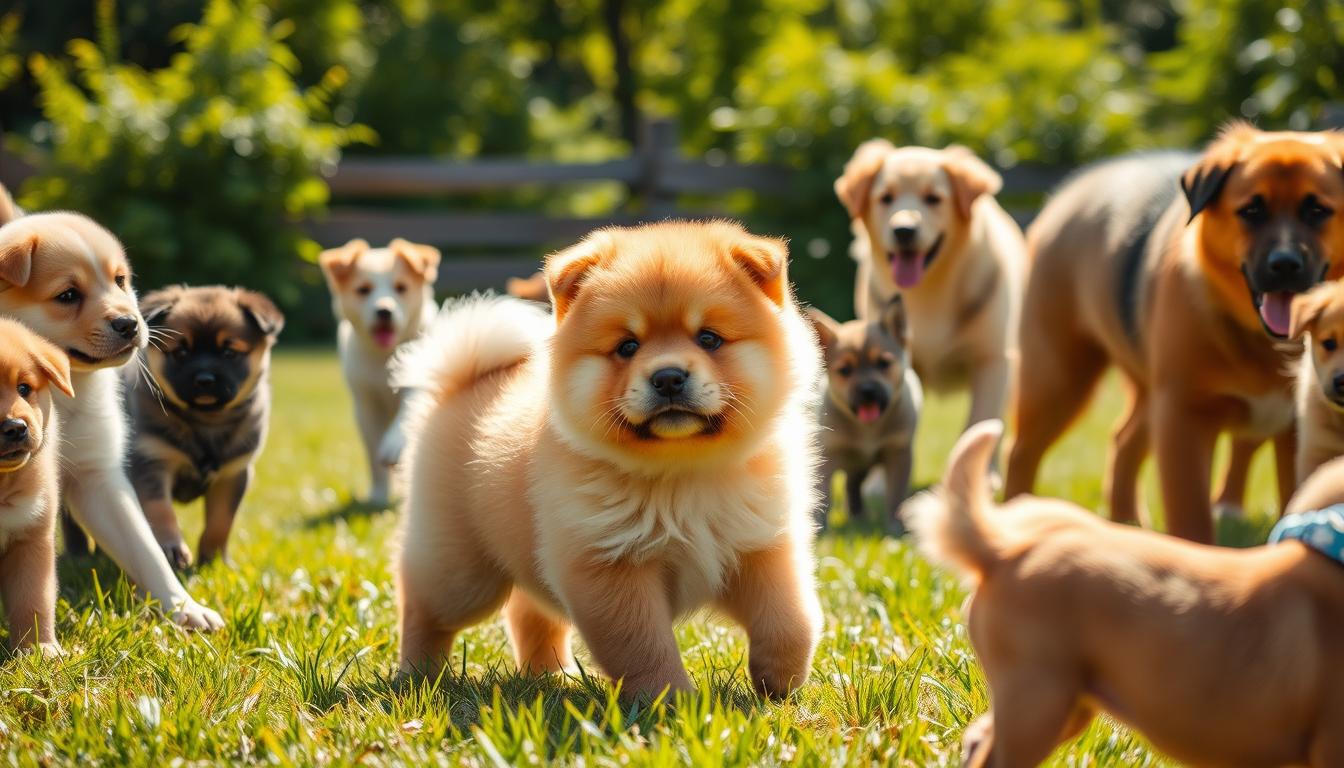
The early weeks of a Chow Chow puppy’s life are key for socialisation. This sets the stage for a well-adjusted adult dog. Socialisation during this time helps prevent issues like aggression and anxiety.
When to Start Socialising Your Chow Chow
The best time to start socialising your Chow Chow puppy is between 8 and 16 weeks. During this critical socialisation window, your puppy is most open to new things. It’s important to introduce them to different environments, people, and animals. This helps them feel confident and calm in new situations.
Developmental Stages and Socialisation Priorities
Chow Chow puppies go through several developmental stages. Each stage has its own socialisation needs. At first, they need to bond with their littermates and mother, learning important canine skills. As they grow, they need to be exposed to different sounds, textures, and social interactions. Prioritising these experiences is crucial for a well-rounded puppy.
What Happens If You Miss the Socialisation Window
Missing the critical socialisation window can cause behavioural issues. Chow Chows that aren’t socialised may become fearful or aggressive towards strangers or other dogs. This shows why puppy socialisation techniques and Chow Chow socialisation tips are so important during this time. If you miss it, starting socialisation later may take more patience and professional help.
Understanding and using the critical socialisation window is vital for raising a sociable Chow Chow. By using effective puppy socialisation techniques and following chow chow socialisation tips, you can greatly improve your puppy’s social skills and temperament.
Creating a Socialisation Plan for Your Chow Chow
To help your Chow Chow puppy grow into a well-adjusted adult, a socialisation plan is key. Socialising your puppy means more than just introducing them to new things. It’s about teaching them to be confident in the world.
Setting Realistic Goals and Timelines
When making a socialisation plan, setting realistic goals and timelines is important. Socialisation is a long-term effort that needs patience and consistency. Start by setting short-term (first few weeks) and long-term (first few months) goals.
Tracking Progress and Adjusting Your Approach
It’s crucial to track your puppy’s progress. Use a journal or log to note their reactions to different socialisation activities. This helps you identify areas that need more attention and make necessary changes.
| Socialization Activity | Puppy’s Reaction | Notes/Adjustments |
|---|---|---|
| Meeting new people | Fearful at first, then playful | Gradually increase interactions |
| Exposure to loud noises | Initially startled, then calm | Continue exposure to desensitize |
Balancing Socialisation with Rest and Downtime
It’s also important to balance socialisation with rest and downtime. Chow Chow puppies need time to think about their experiences and rest. Make sure they have a quiet, comfy spot to relax when needed.
By following these steps and keeping a balanced approach, you can create a great socialisation plan for your Chow Chow puppy. This will help them have a happy, well-adjusted life.
How to Socialize Chow Chow Puppy with People
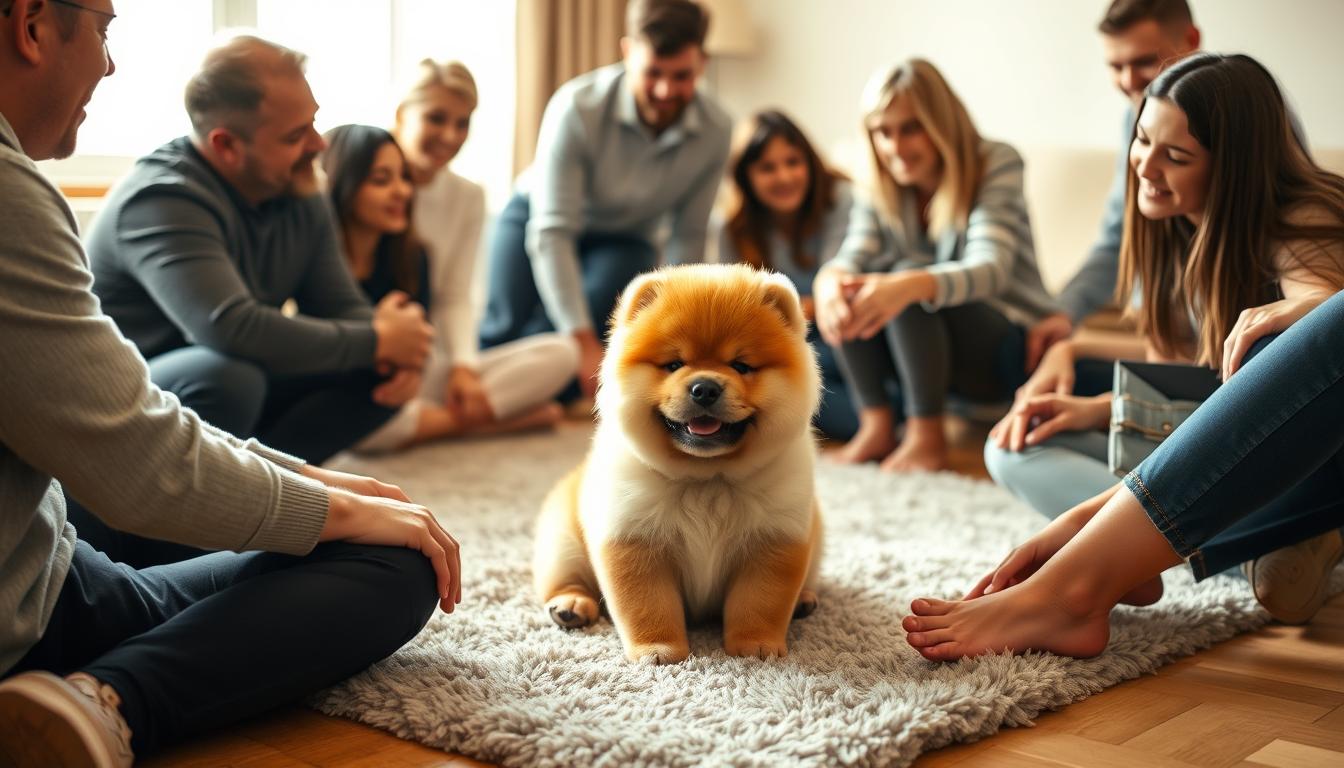
Introducing your Chow Chow puppy to different people is crucial for their growth. It helps them feel confident and calm in new places. This reduces anxiety and aggression.
Introducing Your Puppy to Family Members
Start by introducing your puppy to family members. Make sure all interactions are positive and gentle. Tell family to move calmly and avoid sudden movements.
Positive reinforcement with treats and praise helps your puppy feel secure.
- Start with quiet, low-stress environments.
- Allow the puppy to approach family members at their own pace.
- Encourage gentle petting and handling.
Meeting Strangers Safely
When your puppy is comfortable with family, it’s time to meet strangers. Start slowly to avoid overwhelming them. Controlled environments like quiet parks or training classes are best.
- Begin with visual introductions from a distance.
- Gradually increase interaction under controlled circumstances.
- Reward calm behaviour.
Handling and Touch Desensitisation Techniques
Handling and touch desensitisation are key to your Chow Chow’s comfort with people. They should be okay with being touched, handled, and groomed.
Hand Feeding Exercises
Hand feeding builds trust between your puppy and people. It makes them associate human touch with good experiences.
Grooming Tolerance Training
Grooming tolerance training introduces your puppy to grooming, such as brushing and nail trimming.
By following these steps and being consistent, your Chow Chow puppy will become well-socialised and confident. Remember, patience and positive reinforcement are essential for successful socialisation.
Socialising Your Chow Chow with Other Dogs
It’s very important to socialise your Chow Chow puppy with other dogs. This helps them feel confident and calm around other dogs. It also lowers the chance of them feeling anxious or aggressive.
Controlled First Meetings with Vaccinated Dogs
When you first introduce your puppy to other dogs, do it carefully. Make sure the other dogs are healthy and well-behaved. Start by letting them see and sniff each other from a distance.
Then, you can let them play together under your watchful eye. This helps them get used to each other without any problems.
Reading Your Chow Chow’s Body Language
It’s important to know how your Chow Chow is feeling. Look at their tail, ears, and how they stand. If they seem tense or upset, it’s time to step in.
Managing Dog Park Interactions
Dog parks can be great for socialising, but you need to watch out. Make sure your puppy is up to date on their shots and knows basic commands. Keep an eye on how they’re doing and be ready to help if needed.
Addressing Early Signs of Dog Aggression
If you see your puppy growling or snapping, it’s a warning sign. These are early signs of aggression. If you notice this, talk to a dog trainer or behaviourist right away.
They can teach you how to change your puppy’s behaviour. This can help prevent them from becoming aggressive.
| Signs of Stress | Signs of Comfort |
|---|---|
| Growling, snapping, or avoidance | Wagging tail, relaxed posture |
| Tucked tail, lowered head | Playful barking, initiating play |
| Stiffened body, direct stare | Relaxed ears, soft eyes |
By following these tips, you can help your Chow Chow become a friendly and well-adjusted dog. Socialising them takes patience, consistency, and positive feedback.
Environmental Socialisation Techniques
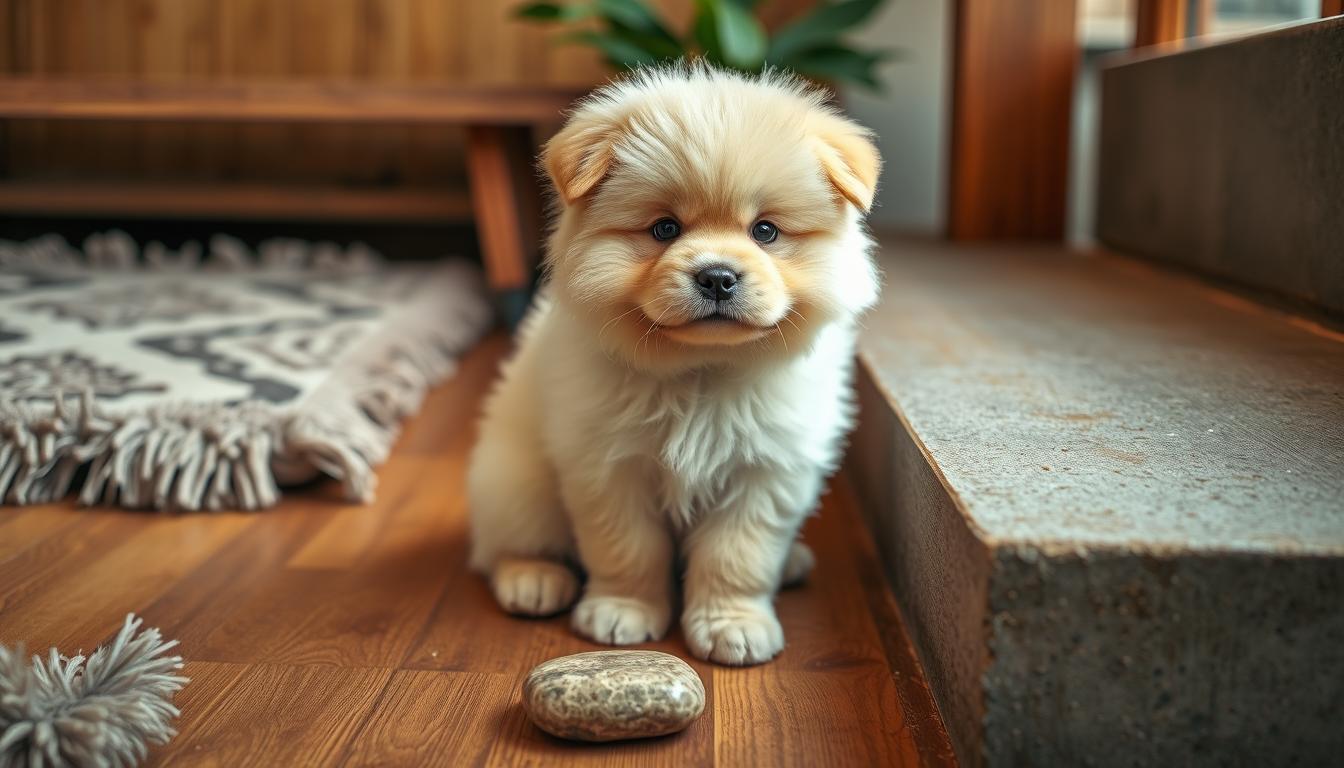
Teaching your Chow Chow to adapt to different environments is key. It’s about exposing them to various surfaces, sounds, and places. This makes them calm and confident in new situations, reducing anxiety and aggression.
Exposing Your Chow Chow to Different Surfaces and Textures
Introduce your puppy to different surfaces and textures. This helps them feel comfortable walking on different grounds. Start with:
- Smooth surfaces like hardwood or tile floors
- Rough surfaces like carpet or grass
- Uneven surfaces like cobblestone or trails
This helps your puppy balance and feel confident. Use positive reinforcement techniques like treats and praise to encourage them.
Introducing Various Sounds and Noises
Chow Chows are sensitive to noise. It’s important to introduce them to different sounds. Start with:
- Low-volume sounds like gentle music or nature sounds
- Moderate-volume sounds like household appliances or traffic noise
- Loud sounds like fireworks or thunderstorms (in a controlled environment)
Gradually increase the volume and variety of sounds. This helps your puppy become more confident. Use desensitisation and counter-conditioning techniques to make loud noises positive experiences.
Car Rides and Travel Acclimation
Start with short drives around the block to make car travel comfortable. Gradually increase the trip duration and distance. You can also:
- Use a comfortable, secure crate or harness
- Provide treats and praise during car rides
- Expose your puppy to different types of vehicles, such as buses or trains
Urban Environment Training
Urban environments can be tough for Chow Chows. They have busy streets, loud noises, and crowded spaces. To help your puppy:
- Start with short walks in quiet areas
- Gradually introduce your puppy to busier streets and more crowded areas
- Use positive reinforcement techniques to encourage good behaviour
By using these techniques, your Chow Chow puppy will grow into a confident and well-adjusted adult dog.
Common Socialisation Mistakes to Avoid with Chow Chows
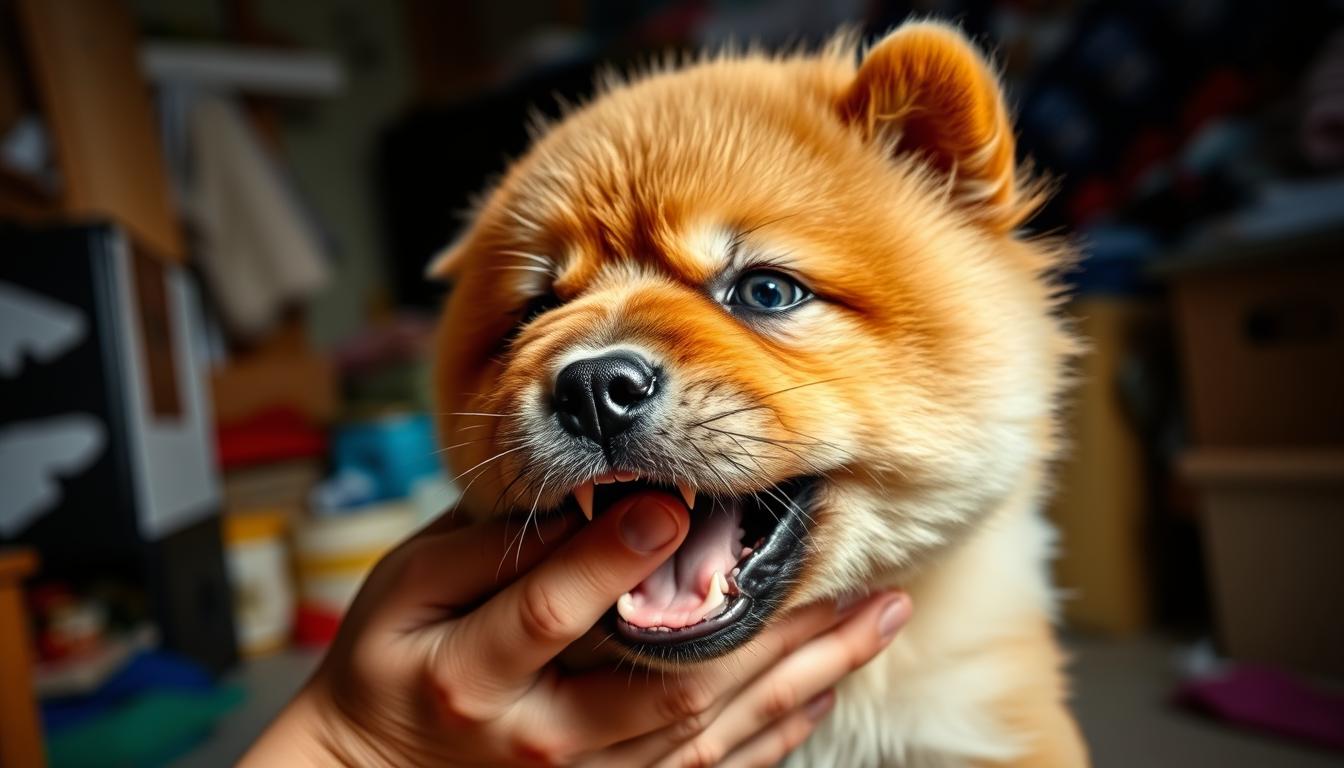
When socialising your Chow Chow, it’s key to avoid common mistakes. Socialisation is vital for a puppy’s development. Mistakes during this time can affect their behaviour and mood.
Forcing Interactions When Your Puppy Is Fearful
Forcing a fearful puppy into social situations can make their anxiety worse. Let them approach new people and places at their own speed. Gradual exposure and positive feedback help build their confidence.
Inconsistent Training Approaches
Inconsistent training confuses your puppy. It makes it hard for them to know what’s expected. Make sure everyone uses the same commands and rewards for a unified training environment.
Overprotecting Your Chow Chow
It’s natural to want to protect your puppy. But overprotecting can stop them from learning social skills. Introduce them to different situations slowly, so they learn how to react.
Neglecting Ongoing Socialisation in Adulthood
Socialisation doesn’t end when your puppy grows up. Keep exposing your Chow Chow to new things to keep their social skills sharp. This prevents them from losing what they’ve learned.
| Common Mistake | Consequence | Corrective Action |
|---|---|---|
| Forcing interactions | Increased anxiety | Gradual exposure |
| Inconsistent training | Confusion | Unified training approach |
| Overprotecting | Lack of social skills | Gradual exposure to new situations |
| Neglecting ongoing socialization | Regression | Continued socialization |
Knowing these common mistakes helps you ensure your Chow Chow grows into a well-adjusted adult. This way, they’ll be well-behaved and happy.
Dealing with Chow Chow Anxiety and Aggression
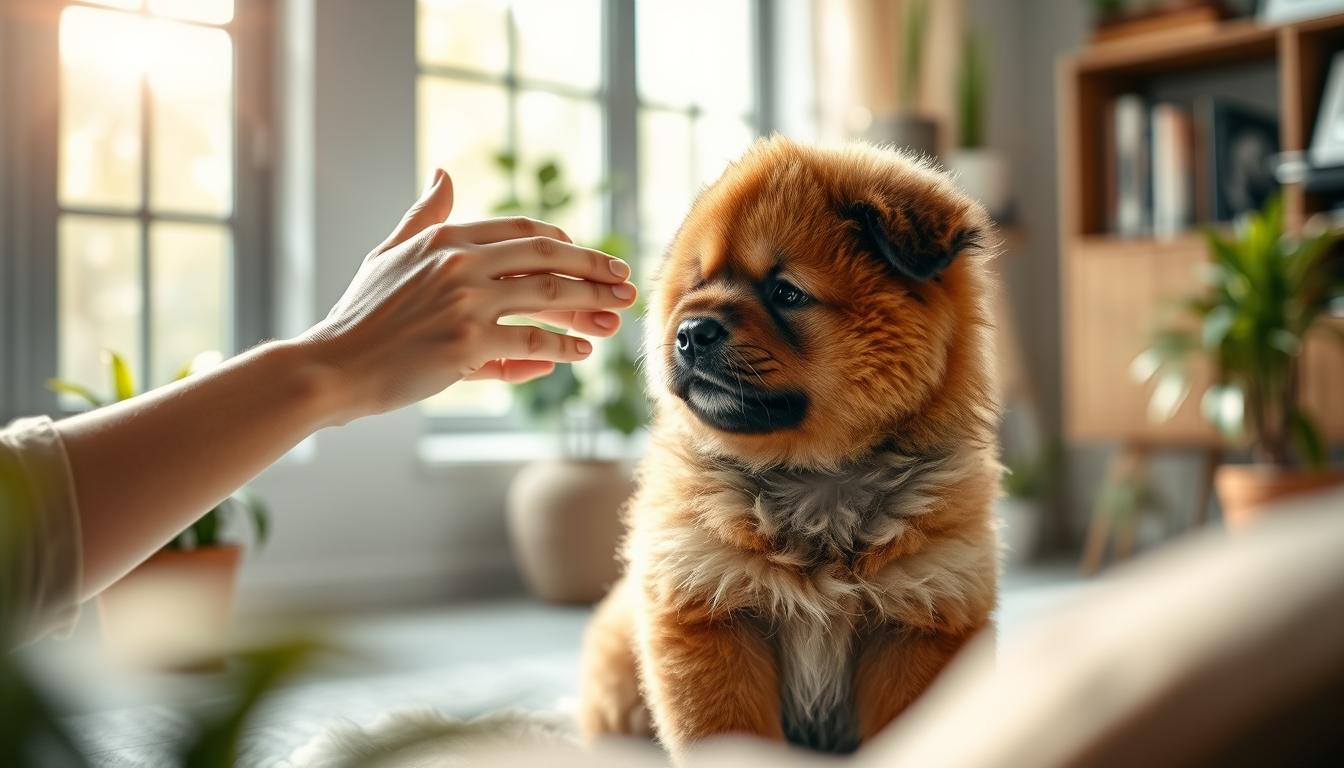
When you socialise your Chow Chow puppy, it’s important to tackle anxiety and aggression early. Chow Chows are loyal and protective, but they can become aggressive without proper socialisation. Knowing how to spot and manage these issues is crucial for a well-adjusted dog.
Recognising Signs of Anxiety in Your Puppy
Anxiety in Chow Chows shows up in different ways, like barking too much, pacing, or avoiding things. Spotting these signs early helps you act fast. This way, your puppy will feel safer and less anxious.
Desensitisation and Counter-Conditioning Methods
Desensitisation and counter-conditioning are great for tackling anxiety in Chow Chows. Desensitisation means slowly introducing your puppy to what scares them. Counter-conditioning makes the scary thing positive by pairing it with rewards. For example, if your Chow Chow is scared of strangers, start by rewarding them for staying calm when they see people from far away.
Early Warning Signs of Potential Aggression
Aggression in Chow Chows is serious and needs quick action. Look out for growling, snapping, or showing teeth. Catching these signs early is key. Knowing why your dog is aggressive, like fear or protecting territory, helps you find ways to manage it.
When to Seek Professional Help
If your Chow Chow shows signs of anxiety or aggression that don’t go away, get professional help. A dog trainer or behaviourist can give you specific advice for your dog. They’ll help you create a plan to make your Chow Chow calm and confident as an adult.
Unlock Your Chow Chow’s Hidden Intelligence – Starting Today!

Struggling with stubbornness, reactivity, or poor social skills in your Chow Chow puppy? What if the solution isn’t more force… but smarter training?
“Brain Training for Dogs” by CPDT-KA Certified Trainer Adrienne Farricelli reveals a science-based system that develops your dog’s natural intelligence to eliminate bad behaviour fast.
🚀 Why This Program Is Different:
- 🧠 Develops your dog’s “hidden intelligence” to fix behaviour at the root
- 🐾 21+ brain games that boost obedience & impulse control
- 🎯 Force-free, science-based training methods
- 📚 Covers barking, chewing, jumping, reactivity & more
- 🎥 Step-by-step videos + troubleshooting guides
- 💬 Private member forum + expert support
- 🔒 60-Day Money-Back Guarantee – 100% Risk-Free
Imagine your Chow Chow:
✔ Listening instantly
✔ Calm around people & dogs
✔ Confident, focused & well-behaved
👉 Click here now to access Brain Training for Dogs and start transforming your puppy today!
Your well-socialised, obedient Chow Chow is just one smart decision away. 🐶✨
Conclusion: Raising a Well-Socialised Chow Chow Companion
Raising a well-socialised Chow Chow is rewarding. It takes dedication, patience, and positive reinforcement. This guide helps your Chow Chow puppy grow into a confident adult dog.
It’s crucial to keep socialising your puppy. Introduce them to different places, people, and dogs. But also make sure they get enough rest. This way, your Chow Chow will be calm and composed in any situation.
Keep up the socialisation and training with consistency and positive reinforcement. With time and effort, you’ll have a well-socialised Chow Chow. They will bring joy and companionship to your life, making dog ownership fulfilling.
FAQ
Why is socialising my Chow Chow puppy important?
Socialising your Chow Chow puppy is key to their growth. It helps them become confident and well-adjusted. This also lowers the chance of anxiety and aggression.
What are the natural personality traits of Chow Chows?
Chow Chows are loyal and protective. But they can be shy with strangers. So, it’s important to socialise them well to avoid fear or aggression.
When should I start socialising my Chow Chow puppy?
Start socialising your puppy early, during their growth period. This is crucial for their development, ideally in the first few months.
How do I create a socialisation plan for my Chow Chow?
Make a plan with clear goals and track your progress. Make sure to balance socialising with rest. This ensures your puppy gets the socialisation they need.
How can I socialise my Chow Chow puppy with people?
Introduce your puppy to family and strangers safely. Use touch and handling to help them feel calm and confident around people.
How do I socialise my Chow Chow with other dogs?
Start with controlled meetings with other dogs. Learn to read their body language. Manage dog park visits to teach good social skills and reduce aggression.
What are some environmental socialisation techniques for Chow Chows?
Expose your puppy to different surfaces and sounds. Get them used to car rides and city life. This helps them feel confident in new places.
What are common socialisation mistakes to avoid with Chow Chows?
Don’t force interactions or be inconsistent. Avoid overprotecting and neglecting socialisation. This ensures your puppy is well-socialised and avoids behavioural problems.
How can I deal with Chow Chow anxiety and aggression?
Watch for signs of anxiety and use desensitisation and counter-conditioning. If needed, seek professional help to manage anxiety and aggression.
How can I ensure ongoing socialisation for my Chow Chow?
Keep socialising your Chow Chow throughout their life. Use positive reinforcement to keep them confident and calm in different situations.
What are the best practices for Chow Chow socialisation?
Create a socialisation plan and socialise with people and other dogs. Use environmental techniques and avoid common mistakes for the best results.
How can I introduce my Chow Chow to new environments?
Start with small steps in new places. Introduce them to new surfaces, sounds, and experiences. This helps them become confident and calm.