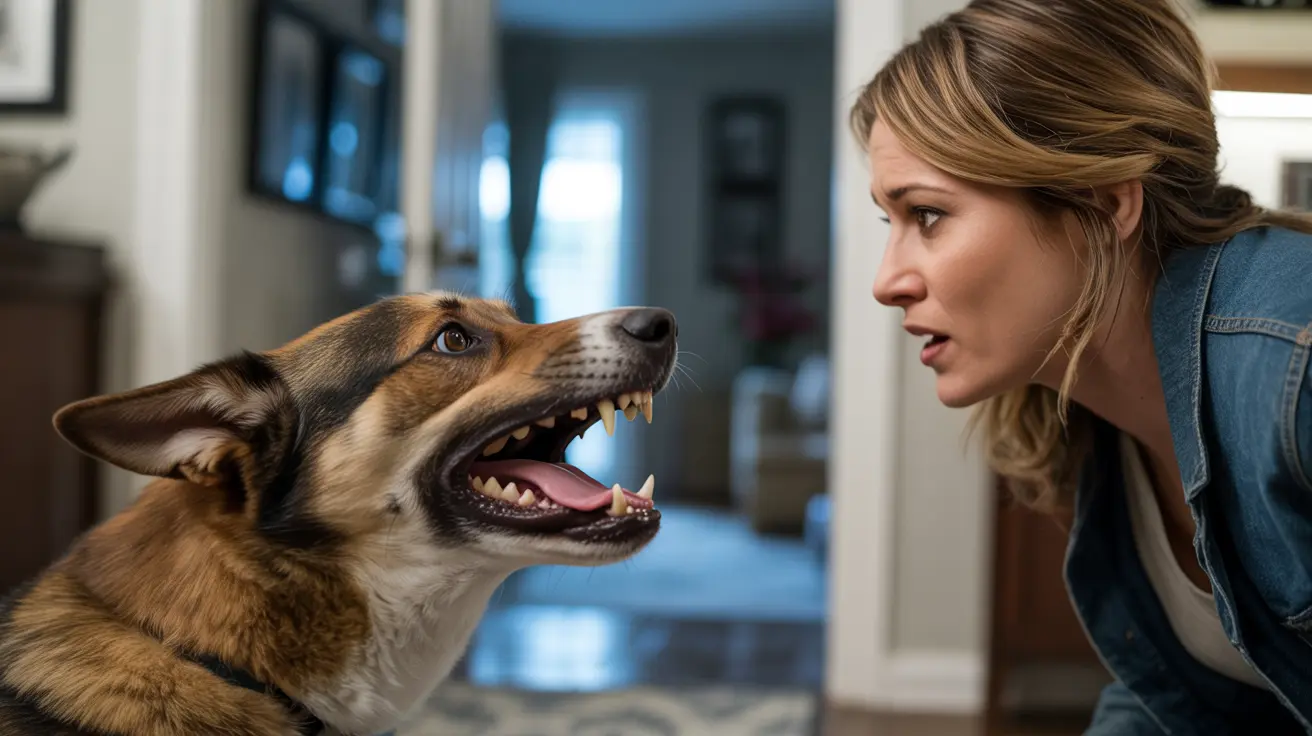
Ever wondered why your loyal friend suddenly changes? It’s scary when a calm pet starts growling or snapping without reason.
Figuring out why my dog suddenly aggressive means looking deeper. These sudden changes might be a sign of pain or emotional trouble.
Finding the cause is key to keeping everyone safe. It could be illness or fear. Getting help from a pro is the best way to fix things. Quick action helps bring back peace and makes your pet feel safe again.
Key Takeaways
- Sudden changes often hide medical issues or pain.
- Feeling scared or anxious can lead to defensive behaviour.
- Seeing a vet first is crucial to check for health problems.
- Trained professionals can help with behaviour once health is okay.
- Keeping everyone safe is important to stop things from getting worse.
Understanding Why My Dog Is Suddenly Aggressive
If your dog suddenly became aggressive, you’re likely looking for quick answers. It’s normal to feel shocked when a once-gentle pet shows hostility. Keeping calm is key to everyone’s safety.
Distinguishing Between Medical and Behavioural Issues
Many people think aggression comes from bad training. But dog behaviour problems can have physical causes. A sudden behaviour change might mean your dog is sick or hurt.
Medical problems can make a dog feel scared, leading to aggression. On the other hand, behavioural issues might come from fear, anxiety, or changes in their environment. Knowing the difference is crucial for fixing the problem.
| Indicator Type | Common Medical Signs | Common Behavioral Signs |
|---|---|---|
| Onset | Sudden and unexplained | Gradual or situational |
| Physical State | Lethargy or pain response | Alert and reactive |
| Context | Occurs during touch | Occurs during specific events |
| Resolution | Requires veterinary care | Requires behavior modification |
The Importance of Professional Assessment
Don’t try to figure out what’s wrong with your pet yourself. Only a vet can check for physical problems that might be causing dog behaviour problems. They can do tests to see if your dog is in pain or has a hidden illness.
After ruling out medical issues, a certified animal behaviourist can help with psychological problems. Getting expert advice helps avoid making things worse with the wrong training. Getting professional help is the best way to help your dog and yourself.
Recognising Warning Signs and Body Language
Dogs often show signs before they bite. It’s important to know these dog aggression warning signs to keep everyone safe. By watching your dog closely, you can stop problems before they start.

Subtle Signals Before the Snap
Dogs usually warn us before they bite. They might lick their lips a lot, yawn when they’re not tired, or show the whites of their eyes. This is called “whale eye.”
“The dog’s body is a map of its emotional state; if you learn to read the map, you can avoid the storm.”
Interpreting Posture and Vocalisations
When a dog feels scared, their body changes. A stiff, still body means they’re very upset. Also, listen for low growls or sharp barks. These are clear warnings.
| Signal Type | Behavior | Meaning |
|---|---|---|
| Visual | Hard Stare | High tension |
| Physical | Stiff Tail | Alert/Ready |
| Auditory | Low Growl | Warning |
Identifying Fear-Based Body Language
Fear makes dogs try to look smaller. They might tuck their tail, flatten their ears, or cower. These dog aggression warning signs mean they feel scared and might bite to protect themselves.
Recognising Offensive vs. Defensive Aggression
It’s key to know if a dog is being aggressive or scared. Aggressive dogs lean forward, show their hackles, and stare. Scared dogs back away, show their teeth while retreating, and avoid eye contact.
Knowing these differences helps you act right. Always keep a safe distance and stay calm when you see these dog aggression warning signs.
Medical Causes: Pain, Illness, and Discomfort
It might surprise you to know that your dog’s sudden aggression could be a sign of pain. When dogs can’t tell us they’re hurting, they might act out to protect themselves. Spotting sudden dog aggression requires careful observation and quick vet visits.

How Hidden Pain Triggers Sudden Outbursts
Conditions like arthritis or bad dental health can make dogs very grumpy. Even a light touch on a sore spot can make them snap. This is a clear case of pain-causing dog aggression, where the dog is trying to avoid more pain.
“When a dog is in pain, their tolerance drops, making even gentle touches a risk for defensive behavior.”
Common Health Conditions Linked to Aggression
Systemic illnesses can also change a dog’s mood. Infections, metabolic problems, and stomach issues can make them feel scared and on edge. If your dog’s behaviour changes suddenly, a full vet check is essential.
Neurological Issues and Cognitive Dysfunction
As dogs get older, they might get Cognitive Dysfunction Syndrome (CDS), like human dementia. This can cause confusion, disorientation, and irritability. Neurological problems often lead to sudden aggression in dogs because the dog may not recognise their surroundings or family, leading to fear.
Hormonal Imbalances and Thyroid Problems
Hormonal changes, like hypothyroidism, can also affect behaviour. When a dog’s thyroid levels drop, they might feel tired, gain weight, and get anxious. This imbalance is another reason for pain-causing dog aggression, as the dog struggles to manage their mood and stress.
- Watch for sudden sensitivity to touch.
- Notice changes in appetite or energy.
- Get your vet to check for hormonal issues with blood tests.
Behavioural Triggers: Fear, Anxiety, and Environmental Stress
Many owners wonder why their dog is aggressive all of a sudden when faced with new stressors. Dogs love routine and stable places. When things change, they may become defensive, seemingly acting out of nowhere.

The Impact of Sudden Environmental Changes
Big changes, like moving or a new baby, can upset your dog’s world. These changes can push them past their stress threshold. Feeling insecure, they might become hostile even to small things.
Observe how your dog reacts to loud noises or changes in the household environment. Even small changes can make them always on edge. This stress can turn into reactive behaviour, worrying owners.
Fear-Based Aggression Toward Strangers and Family
A dog aggressive toward strangers might suddenly be scared or threatened. This fear is a survival instinct, not a sign of being “bad.” When scared, they might growl or snap to stay away.
This fear can also happen with family if the dog feels trapped or scared. If they haven’t been socialised well, they might see new people or sounds as threats. Giving them a safe place to go can help reduce these reactions.
Managing Separation Anxiety and Overstimulation
Too much activity without rest can overstimulate a dog. Dogs with anxiety can’t handle frustration well. This is true for dogs with separation anxiety, who might get destructive or aggressive when alone.
To help, create a calm, predictable space. Regular exercise and mental games can help them relax. If your dog gets upset, take them away to stop things from getting worse.
| Environmental Trigger | Potential Behavioral Sign | Recommended Action |
|---|---|---|
| Moving to a new home | Increased barking or hiding | Establish a consistent routine |
| New family member | Resource guarding or growling | Use positive reinforcement |
| Loud construction noise | Sudden lunging or snapping | Provide a quiet, safe space |
| Schedule disruption | Restlessness and anxiety | Maintain set feeding times |
Resource Guarding and Territorial Aggression
Sudden changes in behaviour often come from a deep need to protect important things or space. You might wonder why my dog is aggressive all of a sudden when you pass by their favourite spot or toy. These actions are not about showing dominance. They usually come from anxiety or insecurity about not having enough resources.
Why Dogs Guard Food, Toys, and Spaces
Resource guarding is an instinct that has changed in our homes. When a dog feels their food, favourite chew, or bed is threatened, they may act defensively. This is a way to warn others to stay away.
If a pet feels their resources are limited, they will get more protective. Seeing this as a fear-based response rather than a challenge helps you address the stress. Creating a safe, predictable space can help them feel more secure over time.
Identifying Territorial Triggers in the Home
Territorial dog aggression happens when a pet feels the need to defend their home or certain areas. This can show up as barking at the window, lunging at the door, or growling when someone approaches their crate. These behaviours are often about wanting to control their surroundings.
Watch closely when these behaviours happen. Do they only occur when guests arrive, or when family members move around the house? Knowing these patterns helps you manage the environment better and reduce stress.
Preventing Escalation in Multi-Pet Households
Living with multiple pets requires careful management to keep everyone safe and secure. If your dog suddenly becomes aggressive toward other dogs, it’s important to stop a fight before it starts. Here are a few ways to keep the peace:
- Separate feeding areas: Feed pets in different rooms to avoid food competition.
- Remove high-value items: Take away toys or bones that cause possessive behaviour when other pets are around.
- Create personal zones: Make sure each pet has a special place where they can go without being bothered.
- Supervised interactions: Always watch play sessions to catch early warning signs of aggression.
Immediate Safety Steps When Aggression Occurs
When your dog suddenly becomes aggressive toward you, act quickly to keep everyone safe. It’s normal to feel scared, but staying calm is key to avoiding a fight.

How to De-escalate a Dangerous Situation
First, avoid direct eye contact with your dog. This can be seen as a challenge. Move away slowly and calmly without turning your back or running.
If you’re in a small space, head towards the exit calmly. Don’t try to grab the dog’s collar or hold them back. This can make them bite in self-defence.
Protecting Yourself and Your Family Members
Keep people, like kids, away from the dog. Use things like a chair, a baby gate, or a closed door to block their path.
“The best way to handle an aggressive dog is to remove the stimulus and provide the animal with the space it needs to calm down.”
Once everyone is safe, let the dog calm down in a quiet spot. Don’t try to talk to them until they seem relaxed again.
Mistakes to Avoid During an Aggressive Episode
Don’t yell or try to physically stop the dog. This can make them even more stressed and aggressive.
Don’t try to hug or comfort the dog when they’re upset. Your touch might make things worse, as pain-causing dog aggression is common.
Why Punishment Often Worsens Aggression
Punishing a dog when they’re scared or in pain is not the right thing to do. It doesn’t teach them to be calm. Instead, it makes them see you as a threat.
If the dog is aggressive because of pain, punishment will only make them feel more trapped. Always put safety first and get help from a professional to find out why the dog is acting this way.
Training and Management Strategies
Changing your dog’s behaviour starts with proactive management and training. Complex dog behaviour problems need a calm, structured environment. This helps your pet feel secure again.
Implementing Positive Reinforcement Training
The best way to change your dog’s reactions is through positive reinforcement dog training. This method rewards good behaviour, not bad. It builds trust between you and your pet.
- Use high-value treats to reward calm behaviour during walks.
- Clicker training can help mark the exact moment your dog makes a good choice.
- Avoid physical corrections, as these often increase fear and anxiety.
Utilising Brain Training for Dogs by Adrienne Farricelli
Mental stimulation is key when dealing with aggression. The brain training for dogs program by Adrienne Farricelli is a structured way to improve focus and impulse control. It uses engaging games.
Mental exhaustion is just as important as physical exercise. Challenging your dog’s mind reduces boredom and frustration. This can prevent unwanted outbursts.
Establishing Calming Routines for Anxious Dogs
Predictability is a powerful tool for anxious dogs. A consistent daily schedule provides a sense of safety. This can lower your dog’s stress levels.
Keep feeding times, walks, and play sessions at the same time each day. Consistency helps your dog understand what to expect. This reduces reactive behaviour.
Effective Socialisation Tips for Behavioural Improvement
If your pet is suddenly aggressive toward other dogs, focus on controlled, low-stress interactions. Avoid busy dog parks or crowded environments.
For aggression toward strangers, use distance-based training. Let your dog observe people from a safe distance. Reward them for staying calm.
“Training is not just about teaching commands; it is about building a language of trust and mutual respect between you and your dog.”
— Professional Canine Behaviourist
If your dog’s aggression doesn’t improve or if you feel unsafe, it’s time to hire a professional trainer. A certified behaviourist can create a customised plan. This ensures your household’s safety and the success of your training efforts.
Tailoring Approaches for Puppies, Adults, and Seniors
Understanding the unique triggers for puppies, adults, and seniors is key. When your dog is aggressive toward the owner, first check their life stage. Each stage needs different tools and patience for success.
Developmental Considerations for Puppies
Puppies are in a critical learning phase. They test boundaries and explore with their mouths. Aggression often comes from overstimulation or a lack of bite training. Consistency is your best friend in teaching them to interact safely.
Use positive reinforcement to stop unwanted behaviours early. If your puppy guards resources, play trading games to build trust. Early action prevents big problems later.
Addressing Established Habits in Adult Dogs
Adult dogs may show aggression due to past reinforcement. You might see territorial dog aggression when visitors come or when they feel invaded. It’s crucial to find out what triggers these reactions.
Structure and routine help adult dogs with behavioural issues. Use desensitisation to keep them calm in stressful situations. Professional guidance is recommended for deep-seated habits.
Special Care for Senior Dogs with Cognitive Decline
Senior dogs may change suddenly due to pain or cognitive issues. You might see fearful dog aggression in a once-gentle pet. This is because they can’t process their environment as well.
Always check with a vet to rule out health issues like arthritis or vision loss. Make your home more accessible and less confusing for your ageing pet. A quiet, safe space can help reduce anxiety and prevent outbursts.
| Life Stage | Primary Focus | Key Strategy |
|---|---|---|
| Puppy | Socialization | Positive Reinforcement |
| Adult | Boundary Setting | Desensitization |
| Senior | Medical Comfort | Environmental Modification |
🚨 Stop Your Dog’s Aggression Before It Gets Worse
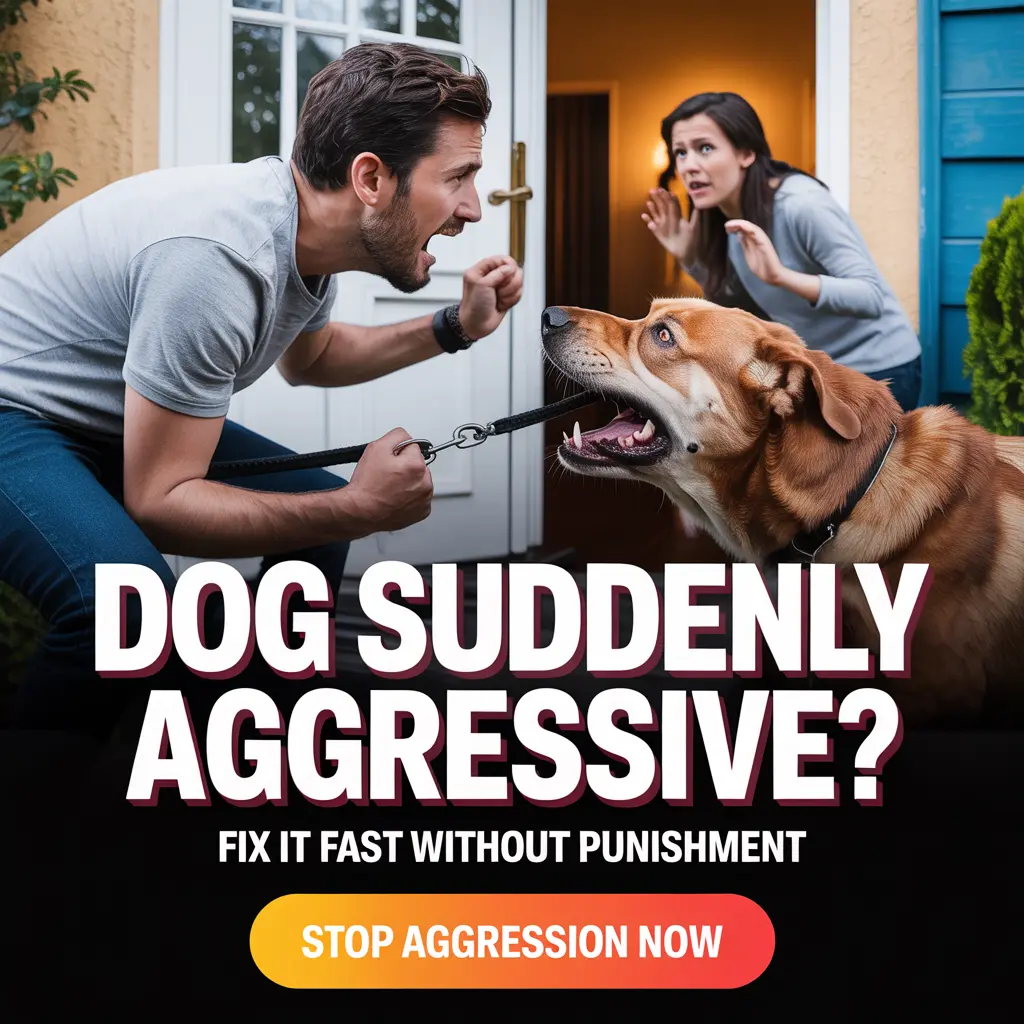
What if your dog’s aggression isn’t the real problem… but just a symptom?
👉 Discover the proven brain-based training system used by a certified professional trainer to fix behaviour at the ROOT — not just temporarily.
🔥 Inside This Powerful Training System:
- ✔️ Unlock your dog’s “hidden intelligence” to eliminate aggression naturally
- ✔️ Fix growling, biting, barking & reactivity at the root cause
- ✔️ Use 100% force-free, gentle methods (no shouting, no punishment)
- ✔️ Step-by-step training anyone can follow — even beginners
- ✔️ 21+ brain games that calm, focus & transform behaviour fast
- ✔️ Works for any breed, any age, any behaviour problem
💡 This system has already helped thousands of dog owners turn aggressive dogs into calm, obedient companions.
👉 Give Your Dog The Training They Actually Need
Click Here To Access Brain Training For Dogs Now
⏳ Don’t wait… behaviour problems only get worse over time. Start fixing it today.
Conclusion
Sudden changes in your pet need a calm and structured response. You have the power to improve your bond by finding the cause of these outbursts.
Keep yourself safe by watching for dog aggression warning signs early. Catching these signs early helps you stop a dangerous situation before it starts.
Consistency is key. Use positive reinforcement dog training to build trust and clear communication with your pet.
Mental stimulation is crucial for emotional stability. Programs like brain training for dogs by Adrienne Farricelli help redirect nervous energy into useful tasks.
Work with your vet to check for physical pain or health issues. A healthy dog is usually calmer and more predictable.
Be patient as you start these new routines. Your effort creates a safe space for your dog to thrive and feel secure again.
Why Is My Dog Suddenly Aggressive? Causes, Warning Signs & What to Do Now
Understanding Why My Dog Is Suddenly Aggressive
When your dog suddenly becomes aggressive, it’s scary and sad. Aggression is a way for dogs to communicate, not a flaw. There’s usually a reason, like physical, emotional, or environmental issues.
### Distinguishing Between Medical and Behavioural Issues
First, check if your dog’s aggression is due to health problems. Sudden aggression often stems from physical issues. Behavioural problems usually develop over time or in response to specific stimuli.
### The Importance of Professional Assessment
Don’t try to figure out your dog’s behaviour by yourself. A vet can check for health issues. If it’s not a health problem, a certified animal behaviourist or trainer can help.
Recognising Warning Signs and Body Language
To avoid attacks, learn to read your dog’s warning signs. Dogs rarely bite without showing signs first.
### Subtle Signals Before the Snap
Watch for signs like lip licking, yawning, or the “whale eye.” A hard stare or sudden freezing can also mean trouble. If your dog stiffens or focuses too much, back away slowly.
### Interpreting Posture and Vocalisations
It’s important to know the difference between aggressive and defensive postures. An aggressive dog may look bigger, while a fearful dog will cower. Both are dangerous, but for different reasons.
Medical Causes: Pain, Illness, and Discomfort
Pain is a common reason for sudden aggression in dogs. When in pain, dogs may bite to protect themselves.
### How Hidden Pain Triggers Sudden Outbursts. Pain can be hard to spot in dogs. A simple touch to a sore spot can cause a snap. If your dog is suddenly grumpy, it might be in pain.
### Common Health Conditions Linked to Aggression
Conditions like osteoarthritis or hip dysplasia can change a dog’s mood. Senior dogs may also become irritable due to cognitive issues. Even dental problems can make a dog more aggressive.
Behavioural Triggers: Fear, Anxiety, and Environmental Stress
If your dog’s aggression isn’t due to health issues, look at their environment. Fearful aggression often happens when a dog feels trapped or overwhelmed.
### The Impact of Sudden Environmental Changes
Dogs prefer routine. Changes like a new home or a new baby can stress them out. This stress can lead to sudden outbursts.
### Fear-Based Aggression Toward Strangers and Family
Aggression towards strangers or family members often stems from fear. A traumatic event can make a dog fear their handlers.
### Managing Separation Anxiety and Overstimulation
High anxiety, like separation anxiety, can make a dog more aggressive. Too much stimulation, like intense play, can also cause aggression.
Resource Guarding and Territorial Aggression
Aggression can be about protecting what a dog values. This includes territorial aggression or resource guarding.
### Why Dogs Guard Food, Toys, and Spaces
Resource guarding is an instinct. But when it leads to aggression, it’s a serious issue. Dogs guard what they fear will be taken away.
### Identifying Territorial Triggers in the Home. Territorial aggression often happens when people or animals approach the home. If your dog starts barking at the fence, they’re showing territorial behaviour.
### Preventing Escalation in Multi-Pet Households
In homes with multiple pets, tension can arise. Make sure each pet has a safe space and manage resources to prevent competition.
Immediate Safety Steps When Aggression Occurs
When aggression happens, your goal is to de-escalate the situation. How you react can make things better or worse.
### How to De-escalate a Dangerous Situation
Stay calm. Avoid shouting or moving quickly, as it can be seen as a threat. Instead, stand still or back away slowly.
### Protecting Yourself and Your Family Members
If a dog is aggressive, use a barrier like a baby gate. Never grab the dog’s collar during an outburst, as it can lead to redirected aggression.
### Mistakes to Avoid During an Aggressive Episode Punishing a dog for growling is dangerous. It can teach them to bite without warning. Avoid hitting, pinning, or “alpha rolling” your dog, as it increases fear and aggression.
Training and Management Strategies
Fixing dog behaviour problems takes a structured approach to training and mental wellness.
### Implementing Positive Reinforcement Dog Training. Positive reinforcement is the best way to treat aggression. Reward calm behaviour and teach alternative responses to triggers. This builds confidence and changes their emotional state.
### Utilising Brain Training for Dogs by Adrienne Farricelli
Mental games can reduce aggression as much as physical exercise. Adrienne Farricelli’s Brain Training for Dogs program offers games to increase intelligence and impulse control.
### Establishing Calming Routines for Anxious Dogs
Predictability reduces stress. Set routines for feeding, walking, and training. Use calming aids like pheromone diffusers or white noise machines.
### Effective Socialisation Tips for Behavioural Improvement
Socialisation is important for all dogs. For adults, start with controlled exposure at a safe distance. Gradually desensitise your dog to triggers to reduce aggression.
Tailoring Approaches for Puppies, Adults, and Seniors
The age of your pet affects why they might become aggressive suddenly.
### Developmental Considerations for Puppies
Puppies may seem aggressive due to play-biting or a lack of bite inhibition. Address guarding or snapping early to prevent lifelong habits. Early socialisation and positive reinforcement training are key.
### Addressing Established Habits in Adult Dogs
Adult dogs may have learned aggression as a behaviour. Be consistent and patient. Changing a deeply ingrained emotional response takes time and effort.
### Special Care for Senior Dogs with Cognitive Decline
For seniors, aggression is often a sign of medical or cognitive issues. Provide a quiet environment, easy access to resources, and medical care for pain. Understanding their aggression as a symptom of aging helps manage their final years with empathy.


Thắng 200 củ ở trang khác bị giam tiền, qua 98WIN làm lại trúng 500 củ rút cái rẹt, uy tín tạo nên thương hiệu.